Fort Worth, TX · ramen and pho shop
Ramen and pho shop equipment costs Fort Worth
Opening a ramen and pho shop in Fort Worth requires careful planning around equipment and buildout costs. The equipment decisions you make will directly impact your operational efficiency, customer experience, and long-term profitability. Fort Worth's restaurant market presents unique opportunities and challenges that affect how you approach your equipment budget and buildout strategy.
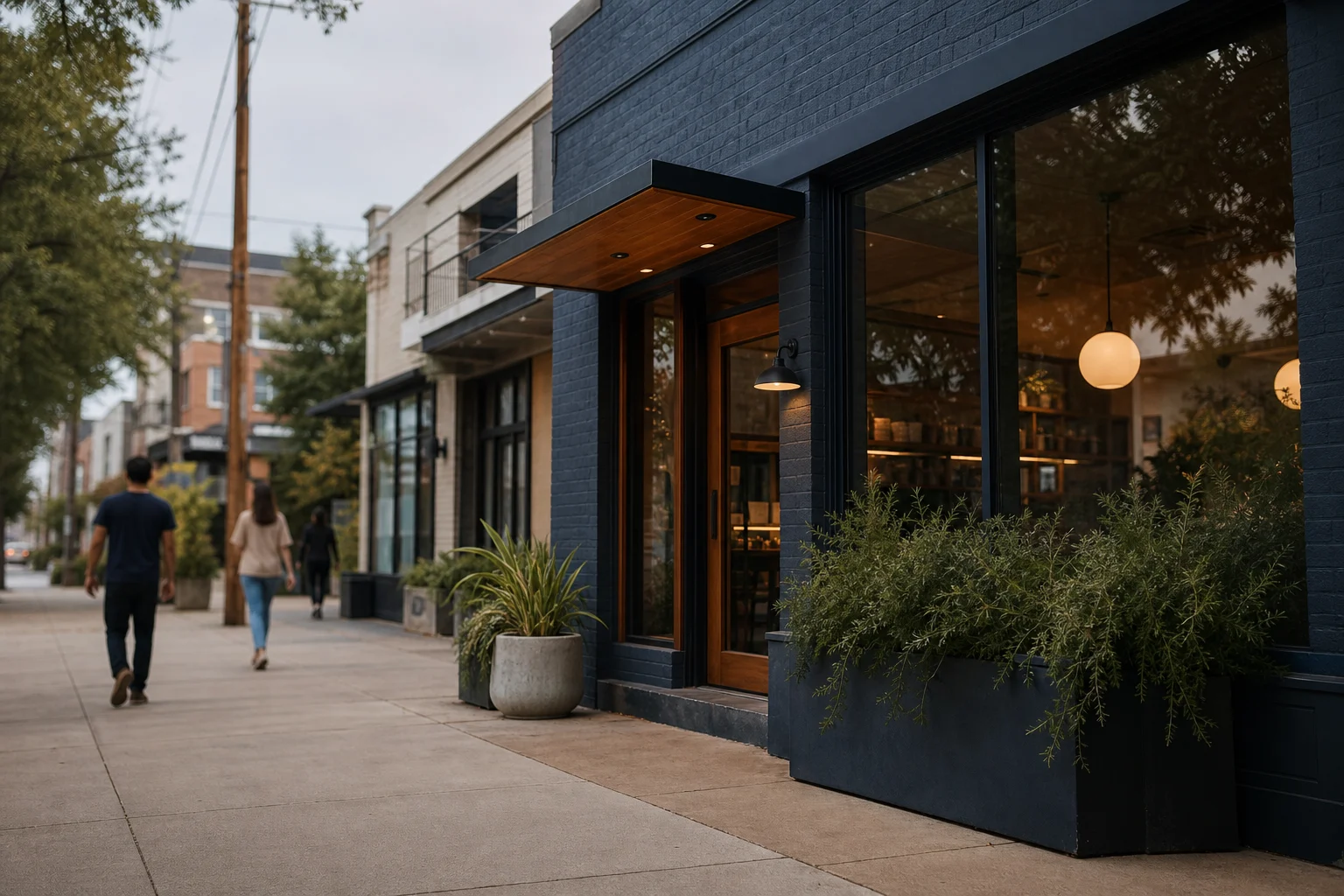
What equipment do you need to open a ramen and pho shop in Fort Worth?
The core equipment for a ramen and pho shop typically includes specialized cooking stations, storage solutions, and service equipment. For ramen, you'll need high-quality noodle cookers, broth simmering systems, and temperature-controlled holding stations. Pho operations require large stockpots, specialized slicing equipment, and precise temperature control for broth preparation. Both cuisines demand robust refrigeration systems to maintain ingredient freshness and safety standards.
Your equipment list should also account for point-of-sale systems, dishwashing stations, and specialized utensils that handle the unique textures and temperatures of these noodle dishes. The equipment configuration will vary based on your menu complexity, service style, and kitchen layout. Fort Worth's competitive dining scene means your equipment choices directly impact your ability to deliver consistent quality during peak hours.
Buildout cost categories
Plumbing and electrical
Plumbing and electrical work represents a significant portion of your buildout budget. Ramen and pho shops require specialized plumbing for noodle cooking stations, dishwashing systems, and potentially specialized water filtration for broth preparation. Electrical needs include dedicated circuits for cooking equipment, refrigeration, and POS systems. Fort Worth's building codes may have specific requirements for commercial kitchens, particularly regarding grease traps and exhaust systems.
HVAC and ventilation
Proper ventilation is non-negotiable for any ramen and pho shop. The steam and aromas from simmering broths require commercial-grade exhaust systems that meet Fort Worth's environmental regulations. Your HVAC system must handle both kitchen heat load and dining area comfort, which can be challenging in Fort Worth's variable climate. Energy-efficient systems may have higher upfront costs but can provide long-term savings on utility bills.
Flooring and finishes
Commercial kitchen flooring must withstand heavy foot traffic, spills, and frequent cleaning. Slip-resistant, easy-to-clean surfaces are essential for safety and sanitation. Wall finishes should be durable, moisture-resistant, and easy to sanitize. The right flooring and finishes protect your investment while maintaining a clean, professional appearance that appeals to Fort Worth diners.
Permits-driven items
Building permits in Fort Worth govern many aspects of your equipment installation and buildout. You'll need to verify requirements for grease traps, fire suppression systems, and accessibility features. Health department permits will dictate specific equipment standards for food preparation and storage. Always confirm current requirements with Fort Worth's permitting authorities before finalizing your equipment purchases.
Furniture and signage
Your dining area furniture and exterior signage contribute to your brand identity and customer experience. In Fort Worth's competitive market, thoughtful design can differentiate your ramen and pho shop. Consider how furniture choices impact seating capacity and customer flow, especially in popular neighborhoods like Sundance Square or the Cultural District.
Equipment line items to validate in Fort Worth
When planning your equipment budget, prioritize items that directly impact food quality and operational efficiency. High-quality noodle cookers and broth simmering systems should be at the top of your list, as they directly affect the taste and consistency of your signature dishes. Refrigeration systems that maintain precise temperatures are critical for food safety and ingredient freshness.
Consider the energy efficiency of your equipment, as Fort Worth's utility costs can impact your operational expenses. Equipment with smart temperature controls and energy-saving features may have higher upfront costs but provide long-term savings. Your equipment choices should also align with your menu offerings and service style - whether you're focusing on quick-service ramen or sit-down pho dining experiences.
How established operators in Fort Worth configure their kitchens
Local operators like Hanabi Ramen & Izakaya in the Cultural District have demonstrated successful equipment configurations that balance efficiency and customer experience. Their kitchen setup likely prioritizes workflow optimization, with cooking stations arranged to minimize movement during peak service times. The 4.5-star rating from 2,151 reviews suggests they've mastered the equipment choices that deliver consistent quality.
Customer reviews highlight the importance of staff efficiency and order fulfillment speed. This suggests their equipment choices support quick service without compromising quality. Many reviews mention exceptional staff performance during rush hours, indicating well-designed kitchen layouts and appropriate equipment that enables smooth operations even under pressure.
Used vs. new vs. lease
Equipment purchasing decisions require careful consideration of your budget, timeline, and long-term goals. New equipment offers the latest technology and warranty protection but comes with higher upfront costs. Used equipment can provide significant savings but may require more maintenance and have a shorter lifespan. Leasing options spread costs over time but may result in higher total expenditures.
Fort Worth's restaurant equipment market includes both new and used options. Consider the total cost of ownership, including maintenance, repairs, and energy efficiency. For mission-critical equipment, new purchases may provide better reliability. For less essential items, used or leased options could be more cost-effective, especially when starting with limited capital.
Buildout timeline
Your buildout timeline will depend on several factors, including permitting processes, contractor availability, and equipment delivery schedules. Fort Worth's construction season and local events can impact timeline estimates. Allow extra time for unexpected delays, particularly when working with specialized equipment installations.
Permitting in Fort Worth can take several weeks, so start this process early in your planning. Equipment delivery times vary by manufacturer and may be affected by supply chain factors. Coordinating equipment installation with buildout completion requires careful scheduling to minimize downtime.
Common buildout overruns
Many ramen and pho shop owners experience budget overruns during buildout. Common issues include unexpected structural repairs, changes in equipment specifications, and delays in permitting. Fort Worth's older buildings, particularly in historic neighborhoods like the Stockyards, may require additional work to meet modern kitchen standards.
Utility hookups, especially for specialized cooking equipment, can uncover unforeseen challenges. Changes in design or layout during construction often lead to cost increases. Building contingency funds into your budget can help manage these unexpected expenses without compromising your opening timeline.
| Neighborhood | Locavisor score | Rent band | Local operator signal | Founder validation check |
|---|---|---|---|---|
| Berry Street / TCU adjacent | 6.1/10 | $25-$85/sqft/yr NNN | No direct operator listed | Check utility capacity, ventilation, plumbing, storage, and fixture layout. |
| Stockyards | 6.1/10 | $25-$85/sqft/yr NNN | No direct operator listed | Check utility capacity, ventilation, plumbing, storage, and fixture layout. |
| TCU Campus / University Place | 6.1/10 | $25-$85/sqft/yr NNN | No direct operator listed | Check utility capacity, ventilation, plumbing, storage, and fixture layout. |
| Sundance Square | 6.0/10 | $25-$85/sqft/yr NNN | No direct operator listed | Check utility capacity, ventilation, plumbing, storage, and fixture layout. |
| Cultural District | 5.6/10 | $25-$85/sqft/yr NNN | Hanabi Ramen & Izakaya | Check utility capacity, ventilation, plumbing, storage, and fixture layout. |
FAQ
What are the best neighborhoods in Fort Worth for a ramen and pho shop?
The top neighborhoods for ramen and pho shops in Fort Worth, according to Locavisor scoring, include Berry Street/TCU adjacent (6.1/10), Stockyards (6.1/10), TCU Campus/University Place (6.1/10), Sundance Square (6.0/10), and Cultural District (5.6/10). These areas offer varying rent bands from $25-$85/sqft/yr NNN and provide different customer demographics and competition levels.
How does equipment configuration affect customer experience in Fort Worth?
Equipment choices directly impact service speed and food quality, which are key factors in Fort Worth's competitive dining market. Efficient kitchen layouts and reliable equipment help maintain consistent quality during peak hours, contributing to positive customer reviews and repeat business.
What permits are required for a ramen and pho shop in Fort Worth?
You'll need building permits for construction, health department permits for food service operations, and potentially specialized permits for grease traps and exhaust systems. Always verify current requirements with Fort Worth's permitting authorities, as regulations may change.
Last reviewed: 2026-05-30
Sources: U.S. Census Bureau ACS, LEHD LODES, Google Places, OpenStreetMap, Locavisor neighborhood scoring.
Methodology: Locavisor scores neighborhoods across demand, competition fit, rent fit, accessibility, and customer match. Scores reflect a snapshot of recent data and should be combined with on-the-ground research before lease decisions.
Disclaimer: This article provides informational content only and does not constitute legal, financial, accounting, or real-estate advice. Verify lease terms, licensing, local regulations, costs, and professional requirements with qualified local professionals before making business decisions.
Free preview shows top 3 neighborhoods. Full $9.99 report covers all 10 areas with personalized scoring + 90-day check-ins.
Informational only. Verify lease, licensing, local regulations, costs, and professional requirements with qualified local professionals.