Los Angeles, CA · ramen and pho shop
Ramen and pho shop equipment costs Los Angeles
Opening a ramen and pho shop in Los Angeles requires careful planning of equipment and buildout to ensure operational efficiency and cost-effectiveness. The right equipment setup can significantly impact your ability to deliver authentic flavors while maintaining profitability in a competitive market. Los Angeles offers several promising locations for this type of establishment, each with its own considerations for equipment needs and buildout requirements.
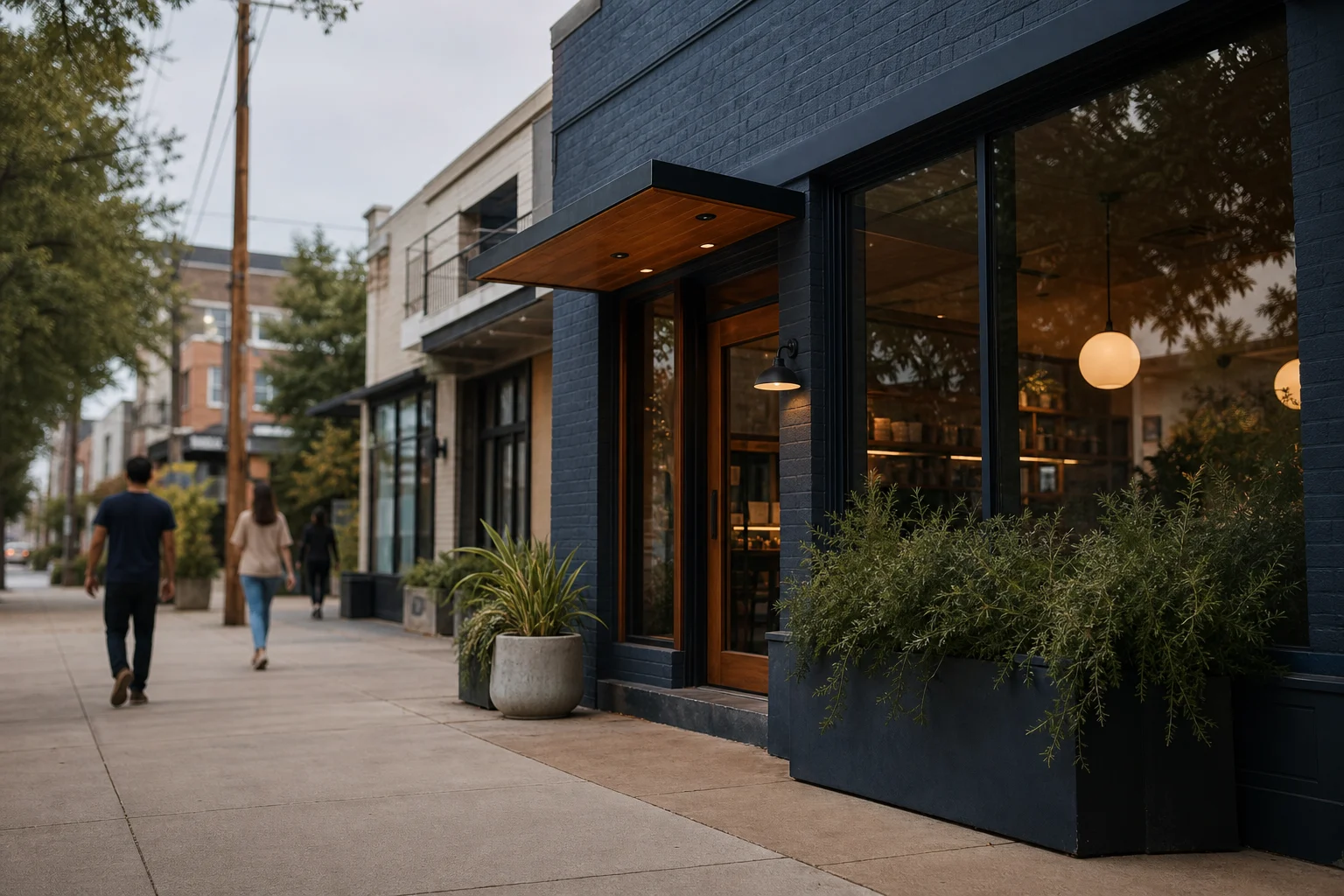
Equipment categories by launch format
When planning your ramen and pho shop equipment in Los Angeles, the format you choose will dictate your equipment needs. A full-service restaurant requires more extensive equipment than a fast-casual or counter-service model. For ramen preparation, you'll need specialized equipment including ramen boilers, noodle machines, and broth simmering systems. Pho operations require large stock pots for broth preparation, rice cookers, and specialized slicing equipment for meats and vegetables.
Your kitchen layout should be designed to optimize workflow between different stations. Ramen stations need to be positioned near boiling water access, while pho stations require space for broth preparation and assembly. Consider the volume you expect to serve during peak hours to determine the capacity of each piece of equipment. Los Angeles markets, particularly in areas like Downtown LA with high office density, can generate significant lunch traffic that your equipment must be able to handle efficiently.
Buildout assumptions that change the budget
Buildout requirements vary significantly across Los Angeles neighborhoods, directly impacting your equipment planning budget. Downtown LA (DTLA) (6.5/10) presents a mixed market temperature with medium competition density and low rent levels. The lunch-daytime office density is maxed out — roughly 10,500 weekday workers within 800m — and evening residential demand is strong. This high traffic volume may justify investing in more robust equipment to handle the rush, though the lower rent levels provide some budget flexibility.
Burbank (6.3/10) offers a different scenario with its media-studio workforce (Disney, Warner Bros) driving strong lunch demand. With office_index near ceiling, Burbank presents similar equipment demands to DTLA during lunch hours. Two direct ramen competitors — Kopan Sushi & Ramen (4.2★, 1,400 reviews) and Silverlake Ramen Burbank (3.9★, 248 reviews) — show the corridor accepts ramen but neither dominates. Rent is roughly $30-50/sqft NNN, in line with your budget, allowing for moderate equipment investment.
Culver City (6.2/10) presents the most challenging equipment budget scenario with strong office density (Sony, Apple, Amazon studios) and good walkability near the Expo Line station. Two direct competitors — IPPUDO Culver City (4.6★, 76 reviews) and Phovorite Vietnamese Kitchen (4.1★, 191 reviews) — show the area accepts both ramen and pho. Rent is higher here at roughly $45-70/sqft NNN, pushing the budget and potentially requiring more economical equipment choices or a phased equipment rollout strategy.
New vs used equipment tradeoffs
Choosing between new and used equipment represents a critical decision point for your ramen and pho shop in Los Angeles. New equipment offers the advantage of warranties, energy efficiency, and compliance with current health codes, but comes with a higher upfront cost. Used equipment can provide significant cost savings, especially in high-rent areas like Culver City, but requires careful inspection and may have a shorter lifespan.
In areas with lower rent levels like DTLA, investing in new equipment might be more feasible, providing reliability during the critical startup phase. The medium competition density in these areas means you need to ensure your equipment can maintain consistent quality to stand out. In contrast, Burbank's established ramen scene might allow for more flexibility with used equipment, particularly if you're entering with a unique concept that doesn't require the latest technology.
Consider the total cost of ownership when making this decision. Energy-efficient new equipment might save money in the long run, especially in Los Angeles where utility costs can be significant. However, the initial investment might strain your budget, particularly in higher-rent areas. Your equipment choices should align with your business concept and the expectations of your target customers in each specific neighborhood.
What to inspect in a second-generation space
When evaluating a second-generation space for your ramen and pho shop, thorough inspection of existing equipment and buildout elements can save significant costs. Look for compatible equipment that can be repurposed for your specific needs. Ramen-specific equipment like broth simmering systems or noodle preparation stations might be rare, but basic kitchen infrastructure could potentially be adapted.
In Los Angeles's competitive restaurant market, finding a space with existing permits can accelerate your timeline. Verify that the existing hood system, grease traps, and plumbing can accommodate your specific equipment requirements. The high office density in areas like DTLA means you'll need equipment that can handle peak lunch rushes, so assess whether existing systems can scale to meet demand.
Pay special attention to the condition of gas lines, electrical systems, and ventilation, as these are critical for both ramen and pho operations. The media workforce in Burbank might expect certain service standards that require reliable equipment, while the diverse population in Culver City might necessitate more flexible kitchen capabilities. A thorough inspection before signing a lease can prevent costly surprises and help you make informed equipment decisions.
FAQ
What equipment do I need for A Ramen and Pho Shop in Los Angeles?
A ramen and pho shop in Los Angeles requires specialized equipment across several categories. For ramen preparation, you'll need ramen boilers for cooking noodles, broth simmering systems for developing rich flavors, and noodle machines if making fresh noodles. Pho operations require large stock pots for broth preparation, rice cookers, and specialized equipment for slicing meats and vegetables.
Your kitchen layout should include separate stations for each cuisine type to maintain efficiency and prevent cross-contamination. Essential equipment includes commercial ranges, woks, steamers, and refrigeration systems suitable for high-volume operations. Ventilation systems must be robust enough to handle the steam and aromas from both ramen and pho preparation.
Consider the specific demands of your chosen Los Angeles location when selecting equipment. Areas with high office density like DTLA require equipment that can handle peak lunch rushes, while neighborhoods with strong evening residential demand might need different capacity considerations. Your equipment should align with your concept, whether you're operating a full-service restaurant or a more streamlined fast-casual model, and should be capable of maintaining consistent quality in Los Angeles's competitive dining market.
Last reviewed: 2026-05-08
Sources: U.S. Census Bureau ACS, LEHD LODES, Google Places, OpenStreetMap, Locavisor neighborhood scoring.
Methodology: Locavisor scores neighborhoods across demand, competition fit, rent fit, accessibility, and customer match. Scores reflect a snapshot of recent data and should be combined with on-the-ground research before lease decisions.
Disclaimer: This article provides informational content only and does not constitute legal, financial, accounting, or real-estate advice. Verify lease terms, licensing, local regulations, costs, and professional requirements with qualified local professionals before making business decisions.
Free preview shows top 3 neighborhoods. Full $9.99 report covers all 10 areas with personalized scoring + 90-day check-ins.
Informational only. Verify lease, licensing, local regulations, costs, and professional requirements with qualified local professionals.