Miami, FL · ramen and pho shop
Ramen and pho shop equipment costs Miami
Opening a ramen and pho shop in Miami requires careful equipment planning across different neighborhoods. Locavisor neighborhood scoring identifies MiMo / Upper Eastside as the best fit with a 5.6/10 score, followed by Hialeah at 5.3/10 and Doral at 4.8/10. Each area presents different equipment considerations based on rent levels, market temperature, and competition density.
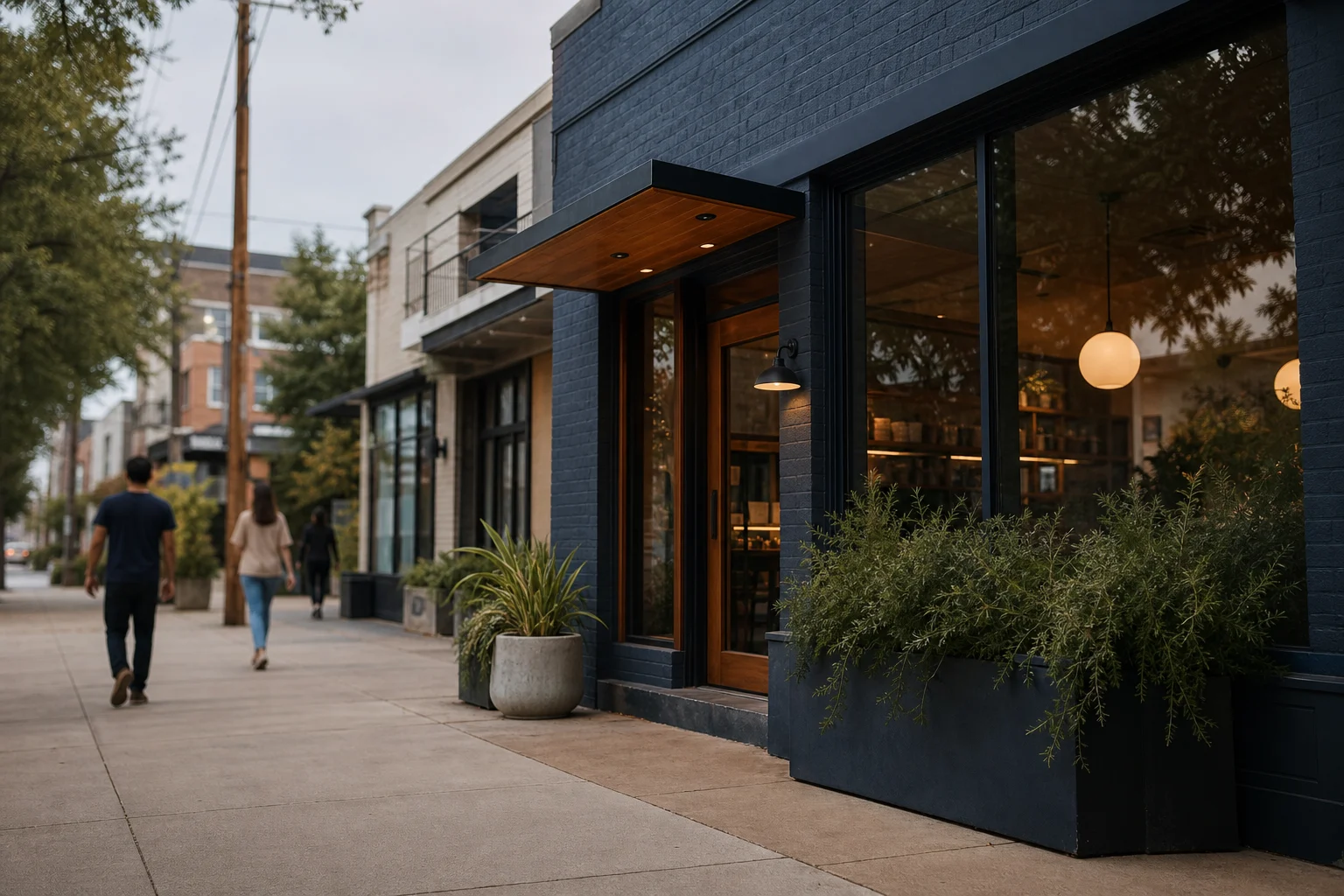
Equipment categories by launch format
Your ramen and pho shop equipment needs vary significantly based on your chosen format. Full-service operations require more substantial equipment investments than quick-service models. The MiMo / Upper Eastside area's medium rent level of $45-70/sqft NNN influences equipment budget decisions differently than Doral's premium rent tier of $65-95/sqft NNN.
Ramen-specific equipment includes specialized noodle machines, broth simmering systems, and temperature-controlled noodle storage. Pho operations need large-volume stock pots, specialized meat slicers, and bamboo steamers. Both cuisines require robust ventilation systems due to intense cooking methods. The mixed market temperature in Miami means your equipment must handle fluctuating customer volumes efficiently.
Quick-service formats prioritize speed and space efficiency. Compact noodle cookers, multi-purpose broths, and streamlined prep stations reduce both initial investment and ongoing operational costs. In Hialeah, where office density is moderate, your equipment should optimize for residential traffic patterns rather than corporate lunch rushes.
Buildout assumptions that change the budget
Buildout requirements directly impact your equipment budget. The MiMo / Upper Eastside's strong walkability and office-worker lunch base suggest different equipment placement than Hialeah's dense residential area. Equipment layout must accommodate peak service times—MiMo scores well for the evening daypart, supporting dual lunch+dinner peaks.
Ventilation systems represent one of your largest buildout expenses. Ramen's broth simmering and pho's boiling broth create substantial steam and odor requiring commercial-grade exhaust hoods. The medium competition density in Miami means you can't rely on existing infrastructure in most spaces. Budget for custom hood installations that meet Miami-Dade County health codes.
Plumbing requirements differ between ramen and pho operations. Pho needs multiple sink stations for meat preparation and vegetable washing, while ramen requires specialized noodle draining systems. In Doral's premium rent environment, negotiating buildout allowances becomes crucial. The area's Downtown Doral and CityPlace Doral anchors create a strong daytime population base but increase your initial capital requirements.
New vs used equipment tradeoffs
New equipment offers reliability and warranty protection but represents a significant upfront investment. In Miami's mixed market temperature, having dependable equipment prevents costly service interruptions. The zero direct ramen/pho competitors in all three areas mean you're establishing category norms—new equipment sets those standards from day one.
Used equipment reduces initial costs but carries higher maintenance risks. In Hialeah, where transit access is strong via the Hialeah train station, consistent equipment performance matters for maintaining customer flow. The 5.3/10 score suggests careful equipment selection is essential to overcome the moderate office density.
Refurbished equipment presents a middle ground. Quality refurbished noodle cookers and broth systems can provide 70-80% of new equipment functionality at 40-60% of the cost. In Doral's premium rent environment, this approach helps balance your budget while maintaining operational standards. The area's lack of direct ramen/pho competitors means you have flexibility in establishing equipment quality benchmarks.
What to inspect in a second-generation space
When evaluating existing spaces, equipment infrastructure assessment becomes critical. The MiMo / Upper Eastside's Biscayne Blvd corridor offers strong walkability but may have limited existing restaurant infrastructure. Verify gas line capacities, electrical loads, and ventilation hood compatibility before committing to a lease.
Plumbing infrastructure often requires the most attention. Pho operations need substantial hot water capacity and floor drains for noodle preparation. Ramen requires specialized gas connections for large-volume broth simmering. In Hialeah's dense residential base, equipment placement must consider noise restrictions and exhaust requirements.
Floor conditions impact equipment installation costs. Existing tile may need removal for proper drainage systems. The zero ramen/pho competitors in all three areas mean most spaces weren't designed for these specific cuisines. Budget for potential floor modifications to support heavy equipment and proper drainage. In Doral's premium rent environment, negotiating buildout credits becomes essential when significant modifications are required.
FAQ
What equipment do I need for A Ramen and Pho Shop in Miami?
Your ramen and pho shop requires specialized equipment tailored to both cuisines. Ramen operations need noodle machines, broth simmering systems, and temperature-controlled storage. Pho requires large stock pots, meat slicers, and bamboo steamers. Both cuisines need robust ventilation systems due to intensive cooking methods. Equipment requirements vary based on your chosen format—full-service operations need more substantial investments than quick-service models. The MiMo / Upper Eastside area's medium rent level influences equipment budget decisions differently than Doral's premium rent tier. In all three areas, the lack of direct ramen/pho competitors means you're establishing category norms with your equipment choices.
Last reviewed: 2026-05-08
Sources: U.S. Census Bureau ACS, LEHD LODES, Google Places, OpenStreetMap, Locavisor neighborhood scoring.
Methodology: Locavisor scores neighborhoods across demand, competition fit, rent fit, accessibility, and customer match. Scores reflect a snapshot of recent data and should be combined with on-the-ground research before lease decisions.
Disclaimer: This article provides informational content only and does not constitute legal, financial, accounting, or real-estate advice. Verify lease terms, licensing, local regulations, costs, and professional requirements with qualified local professionals before making business decisions.
Free preview shows top 3 neighborhoods. Full $9.99 report covers all 10 areas with personalized scoring + 90-day check-ins.
Informational only. Verify lease, licensing, local regulations, costs, and professional requirements with qualified local professionals.