Minneapolis, MN · ramen and pho shop
Ramen and pho shop equipment costs Minneapolis
Opening a ramen and pho shop in Minneapolis requires careful planning around equipment and buildout costs. The equipment choices you make will directly impact your operational efficiency, customer experience, and long-term profitability. In a city with a growing food scene and specific neighborhood dynamics, understanding the equipment needs for your ramen and pho shop becomes even more critical. This guide breaks down the essential equipment considerations and buildout factors for a successful ramen and pho shop in Minneapolis.
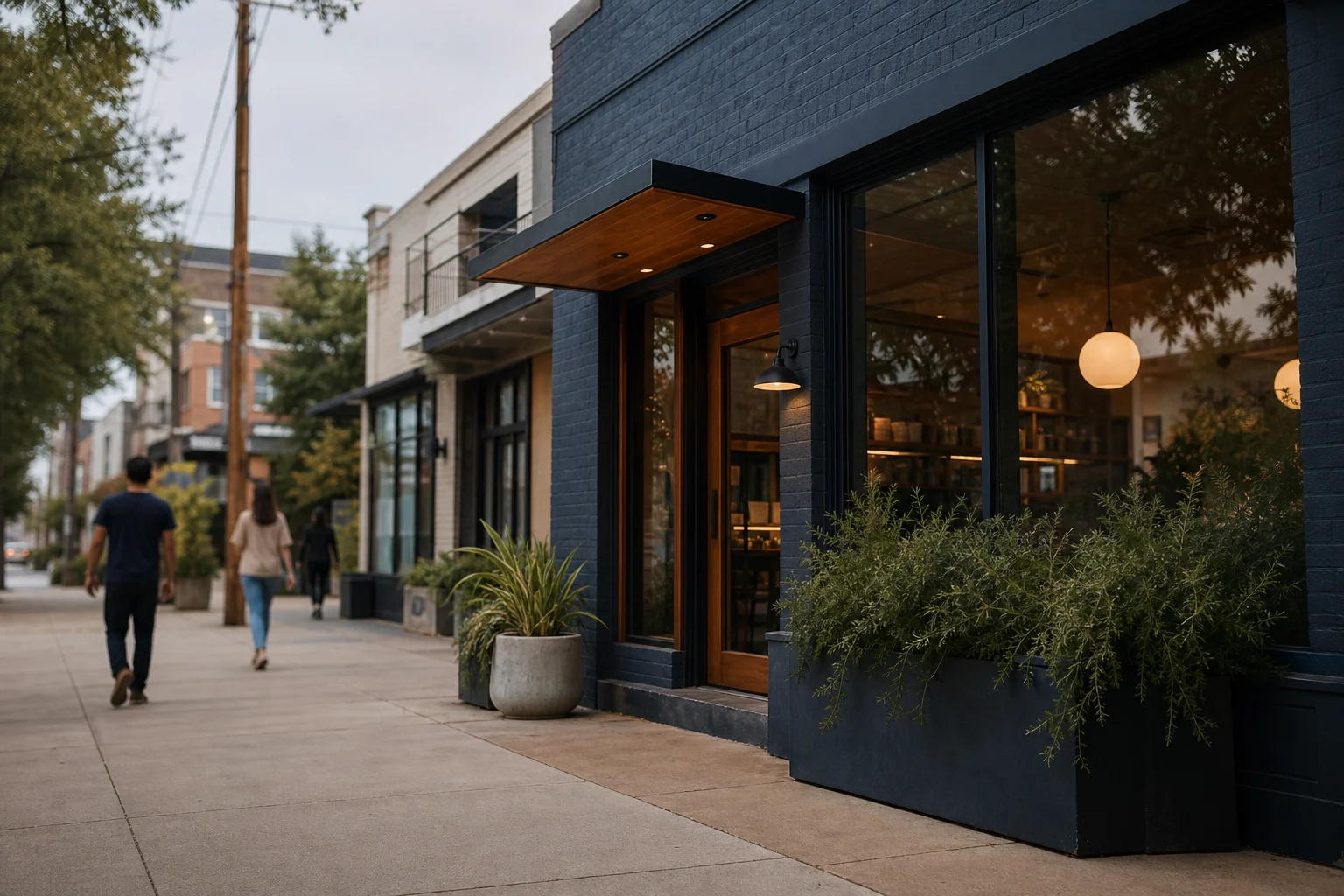
What equipment do you need to open a ramen and pho shop in Minneapolis?
The core equipment for a ramen and pho shop typically includes specialized cooking stations, storage solutions, and service equipment. For ramen, you'll need large stockpots for broth, specialized noodle cookers, and temperature-controlled holding stations. Pho requires similar equipment but with attention to specific broth simmering needs and fresh herb preparation stations. In Minneapolis, where both Pho Mai Dinkytown and Boba X Ramen - Dinkytown operate successfully, the equipment must handle high-volume service during peak hours, especially during University of Minnesota semesters when these areas get extremely crowded.
Your equipment list should start with the essentials:
- Large-volume stockpots and simmering stations for broth preparation
- Noodle cooking and blanching stations
- Temperature-controlled holding cabinets for ingredients
- Specialized cutting stations for fresh herbs and vegetables
- Service counters with temperature control
- Dishwashing and sanitizing equipment
- Storage solutions for dry goods and perishables
The equipment configuration will vary based on your chosen location in Minneapolis. For example, in Dinkytown (overall score 7.0/10 with rent band $13-$33/sqft/yr NNN), you'll need efficient, space-saving equipment due to potentially limited kitchen footprints. The same applies to Stadium Village (overall score 6.8/10 with rent band $13-$33/sqft/yr NNN), where space constraints might influence your equipment choices. Cedar-Riverside (overall score 6.7/10 with rent band $13-$33/sqft/yr NNN) offers slightly different dynamics but still requires efficient kitchen layouts.
Buildout cost categories
Plumbing and electrical
Plumbing and electrical work represents a significant portion of your buildout costs. Ramen and pho shops require substantial water and gas connections for broth preparation, noodle cooking, and dishwashing. In Minneapolis, you'll need to account for:
- High-capacity water lines for stockpot filling and dishwashing
- Gas lines for stovetop and simmering equipment
- Dedicated electrical circuits for refrigeration and cooking equipment
- Grease trap installation for compliance with local regulations
- Backflow prevention devices as required by Minneapolis plumbing codes
The complexity of your plumbing and electrical needs will depend on your specific equipment choices and kitchen layout. In neighborhoods like St. Anthony Main (overall score 6.1/10 with rent band $13-$33/sqft/yr NNN), where commercial spaces may have older infrastructure, you might face additional costs for upgrades to meet modern equipment requirements.
HVAC and ventilation
Proper ventilation is non-negotiable for a ramen and pho shop. The steam from large pots of simmering broth creates significant moisture that can damage equipment and create an uncomfortable environment for staff and customers. Your buildout must include:
- Commercial-grade exhaust hoods over all cooking stations
- Make-up air systems to replace exhausted air
- Humidity control systems to prevent condensation issues
- Filtration systems to manage grease and odors
- Regular maintenance access points for hood cleaning
In Minneapolis, where winters are cold and summers can be humid, your HVAC system needs to handle both temperature control and moisture management effectively. The ventilation requirements will be more stringent in compact spaces like those found in Dinkytown or Stadium Village.
Flooring and finishes
Your flooring and finishes need to withstand the unique demands of a ramen and pho shop. Consider:
- Non-slip, water-resistant flooring in kitchen areas
- Easy-to-clean wall surfaces near cooking stations
- Durable flooring in high-traffic customer areas
- Sound-dampening materials to manage noise in crowded spaces
- Finishes that can handle temperature fluctuations
In neighborhoods like Lake Street / Powderhorn (overall score 5.8/10 with rent band $13-$33/sqft/yr NNN), where customer density can create noise issues, sound-dampening finishes become particularly important. The finishes you choose should also reflect the aesthetic you want to project while meeting practical needs.
Permits-driven items
Your buildout will be shaped by various permits and inspections. Key considerations include:
- Food service permits from the Minnesota Department of Health
- Building permits for structural changes
- Fire safety compliance, including extinguisher placement and emergency exits
- ADA accessibility requirements
- Signage permits for exterior and interior signs
Each of these permit-driven items adds to your buildout timeline and costs. In Minneapolis, the permitting process can vary by neighborhood, so it's essential to understand local requirements early in your planning phase.
Furniture and signage
While not strictly equipment, furniture and signage are integral to your customer experience:
- Customer seating that accommodates both quick service and longer dining
- Service counters designed for efficient order taking and food pickup
- Interior signage that communicates your menu and values
- Exterior signage that attracts passersby in busy Minneapolis neighborhoods
In areas like Dinkytown, where Pho Mai Dinkytown operates with late-night hours until 3am, your seating and service counter design must handle varying customer volumes throughout the day and night.
Equipment line items to validate in Minneapolis
When planning your equipment purchases, focus on items that directly impact your ramen and pho operations:
- Broth simmering systems: Large-volume pots or specialized simmering stations
- Noodle cooking equipment: Boiling stations with temperature control
- Pho-specific tools: Specialized ladles, strainers, and herb preparation stations
- Temperature control: Refrigeration for fresh ingredients and holding cabinets
- Dishware: Ramen bowls, pho bowls, and accompanying utensils
- POS system: Designed for quick service and potentially online ordering
Your equipment choices should align with the service style you plan to offer. If you intend to offer delivery, as many Minneapolis ramen and pho shops do, you'll need packaging equipment and a system for managing online orders efficiently.
How established operators in Minneapolis configure their kitchens
Looking at successful operators provides valuable insights into equipment configuration. Pho Mai Dinkytown, with its 4.3-star rating from 559 reviews, likely has a kitchen setup optimized for both dine-in and takeout service. Their operation, which receives praise for "quick food delivery, generous portions of quality meat and broth in pho," suggests an efficient kitchen layout that balances speed with quality.
Boba X Ramen - Dinkytown, with its 4.5-star rating from 19 reviews, demonstrates that even newer operations can achieve high customer satisfaction through proper equipment placement and workflow design. Their success indicates that thoughtful equipment selection and kitchen organization contribute significantly to customer experience.
Both establishments appear to handle peak demand periods effectively, though customer reviews note that "gets extremely crowded during peak hours/semesters; limited seating creates noise and difficulty finding spots." This suggests that while equipment can optimize kitchen operations, space constraints in popular Minneapolis neighborhoods remain a challenge that equipment alone cannot solve.
Used vs. new vs. lease
Your equipment acquisition strategy will impact both initial costs and long-term flexibility:
- New equipment: Higher upfront costs but longer lifespan and warranty coverage
- Used equipment: Lower initial investment but potential maintenance issues
- Leased equipment: Lower upfront costs with monthly payments, but long-term costs may be higher
In Minneapolis's competitive restaurant market, many operators choose a hybrid approach-investing in critical new equipment while purchasing used items for secondary needs. The decision often comes down to cash flow considerations and the specific requirements of your chosen location.
Buildout timeline
Your buildout timeline will depend on several factors:
- Permit approval speed (can vary significantly by neighborhood)
- Contractor availability in Minneapolis
- Equipment delivery times
- Unforeseen issues discovered during construction
Allow ample time for each phase, especially given Minnesota's weather considerations and potential supply chain delays. Many successful Minneapolis ramen and pho shop owners recommend starting the permitting process at least a variable local timeline before your target opening date.
Common buildout overruns
Several factors commonly lead to budget overruns in ramen and pho shop buildouts:
- Unexpected structural issues discovered during demolition
- Delays in permit approvals
- Equipment delivery problems
- Unforeseen utility upgrades
- Changes in design or scope during construction
Building contingency funds into your budget is essential. Many Minneapolis restaurant owners recommend allocating 15-20% of your buildout budget for unexpected costs, given the city's older building stock and potential for surprises during renovation.
| Neighborhood | Locavisor score | Rent band | Local operator signal | Founder validation check |
|---|---|---|---|---|
| Dinkytown | 7.0/10 | $13-$33/sqft/yr NNN | Pho Mai Dinkytown, Boba X Ramen - Dinkytown | Check utility capacity, ventilation, plumbing, storage, and fixture layout. |
| Stadium Village | 6.8/10 | $13-$33/sqft/yr NNN | No direct operator listed | Check utility capacity, ventilation, plumbing, storage, and fixture layout. |
| Cedar-Riverside | 6.7/10 | $13-$33/sqft/yr NNN | No direct operator listed | Check utility capacity, ventilation, plumbing, storage, and fixture layout. |
| St. Anthony Main | 6.1/10 | $13-$33/sqft/yr NNN | No direct operator listed | Check utility capacity, ventilation, plumbing, storage, and fixture layout. |
| Lake Street / Powderhorn | 5.8/10 | $13-$33/sqft/yr NNN | No direct operator listed | Check utility capacity, ventilation, plumbing, storage, and fixture layout. |
FAQ
What equipment do I need to open a ramen and pho shop in Minneapolis?
You'll need large-volume stockpots for broth, noodle cooking stations, temperature-controlled holding cabinets, specialized cutting stations for fresh herbs, service counters with temperature control, dishwashing equipment, and storage solutions. The specific configuration will depend on your location and service style.
How do Minneapolis neighborhoods affect equipment choices?
Neighborhoods like Dinkytown (overall score 7.0/10 with rent band $13-$33/sqft/yr NNN) and Stadium Village (overall score 6.8/10 with rent band $13-$33/sqft/yr NNN) often have space constraints that require more compact, efficient equipment. Cedar-Riverside (overall score 6.7/10 with rent band $13-$33/sqft/yr NNN) offers different dynamics but still requires efficient kitchen layouts due to customer density.
What are the biggest equipment-related challenges in Minneapolis ramen and pho shops?
Space constraints in popular neighborhoods, managing peak demand during University of Minnesota semesters, and balancing dine-in with takeout operations are common challenges. Equipment must be both efficient and adaptable to varying customer volumes throughout the day and night.
Last reviewed: 2026-05-30
Sources: U.S. Census Bureau ACS, LEHD LODES, Google Places, OpenStreetMap, Locavisor neighborhood scoring.
Methodology: Locavisor scores neighborhoods across demand, competition fit, rent fit, accessibility, and customer match. Scores reflect a snapshot of recent data and should be combined with on-the-ground research before lease decisions.
Disclaimer: This article provides informational content only and does not constitute legal, financial, accounting, or real-estate advice. Verify lease terms, licensing, local regulations, costs, and professional requirements with qualified local professionals before making business decisions.
Free preview shows top 3 neighborhoods. Full $9.99 report covers all 10 areas with personalized scoring + 90-day check-ins.
Informational only. Verify lease, licensing, local regulations, costs, and professional requirements with qualified local professionals.