New York, NY · ramen and pho shop
Ramen and pho shop equipment costs New York
Opening a ramen and pho shop in New York requires careful planning of your equipment needs. The ramen and pho shop equipment costs New York entrepreneurs face depend heavily on location, format, and buildout approach. New York's diverse neighborhoods offer different opportunities and challenges for ramen and pho entrepreneurs, with varying rent levels and competition landscapes that directly impact equipment planning decisions.
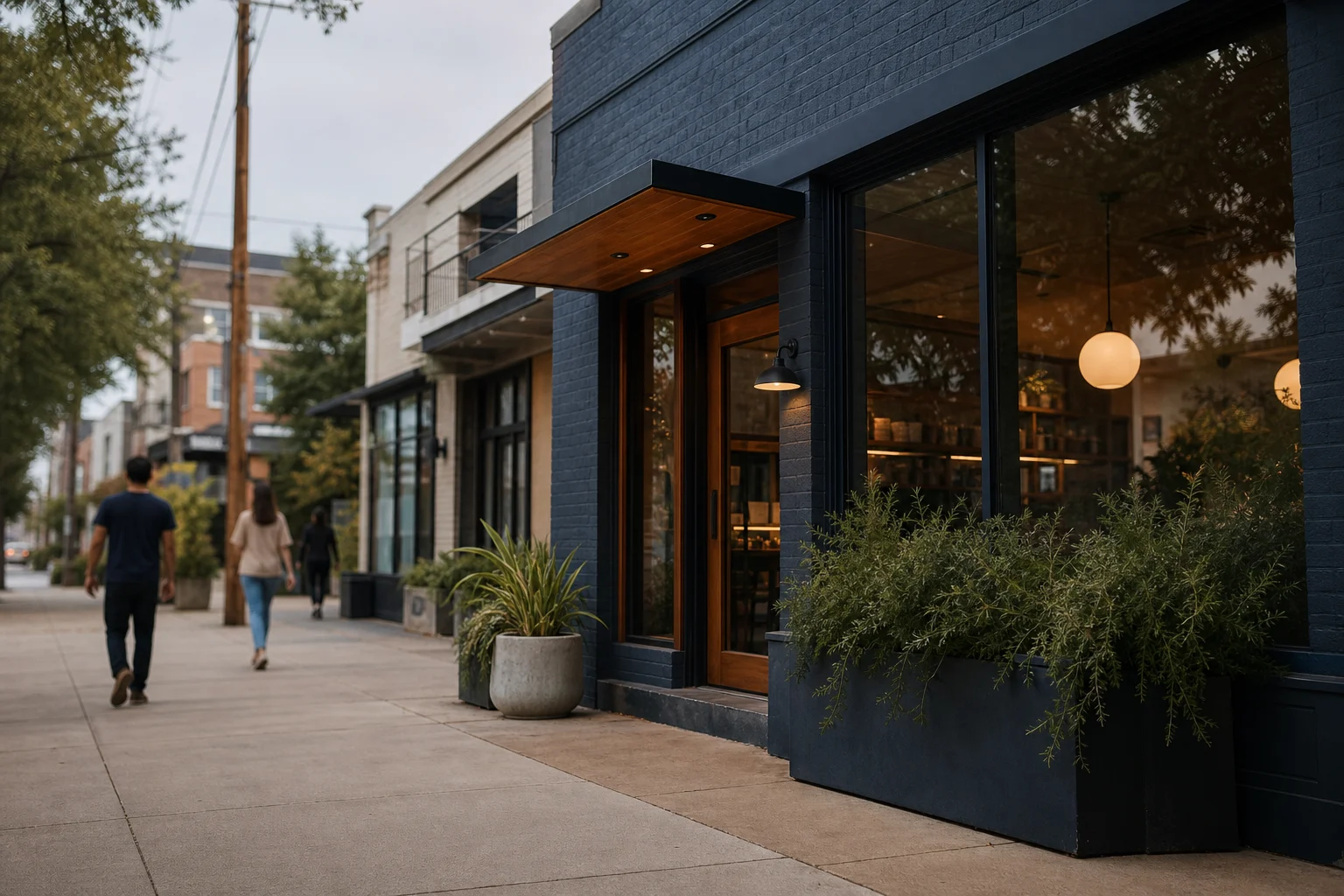
Equipment categories by launch format
Your ramen and pho shop equipment needs will vary significantly based on your chosen format. A quick-service model requires different equipment than a full-service restaurant with dine-in capabilities. For ramen preparation, you'll need specialized equipment including ramen boilers, noodle machines, and broth simmering systems. Pho operations require large stock pots, specialized slicing equipment for meats, and rice preparation systems.
The Harlem area, with its score of 6.4/10, offers strong residential density and transit access but weak office density. This suggests a format focused on evening service might be optimal, requiring equipment that supports high-volume dinner rushes. In contrast, Astoria's perfect competitionFit and rentFit scores indicate a market where existing ramen shops like Tamashii Ramen (4.5★, 637 reviews) and Moriyan Ramen and Curry (4.6★, 37 reviews) have established demand, suggesting a format that can compete directly with these established players.
Sunset Park's position as Brooklyn's second Chinatown on 8th Ave presents an opportunity to leverage cultural authenticity. This might influence equipment choices toward traditional preparation methods that showcase the craft of ramen and pho making. The rent level in Sunset Park, at roughly $20-35/sqft NNN, is the most affordable of all areas, potentially allowing for more comprehensive equipment investment.
Buildout assumptions that change the budget
Your buildout approach significantly impacts equipment needs and associated costs. A ground-up construction allows for optimal equipment placement but requires substantial investment. A second-generation space might come with existing equipment that could be repurposed, potentially reducing initial costs but potentially limiting operational efficiency.
The rent level in your chosen neighborhood directly affects your buildout budget. Harlem offers a low rent level, which might allow for more comprehensive equipment investment. Astoria's rent of roughly $30-50/sqft NNN represents a middle ground, while Sunset Park's $20-35/sqft NNN provides the most affordable option. These rent differences translate to different equipment budget allocations across neighborhoods.
Market temperature also plays a role in buildout planning. The mixed market temperature in New York suggests a cautious approach to equipment investment. In areas with higher competition density like Astoria, you might need more specialized equipment to differentiate your offering. In areas with zero direct ramen/pho competitors like Harlem and Sunset Park, you have more flexibility to establish your own operational standards and equipment requirements.
New vs used equipment tradeoffs
Choosing between new and used equipment represents a critical decision with budget implications. New equipment offers reliability, warranty protection, and energy efficiency but comes with a higher upfront cost. Used equipment provides immediate cost savings but may require more maintenance and lack warranty coverage.
The competition density in your chosen area influences this decision. In Astoria, with two existing ramen shops, investing in new, high-quality equipment might help differentiate your business and signal commitment to quality. In Harlem and Sunset Park, where there are zero direct ramen/pho competitors, you might have more flexibility to balance new and used equipment based on budget constraints.
The market temperature of mixed suggests a balanced approach. Consider investing in critical, high-use equipment new while potentially opting for used equipment for less critical functions. The rent level in your chosen neighborhood also affects this decision. Lower rent areas like Sunset Park might allow for more new equipment purchases, while higher rent areas like Astoria might necessitate more used equipment to manage overall startup costs.
What to inspect in a second-generation space
When considering a second-generation space, thorough equipment inspection is essential. Evaluate the condition of existing cooking equipment, particularly specialized items like ramen boilers or pho stock pots. Check for signs of wear, energy efficiency, and compliance with current health codes.
Assess whether the existing equipment layout supports your operational flow. In areas like Harlem with strong evening daypart performance, ensure your equipment can handle high-volume dinner rushes. In Astoria with its strong walkability and transit access (N/W line), consider whether existing equipment supports a mixed lunch-dinner model.
Look beyond the visible equipment to assess infrastructure capacity. Verify that gas lines, electrical systems, and ventilation can support your specific equipment needs. The 40-minute transit ride to Midtown from Sunset Park might influence equipment choices that optimize labor efficiency, as you'll need to maximize productivity during operating hours.
FAQ
What equipment do I need for A Ramen and Pho Shop in New York?
Essential equipment includes ramen boilers for broth preparation, noodle machines or quality noodle suppliers, large stock pots for pho, specialized slicing equipment for meats, rice cookers, refrigeration systems, and front-of-house service equipment. The specific mix depends on your format and neighborhood positioning.
How does location affect equipment needs for a ramen and pho shop?
Location impacts equipment needs through rent levels, competition density, and customer traffic patterns. Higher rent areas may require more efficient equipment to maximize productivity. Areas with existing competition may need specialized equipment to differentiate your offering. Traffic patterns influence equipment capacity requirements.
Should I buy new or used equipment for my ramen and pho shop?
The decision depends on your budget, risk tolerance, and specific equipment needs. Critical, high-use items are often worth investing in new. Less critical equipment might be purchased used to save costs. Consider the market temperature and competition density in your chosen area when making this decision.
How does buildout approach impact equipment planning?
Ground-up construction allows for optimal equipment placement but requires higher investment. Second-generation spaces may come with existing equipment that can be repurposed, potentially reducing costs but potentially limiting operational efficiency. Your buildout approach should align with your overall budget and operational goals.
What should I look for when inspecting existing equipment in a second-generation space?
Check equipment condition, energy efficiency, and compliance with health codes. Assess whether the layout supports your operational flow. Verify that infrastructure systems can support your equipment needs. Consider whether existing equipment aligns with your quality standards and menu requirements.
Last reviewed: 2026-05-08
Sources: U.S. Census Bureau ACS, LEHD LODES, Google Places, OpenStreetMap, Locavisor neighborhood scoring.
Methodology: Locavisor scores neighborhoods across demand, competition fit, rent fit, accessibility, and customer match. Scores reflect a snapshot of recent data and should be combined with on-the-ground research before lease decisions.
Disclaimer: This article provides informational content only and does not constitute legal, financial, accounting, or real-estate advice. Verify lease terms, licensing, local regulations, costs, and professional requirements with qualified local professionals before making business decisions.
Free preview shows top 3 neighborhoods. Full $9.99 report covers all 10 areas with personalized scoring + 90-day check-ins.
Informational only. Verify lease, licensing, local regulations, costs, and professional requirements with qualified local professionals.