Oakland, CA · ramen and pho shop
Ramen and pho shop equipment costs Oakland
Planning a ramen and pho shop in Oakland requires careful consideration of equipment needs and buildout requirements. The equipment costs for a ramen and pho shop in Oakland can vary significantly based on location, format, and whether you're building from scratch or taking over an existing space.
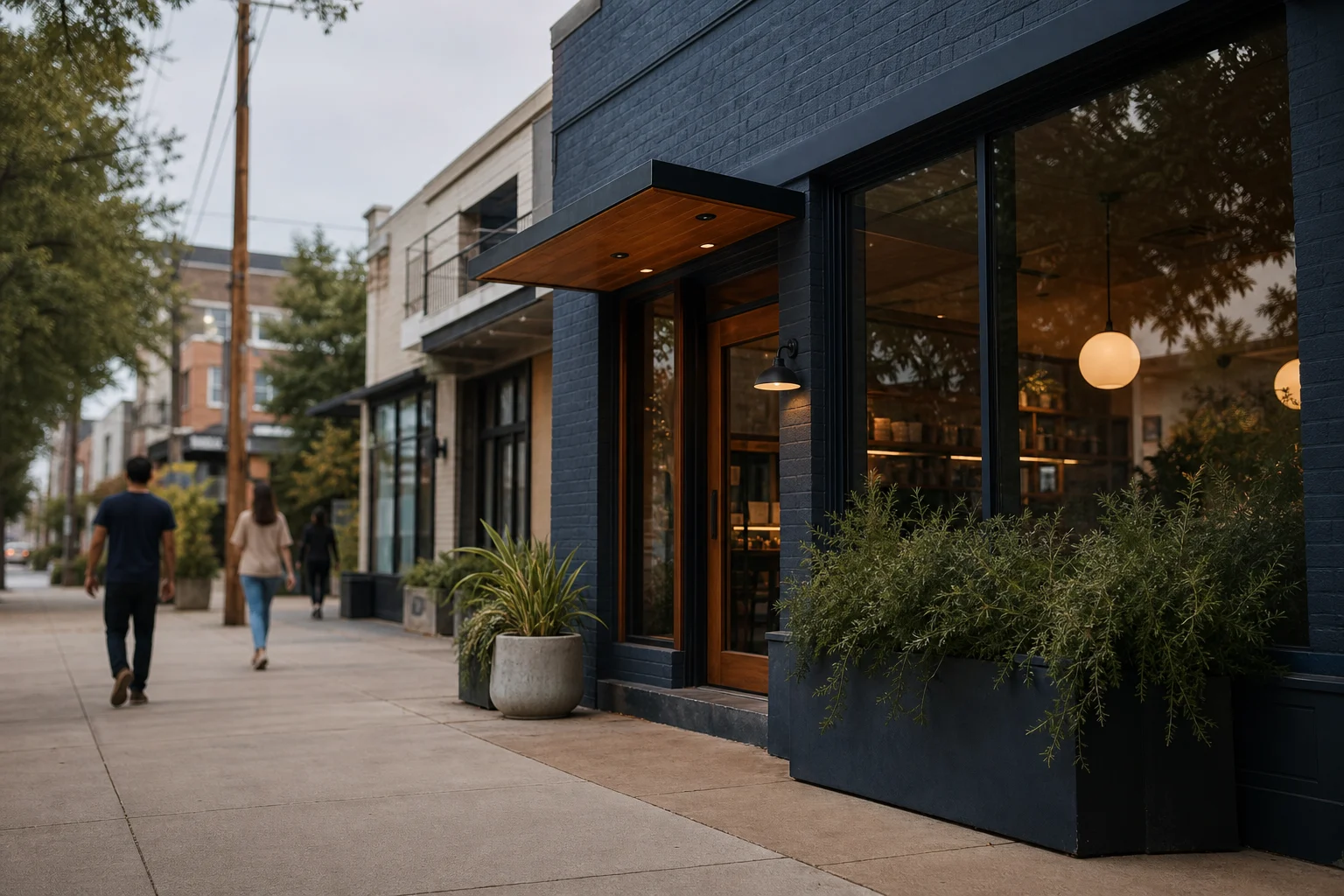
Equipment categories by launch format
Your ramen and pho shop will need several categories of equipment to operate efficiently. The specific equipment requirements will depend on your chosen format—whether you're operating a full-service restaurant, a quick-service counter, or a hybrid model.
For ramen preparation, you'll need specialized equipment including ramen boilers, noodle cookers, and broth simmering stations. Pho operations require large stock pots for bone broth, specialized slicers for beef, and rice cookers. Both cuisines share common equipment needs like refrigeration units, prep tables, and cooking ranges.
The kitchen layout should optimize workflow between these equipment zones. Consider how your menu items will flow from preparation to cooking to service. A well-designed equipment layout can reduce labor costs and improve service speed, which is critical in Oakland's competitive food market.
Buildout assumptions that change the budget
Buildout requirements significantly impact your equipment budget. In Oakland's top areas, rent levels vary: Uptown and Old Oakland expect roughly $30-50/sqft NNN, while Downtown Oakland offers the most affordable rent at roughly $20-35/sqft NNN. These differences affect how much you can invest in buildout and equipment.
A ground-up buildout requires more substantial investment in plumbing, electrical, and ventilation systems to support specialized restaurant equipment. Second-generation spaces may already have some infrastructure in place, reducing initial costs but potentially requiring equipment modifications.
Oakland's market temperature is mixed, with medium competition density. This balance suggests you can differentiate your offering through equipment quality and kitchen efficiency. Consider investing in energy-efficient equipment that can lower operating costs over time, especially important in a market where profit margins may be squeezed by competition.
New vs used equipment tradeoffs
Choosing between new and used equipment involves weighing initial costs against longevity and reliability. New equipment typically comes with warranties and the latest energy efficiency features, but represents a significant upfront investment. Used equipment can reduce initial costs by 30-50%, but may require more maintenance and lack warranty coverage.
In Oakland's competitive food scene, reliability is crucial. Downtime from equipment failure can mean lost customers and damaged reputation. Consider investing in new equipment for critical components like broth simmering systems and refrigeration, while potentially opting for used items for less critical functions.
The presence of existing ramen and pho shops in Oakland's top areas provides an opportunity to observe equipment performance in real-world conditions. Visit establishments like Itani Ramen (4.2★/662 reviews), Pho 84 (4.4★/355 reviews), and Ramen Ya (1.2★) to note equipment brands and models that withstand heavy use in a restaurant environment.
What to inspect in a second-generation space
When evaluating a second-generation space in Oakland's top areas, focus on the condition and compatibility of existing equipment. The dense lunch-and-evening corridors in Uptown Oakland, anchored by the Fox Theater and 19th St BART, mean your equipment will face heavy usage during peak hours.
Inspect exhaust systems to ensure they meet current health code requirements for the specialized cooking methods used in ramen and pho preparation. Check gas lines and electrical systems to verify they can support your planned equipment load. The Victorian streets of Old Oakland draw strong daytime office worker traffic, meaning your equipment must handle consistent lunch rushes.
In Downtown Oakland, where multiple BART lines converge and competition is highest, equipment reliability becomes even more critical. The presence of multiple established ramen and pho shops within 500m means customers have alternatives if your service falters due to equipment issues.
Look for signs of proper maintenance in existing equipment. Ask the previous owner about maintenance records and any recurring issues. Consider hiring a professional inspector to evaluate the condition of major equipment items before committing to a lease.
FAQ
What equipment do I need for A Ramen and Pho Shop in Oakland?
Your ramen and pho shop in Oakland will need several categories of equipment. For ramen preparation, specialized equipment includes ramen boilers, noodle cookers, and broth simmering stations. Pho operations require large stock pots for bone broth, beef slicers, and rice cookers. Both cuisines need commercial refrigeration units, prep tables, cooking ranges, and ventilation systems.
The specific equipment requirements will depend on your chosen format and location within Oakland. In Uptown Oakland, which ranks #1 with a 6.5/10 score, you'll need equipment that can handle the dense lunch-and-evening traffic anchored by the Fox Theater and 19th St BART. Old Oakland's Victorian streets draw strong daytime office worker traffic, requiring equipment that performs consistently during lunch rushes. Downtown Oakland, the primary CBD with multiple BART lines, demands equipment that can withstand the highest competition density in Oakland.
Regardless of location, prioritize equipment reliability and energy efficiency. Oakland's mixed market temperature and medium competition density mean operational efficiency can provide a competitive edge. Consider investing in new equipment for critical components while potentially opting for used items for less essential functions, always balancing initial costs against long-term reliability and operating expenses.
Last reviewed: 2026-05-08
Sources: U.S. Census Bureau ACS, LEHD LODES, Google Places, OpenStreetMap, Locavisor neighborhood scoring.
Methodology: Locavisor scores neighborhoods across demand, competition fit, rent fit, accessibility, and customer match. Scores reflect a snapshot of recent data and should be combined with on-the-ground research before lease decisions.
Disclaimer: This article provides informational content only and does not constitute legal, financial, accounting, or real-estate advice. Verify lease terms, licensing, local regulations, costs, and professional requirements with qualified local professionals before making business decisions.
Free preview shows top 3 neighborhoods. Full $9.99 report covers all 10 areas with personalized scoring + 90-day check-ins.
Informational only. Verify lease, licensing, local regulations, costs, and professional requirements with qualified local professionals.