Phoenix, AZ · ramen and pho shop
Ramen and pho shop equipment costs Phoenix
Opening a ramen and pho shop in Phoenix requires careful planning around equipment and buildout costs. The equipment choices you make will directly impact your operational efficiency, food quality, and overall startup budget. Phoenix's competitive restaurant market demands that you make informed decisions about what equipment to purchase, lease, or use secondhand. This guide breaks down the essential equipment needs and buildout considerations specific to Phoenix's ramen and pho shop landscape.
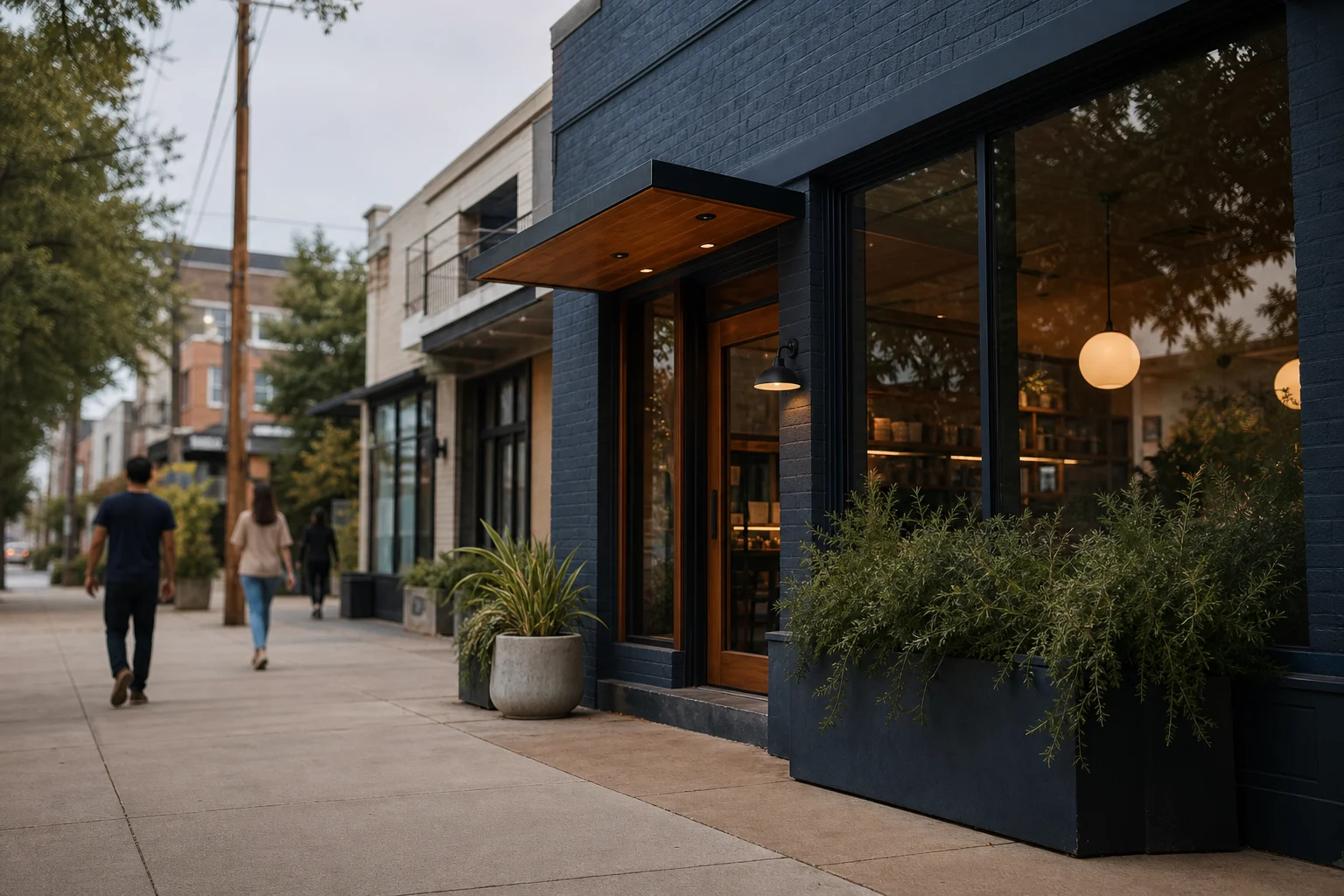
What equipment do you need to open a ramen and pho shop in Phoenix?
The core equipment for a ramen and pho shop in Phoenix includes specialized cooking appliances, storage solutions, and service equipment. Your equipment list should be tailored to your specific menu offerings, but generally includes:
- Ramen-specific equipment: Ramen boilers, noodle cookers, and specialized broth simmering systems
- Pho-specific equipment: Large stock pots for bone broth, specialized pho cooking stations
- General kitchen equipment: Commercial ranges, ventilation systems, refrigeration units
- Service equipment: Service counters, POS systems, dishwashing stations
- Storage solutions: Walk-in coolers, dry storage areas, prep tables
When planning your equipment needs, consider Phoenix's climate and how it affects your kitchen operations. The city's hot summers mean you'll need robust ventilation and cooling systems to maintain a comfortable working environment for staff and preserve food quality.
Buildout cost categories
Plumbing and electrical
Plumbing and electrical work represents a significant portion of your buildout costs. For a ramen and pho shop, you'll need specialized plumbing for:
- High-capacity water lines for noodle cookers and steamers
- Grease traps and drainage systems for heavy food preparation
- Gas lines for specialized cooking equipment
- Electrical systems capable of handling commercial-grade appliances
In Phoenix, you'll need to work with licensed contractors who understand local building codes and can handle the specific demands of restaurant-grade systems. The city's building department has specific requirements for commercial kitchens, particularly regarding ventilation and fire suppression systems.
HVAC and ventilation
Proper HVAC and ventilation systems are non-negotiable for a ramen and pho shop in Phoenix's hot climate. Your ventilation system must:
- Handle high heat and steam output from noodle cooking
- Maintain consistent kitchen temperatures despite outdoor heat
- Meet local air quality and noise regulations
- Include make-up air systems to ensure proper airflow
Phoenix's building codes have specific requirements for commercial kitchen ventilation. You'll need to factor in the cost of installing hoods, exhaust systems, and make-up air units that can handle the intense cooking environment of a ramen and pho shop.
Flooring and finishes
Your flooring and finishes should be durable, slip-resistant, and easy to clean - essential for a busy ramen and pho shop kitchen. Consider:
- Commercial-grade epoxy flooring that can withstand heavy foot traffic and spills
- Wall finishes that resist grease and steam
- Ceiling materials that can handle ventilation system requirements
- Non-porous surfaces throughout the kitchen area
In Phoenix's competitive restaurant market, the appearance of your kitchen matters. Customers may catch glimpses of your kitchen through open kitchen designs, so maintaining a clean, professional appearance is crucial.
Permits-driven items
Several buildout items require specific permits in Phoenix:
- Fire suppression systems
- Ventilation systems
- Gas line installations
- Plumbing modifications
- Electrical upgrades
You'll need to work with contractors who understand Phoenix's permitting process and can ensure your buildout meets all local requirements. The city's building department has specific timelines and inspection processes that can impact your opening schedule.
Furniture and signage
While not strictly equipment, furniture and signage are essential buildout considerations:
- Service counters and dining furniture
- Interior and exterior signage
- Storage solutions for front-of-house operations
- Customer seating appropriate for your concept
In Phoenix's competitive restaurant scene, your interior design and signage can help differentiate your ramen and pho shop. Consider how your buildout supports your brand identity while meeting functional needs.
Equipment line items to validate in Phoenix
When selecting equipment for your Phoenix ramen and pho shop, focus on items that address local operational challenges:
- High-capacity noodle cookers that can handle Phoenix's demand during peak hours
- Robust refrigeration systems that maintain food safety in hot desert temperatures
- Energy-efficient equipment to manage Phoenix's high electricity costs
- Durable equipment that can withstand the demands of a busy kitchen environment
Consider how your equipment choices align with Phoenix's specific needs. For example, energy-efficient equipment can help manage operating costs in a city with high utility rates.
How established operators in Phoenix configure their kitchens
Looking at successful ramen and pho shops in Phoenix provides valuable insights into equipment configuration. SoSoBa Phoenix and Omoide Sushi & Noodle in Roosevelt Row, and Ramen Kagawa in Downtown Phoenix have all found equipment setups that work for their specific concepts.
These operators typically prioritize:
- Specialized cooking stations for ramen and pho preparation
- Efficient workflow layouts that minimize movement
- Equipment that supports their specific menu offerings
- Systems that can handle high volume during peak hours
Roosevelt Row, with its rent band of $26-$65/sqft/yr NNN, has become a hub for ramen and pho shops, with SoSoBa Phoenix and Omoide Sushi & Noodle establishing themselves as popular destinations. Their equipment configurations reflect the need to serve high-quality food efficiently in a competitive market.
In Downtown Phoenix, with the same $26-$65/sqft/yr NNN rent band, Ramen Kagawa has carved out a niche with its specialized approach to ramen. Their kitchen setup likely reflects the need to maintain quality while serving a diverse customer base in the urban core.
Used vs. new vs. lease
When acquiring equipment for your Phoenix ramen and pho shop, consider these options:
- New equipment: Higher upfront cost but comes with warranties and the latest technology
- Used equipment: Lower upfront cost but may require more maintenance and lack warranties
- Leased equipment: Lower upfront cost with predictable monthly payments, but long-term costs may be higher
In Phoenix's competitive restaurant market, the condition and reliability of your equipment can impact customer perception and operational efficiency. Consider your budget, risk tolerance, and long-term plans when deciding between these options.
Buildout timeline
Your buildout timeline in Phoenix will depend on several factors:
- The complexity of your kitchen design
- Availability of contractors
- Permit approval timelines
- Equipment delivery schedules
Phoenix's construction season and contractor availability can impact your timeline. Plan for potential delays, especially during peak construction periods. Working with experienced local contractors who understand the Phoenix market can help streamline the process.
Common buildout overruns
Several factors commonly lead to buildout cost overruns in Phoenix:
- Unexpected structural issues discovered during construction
- Changes in equipment specifications after ordering
- Delays in permit approvals
- Unforeseen utility upgrades required by the city
Budgeting for contingencies and maintaining flexibility in your timeline can help manage these risks. Working with experienced contractors who have completed similar projects in Phoenix can help identify potential issues early.
| Neighborhood | Locavisor score | Rent band | Local operator signal | Founder validation check |
|---|---|---|---|---|
| Tempe / ASU campus | 7.0/10 | $26-$65/sqft/yr NNN | No direct operator listed | Check utility capacity, ventilation, plumbing, storage, and fixture layout. |
| Roosevelt Row | 6.8/10 | $26-$65/sqft/yr NNN | SoSoBa Phoenix, Omoide Sushi & Noodle | Check utility capacity, ventilation, plumbing, storage, and fixture layout. |
| Camelback Corridor | 6.2/10 | $48/sqft/yr NNN | No direct operator listed | Check utility capacity, ventilation, plumbing, storage, and fixture layout. |
| Downtown Phoenix | 6.1/10 | $26-$65/sqft/yr NNN | Ramen Kagawa, Omoide Sushi & Noodle | Check utility capacity, ventilation, plumbing, storage, and fixture layout. |
| Old Town Scottsdale | 6.0/10 | $26-$65/sqft/yr NNN | No direct operator listed | Check utility capacity, ventilation, plumbing, storage, and fixture layout. |
FAQ
What equipment do I need to open a ramen and pho shop in Phoenix?
To open a ramen and pho shop in Phoenix, you'll need specialized cooking equipment for both ramen and pho preparation, including noodle cookers, broth simmering systems, commercial ranges, and specialized ventilation. You'll also need refrigeration, storage solutions, service equipment, and POS systems. Consider Phoenix's hot climate when selecting equipment, as you'll need robust systems that can handle high temperatures and maintain food safety.
How do Phoenix's rent bands affect equipment decisions?
Phoenix's rent bands, ranging from $26-$65/sqft/yr NNN in areas like Roosevelt Row and Downtown Phoenix to $48/sqft/yr NNN in the Camelback Corridor, impact your equipment decisions by influencing your overall budget. Higher rent in premium locations like Camelback Corridor may require more cost-effective equipment solutions or a focus on higher-margin menu items to maintain profitability.
Should I buy new or used equipment for my Phoenix ramen and pho shop?
The decision between new and used equipment depends on your budget, risk tolerance, and long-term plans. New equipment comes with warranties and the latest technology but has a higher upfront cost. Used equipment is more affordable initially but may require more maintenance. In Phoenix's competitive market, reliable equipment that maintains food quality and operational efficiency is crucial regardless of whether it's new or used.
How do I ensure my kitchen meets Phoenix's building codes?
To ensure your kitchen meets Phoenix's building codes, work with licensed contractors experienced in commercial kitchen installations. Your buildout must include proper ventilation, fire suppression systems, and compliance with local health and safety regulations. The city's building department can provide specific requirements for your ramen and pho shop equipment and layout.
What's the typical equipment configuration for successful ramen and pho shops in Phoenix?
Successful ramen and pho shops in Phoenix, like SoSoBa Phoenix and Omoide Sushi & Noodle in Roosevelt Row, typically feature specialized cooking stations for ramen and pho preparation, efficient workflow layouts, and equipment that supports their specific menu offerings. These configurations prioritize quality, efficiency, and the ability to handle high volume during peak hours in Phoenix's competitive restaurant market.
Last reviewed: 2026-05-30
Sources: U.S. Census Bureau ACS, LEHD LODES, Google Places, OpenStreetMap, Locavisor neighborhood scoring.
Methodology: Locavisor scores neighborhoods across demand, competition fit, rent fit, accessibility, and customer match. Scores reflect a snapshot of recent data and should be combined with on-the-ground research before lease decisions.
Disclaimer: This article provides informational content only and does not constitute legal, financial, accounting, or real-estate advice. Verify lease terms, licensing, local regulations, costs, and professional requirements with qualified local professionals before making business decisions.
Free preview shows top 3 neighborhoods. Full $9.99 report covers all 10 areas with personalized scoring + 90-day check-ins.
Informational only. Verify lease, licensing, local regulations, costs, and professional requirements with qualified local professionals.