San Antonio, TX · ramen and pho shop
Ramen and pho shop equipment costs San Antonio
Opening a ramen and pho shop in San Antonio requires careful planning of equipment and buildout to match the specific needs of your concept. The ramen and pho shop equipment costs San Antonio entrepreneurs face depend heavily on location, format, and the condition of your space. With a mixed market temperature and medium competition density, San Antonio offers opportunities for new entrants, especially in areas with strong demand and limited direct competition.
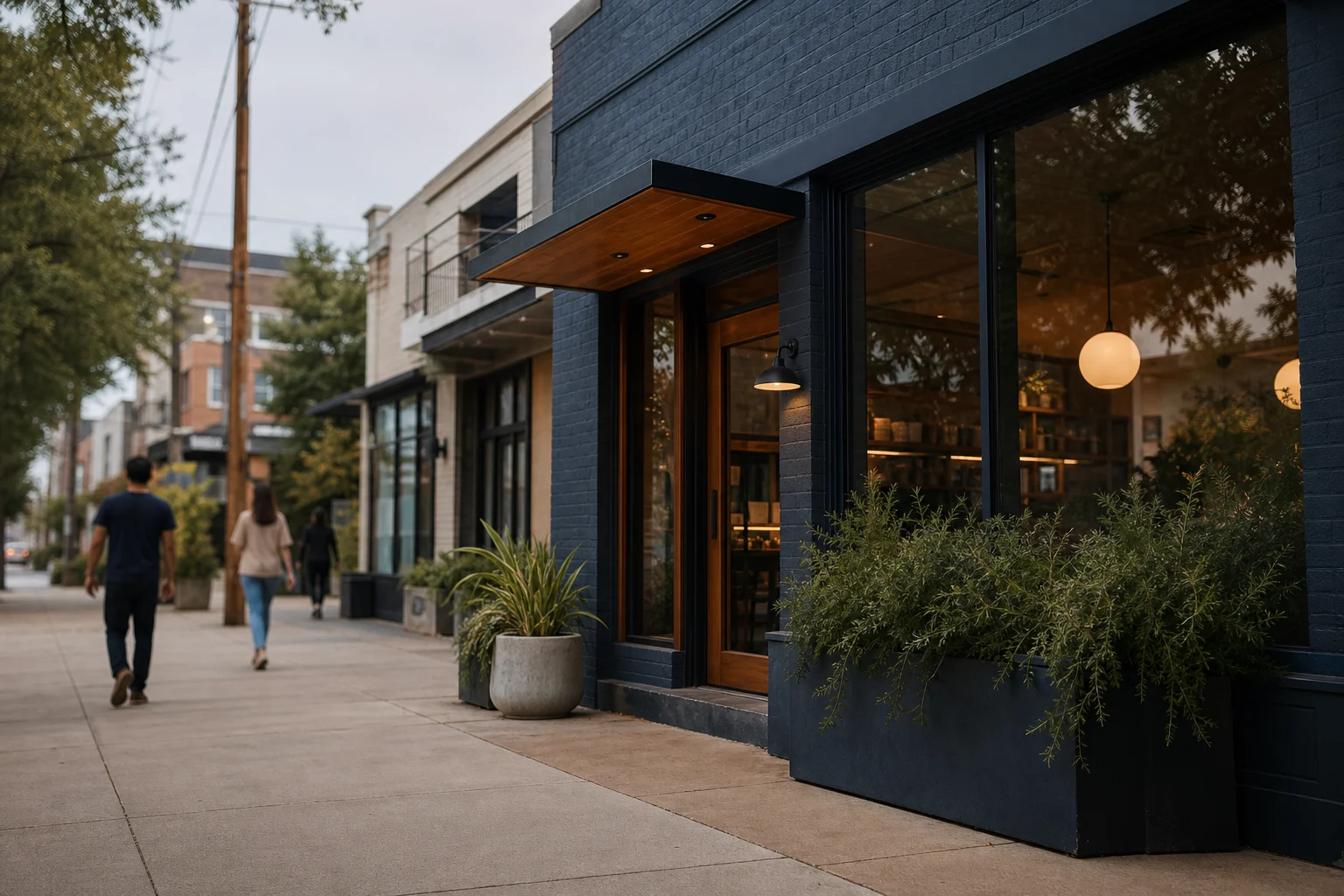
Equipment categories by launch format
Your equipment needs will vary significantly based on your chosen format. A quick-service ramen counter requires different equipment than a full-service pho restaurant with dining space. The UTSA Main Campus area, with its 30K+ student population and strong lunch-daypart dynamics, might favor a more streamlined, efficient setup optimized for speed and volume. In contrast, a Downtown San Antonio location near the River Walk might justify more substantial kitchen equipment to handle a diverse menu and higher-end presentation.
Core equipment categories include cooking systems, preparation stations, refrigeration, and front-of-house elements. Cooking systems must accommodate both ramen's broth simmering and pho's distinct preparation methods. Preparation stations need space for slicing proteins, preparing vegetables, and assembling dishes efficiently. Refrigeration must safely store ingredients while supporting your menu's specific requirements. Front-of-house elements like serving counters, dishwashing stations, and seating arrangements (if applicable) complete your operational setup.
The West Side / Westside area, with two existing ramen/pho operators, suggests that proven equipment configurations already exist in the market. Observing these successful operations can provide valuable insights into what equipment works well for this specific cuisine in San Antonio's market conditions.
Buildout assumptions that change the budget
Buildout requirements can dramatically impact your initial investment. The Downtown San Antonio area, with zero ramen/pho competitors in the core downtown area, might require a complete buildout if securing a space that previously housed a different concept. This contrasts with areas like the West Side, where existing ramen/pho operators have already established functional kitchen layouts that might be adaptable.
Your buildout budget will be influenced by several factors. The rent level in your chosen location affects how much you can invest in improvements. The UTSA Main Campus area offers a strong rentFit score, potentially allowing for more substantial buildout investments. The market temperature being mixed suggests that while there's opportunity, careful allocation of resources is essential.
Plumbing and gas lines represent significant buildout considerations. Ramen operations require specialized equipment for broth preparation, while pho needs specific configurations for meat preparation and broth simmering. Electrical systems must support your cooking equipment's power requirements. Ventilation systems must handle the unique cooking methods and aromas associated with both cuisines. Each of these elements must be evaluated based on your specific space and menu requirements.
New vs used equipment tradeoffs
The decision between new and used equipment involves careful consideration of budget constraints, operational needs, and long-term planning. New equipment offers warranties, energy efficiency, and the latest technology, but comes with a higher upfront cost. Used equipment can significantly reduce initial expenses but may require more maintenance and lack modern efficiency features.
The competition density in San Antonio being medium suggests that equipment reliability and efficiency can provide a competitive advantage. In areas like the UTSA Main Campus area with zero direct ramen/pho competitors within the campus zone, investing in higher-quality equipment might help establish your brand as the premium option from the start.
The West Side's existing operators, Ginza Ramen and Poke (4.4★, 729 reviews) and Thai Lao and Pho (4.2★, 215 reviews), demonstrate that successful operations can be built with various equipment approaches. Observing their equipment choices and maintenance practices can provide valuable insights for your own decision-making process.
When evaluating used equipment, consider factors like age, maintenance history, and compatibility with your specific menu requirements. The market temperature being mixed suggests that while cost savings are important, reliability should not be compromised to the point that it affects service quality or operational efficiency.
What to inspect in a second-generation space
Securing a second-generation space—previously occupied by a restaurant—can offer significant advantages, including existing infrastructure and potentially lower buildout costs. However, thorough inspection is essential to ensure the space meets your specific needs.
When evaluating a potential space, assess the existing kitchen layout for compatibility with ramen and pho preparation methods. The plumbing and gas configurations must support your specific equipment requirements. Electrical systems should have adequate capacity for your cooking equipment. Ventilation systems must effectively handle the unique cooking methods and aromas associated with both cuisines.
The Downtown San Antonio area, with its strong tourist and daytime office traffic, might offer spaces with established dining infrastructure that could be adapted for a ramen and pho concept. However, the low demand score (3.3) and customerMatch (3.3) suggest that the space's existing configuration might need modification to better suit your target market's preferences.
In the UTSA Main Campus area, the high walkability and student population suggest that spaces designed for quick-service operations might be particularly suitable. The near-ceiling walkability for a suburban campus indicates that spaces with efficient front-of-house layouts could provide significant operational advantages.
FAQ
What equipment do I need for A Ramen and Pho Shop in San Antonio?
A ramen and pho shop requires specialized equipment for broth preparation, noodle cooking, protein preparation, and service. Essential equipment includes large-volume broth simmering systems, noodle cooking stations, meat slicers, preparation tables, refrigeration units, dishwashing systems, and front-of-service counters. The specific configuration depends on your format, menu offerings, and location requirements.
How does location affect equipment needs for a ramen and pho shop?
Location significantly impacts equipment requirements based on your target market and operational format. The UTSA Main Campus area's student population suggests equipment optimized for speed and volume, while Downtown San Antonio's tourist traffic might justify more substantial equipment for diverse menu offerings. The West Side's existing operators demonstrate that successful configurations can vary based on specific market conditions.
What buildout considerations are specific to ramen and pho operations?
Ramen and pho operations require specialized buildout elements including robust ventilation systems for broth simmering, appropriate plumbing for large-volume broth preparation, and gas lines for specialized cooking equipment. Electrical systems must support high-power cooking appliances, and the layout must accommodate distinct preparation workflows for both cuisines while maintaining efficiency during peak service periods.
How does the market temperature in San Antonio affect equipment planning?
San Antonio's mixed market temperature suggests a balanced approach to equipment investment. While cost efficiency is important, reliability and quality should not be compromised. The medium competition density indicates that equipment that enhances operational efficiency and food quality can provide a competitive advantage in the market.
What should I consider when choosing between new and used equipment for my ramen and pho shop?
When choosing between new and used equipment, consider factors like budget constraints, operational needs, long-term planning, and maintenance capabilities. New equipment offers warranties and energy efficiency but comes with higher upfront costs. Used equipment can reduce initial expenses but may require more maintenance. The specific decision should align with your business model, target market, and location requirements.
Last reviewed: 2026-05-08
Sources: U.S. Census Bureau ACS, LEHD LODES, Google Places, OpenStreetMap, Locavisor neighborhood scoring.
Methodology: Locavisor scores neighborhoods across demand, competition fit, rent fit, accessibility, and customer match. Scores reflect a snapshot of recent data and should be combined with on-the-ground research before lease decisions.
Disclaimer: This article provides informational content only and does not constitute legal, financial, accounting, or real-estate advice. Verify lease terms, licensing, local regulations, costs, and professional requirements with qualified local professionals before making business decisions.
Free preview shows top 3 neighborhoods. Full $9.99 report covers all 10 areas with personalized scoring + 90-day check-ins.
Informational only. Verify lease, licensing, local regulations, costs, and professional requirements with qualified local professionals.