San Diego, CA · ramen and pho shop
Ramen and pho shop equipment costs San Diego
Opening a ramen and pho shop in San Diego means balancing flavor, foot traffic, and the pressure of equipment and buildout planning. Every decision-from broth simmering pots to exhaust systems-ties back to local rent bands, utility checks, and how established operators configure their kitchens. San Diego's neighborhoods, from University City to Downtown, shape these choices, and understanding the equipment you need is the first step to avoiding costly missteps.
What equipment do you need to open a ramen and pho shop in San Diego?
A ramen and pho shop's core equipment hinges on three pillars: broth production, noodle preparation, and service. For broth, you'll need large simmering pots (often gas or induction) to handle hours of slow cooking-critical for rich tonkotsu or pho broth. Noodle stations require specialized cookers, either boiling water systems or steamers, to ensure consistent texture. Service equipment includes steam tables for toppings (chashu, herbs) and POS systems built for quick, high-volume orders.
Local context matters: San Diego's verified ramen and pho shops, like Ramen Nagi in University City or RAKIRAKI Ramen & Tsukemen in Convoy, prioritize durable, high-output gear to handle weekend rushes. Their setups often include commercial-grade ranges with woks for stir-fries and refrigerated prep stations to keep ingredients fresh. For pho, a dedicated broth station with filtration systems (to remove impurities) is non-negotiable-something Tajima Ramen Convoy likely uses, given its focus on authentic Vietnamese flavors.
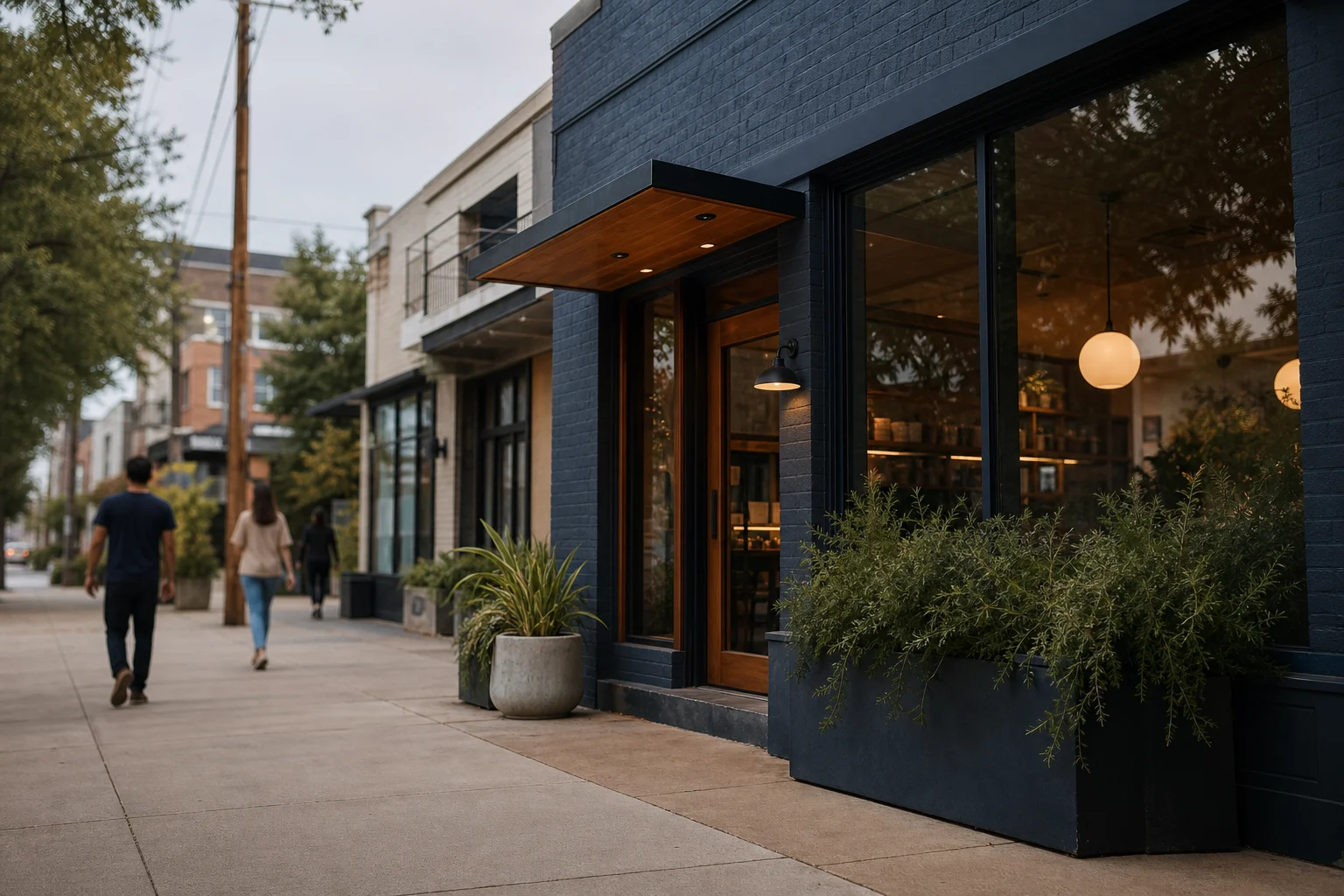
Buildout cost categories
Buildout costs in San Diego vary by neighborhood, but the top five areas (per Locavisor) share rent bands that influence equipment placement and utility needs. University City, with a 7.4/10 score and $37-$85/sqft/yr NNN rent, balances mall foot traffic (Westfield UTC) with office workers, making compact, efficient layouts key. Downtown's $60/sqft/yr NNN rent (Gaslamp Quarter) demands premium finishes but also justifies higher-end equipment to match its upscale vibe.
Plumbing and electrical
Plumbing for ramen and pho shops is intense: multiple sinks for washing noodles, grease traps for broth waste, and high-pressure water lines for cleaning. Electrical needs include dedicated circuits for large cookers and refrigeration. In neighborhoods like Convoy Asian Cultural District ($37-$85/sqft/yr NNN), where Tajima Ramen Convoy operates, contractors must account for these loads to avoid tripped breakers during peak hours.
HVAC and ventilation
Ramen and pho kitchens generate steam and odors-HVAC systems must handle high humidity and exhaust grease. Downtown's $60/sqft/yr NNN rent (Gaslamp Quarter) often requires more robust systems to meet city codes, while University City's mix of mall and office traffic means balancing air circulation with noise restrictions.
Flooring and finishes
Non-slip, easy-to-clean flooring is standard, but finishes vary by neighborhood. Liberty Station ($37-$85/sqft/yr NNN) leans toward industrial-chic (exposed concrete, metal accents) to match its repurposed naval base vibe, while Downtown's Gaslamp Quarter may favor polished tile for a sleek look.
Permits-driven items
San Diego's permits for food service require compliance with health and fire codes. This includes grease traps, fire suppression systems, and accessible exits-items that can add unexpected costs if not planned early. Always verify with the San Diego County Department of Environmental Health.
Furniture and signage
Seating and signage tie to neighborhood character. Convoy's Asian Cultural District, home to RAKIRAKI Ramen & Tsukemen, uses bold, culturally relevant signage to attract locals. Downtown's Gaslamp Quarter, with Tajima Ramen East Village, may opt for minimalist, modern designs to fit its upscale market.
Equipment line items to validate in San Diego
Beyond basics, validate these line items:
- Broth filtration systems: Pho requires clarifying broth; local operators like BESHOCK Ramen East Village (Downtown) likely use commercial filters to remove fat and sediment.
- Noodle cookers: Ramen needs precise temperature control; look for models with digital timers to avoid overcooking.
- Refrigerated prep stations: Keep toppings (eggs, greens) at safe temperatures-critical for health inspections.
How established operators in San Diego configure their kitchens
San Diego's top ramen and pho shops use layout to maximize efficiency. Ramen Nagi in University City, near Westfield UTC, likely places its broth station at the back to minimize noise in the dining area, while Tajima Ramen Convoy in Convoy may group noodle cookers near the service window for quick pickup. Reviews highlight "quick service" and "friendly staff," suggesting layouts that reduce staff movement-key for high-volume spots.
Used vs. new vs. lease
Used equipment can cut costs, but San Diego's humid climate (coastal areas like La Jolla) may require more maintenance. New gear offers warranties, ideal for neighborhoods with high foot traffic (Downtown's $60/sqft/yr NNN rent). Leasing is an option for cash flow, but long-term costs add up-weigh this against San Diego's competitive market.
Buildout timeline
Buildout timelines depend on permits and contractor availability. San Diego's permit process can take a variable local timeline, with inspections for plumbing and electrical. Factor in time for equipment delivery-local suppliers may have lead times, especially for custom items.
Common buildout overruns
Unexpected costs often stem from:
- Plumbing upgrades: Older buildings (common in Downtown) may need pipe replacements to handle broth waste.
- Permit delays: Health department inspections can push timelines, increasing labor costs.
| Neighborhood | Locavisor score | Rent band | Local operator signal | Founder validation check |
|---|---|---|---|---|
| University City / UTC | 7.4/10 | $37-$85/sqft/yr NNN | Ramen Nagi | Check utility capacity, ventilation, plumbing, storage, and fixture layout. |
| Mission Valley | 6.2/10 | $37-$85/sqft/yr NNN | No direct operator listed | Check utility capacity, ventilation, plumbing, storage, and fixture layout. |
| Convoy Asian Cultural District | 6.2/10 | $37-$85/sqft/yr NNN | RAKIRAKI Ramen & Tsukemen, Tajima Ramen Convoy | Check utility capacity, ventilation, plumbing, storage, and fixture layout. |
| Downtown / Gaslamp Quarter | 6.2/10 | $60/sqft/yr NNN | Tajima Ramen East Village, BESHOCK Ramen East Village | Check utility capacity, ventilation, plumbing, storage, and fixture layout. |
| Liberty Station | 6.2/10 | $37-$85/sqft/yr NNN | No direct operator listed | Check utility capacity, ventilation, plumbing, storage, and fixture layout. |
FAQ
Q: Do I need a grease trap for my ramen and pho shop in San Diego?
A: Yes-San Diego County requires grease traps for all food service establishments to prevent sewer blockages. Size depends on kitchen volume; consult the San Diego County Department of Environmental Health.
Q: How do San Diego's rent bands affect equipment choices?
A: Higher rent bands (e.g., Downtown's $60/sqft/yr NNN) mean less space, so prioritize compact, multi-functional equipment. Lower rent bands (e.g., University City's $37-$85/sqft/yr NNN) allow for larger setups but may require more efficient layouts to maximize foot traffic.
Q: Can I use a standard range for ramen broth?
A: No-ramen broth needs consistent, high heat. Commercial-grade ranges with woks or large simmering pots are standard. Local operators like Tajima Ramen East Village (Downtown) use specialized ranges to maintain broth quality.
Last reviewed: 2026-05-30
Sources: U.S. Census Bureau ACS, LEHD LODES, Google Places, OpenStreetMap, Locavisor neighborhood scoring.
Methodology: Locavisor scores neighborhoods across demand, competition fit, rent fit, accessibility, and customer match. Scores reflect a snapshot of recent data and should be combined with on-the-ground research before lease decisions.
Disclaimer: This article provides informational content only and does not constitute legal, financial, accounting, or real-estate advice. Verify lease terms, licensing, local regulations, costs, and professional requirements with qualified local professionals before making business decisions.
Free preview shows top 3 neighborhoods. Full $9.99 report covers all 10 areas with personalized scoring + 90-day check-ins.
Informational only. Verify lease, licensing, local regulations, costs, and professional requirements with qualified local professionals.