San Jose, CA · ramen and pho shop
Ramen and pho shop equipment costs San Jose
Opening a ramen and pho shop in San Jose requires careful planning of equipment and buildout to match your concept and budget. Understanding ramen and pho shop equipment costs San Jose is essential for founders looking to enter this competitive but rewarding market. The right equipment decisions impact both initial investment and long-term operational efficiency.
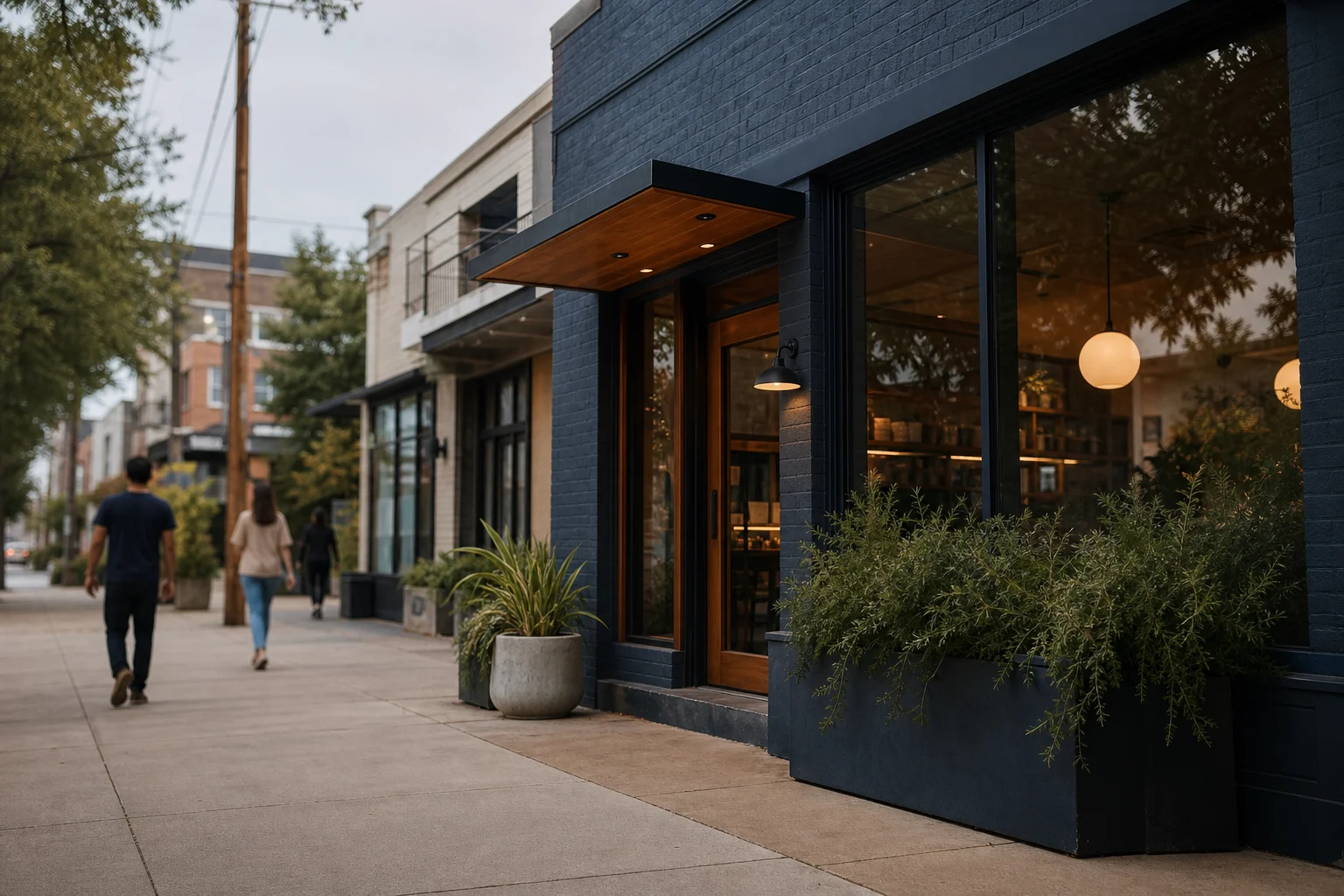
Equipment categories by launch format
Your ramen and pho shop equipment needs will vary significantly based on your chosen format. A full-service restaurant requires more specialized equipment than a fast-casual concept. Downtown San Jose (6.6/10) offers the strongest bet for a ramen/pho concept at medium budget, with SJSU, Adobe HQ, and Diridon Station anchoring a dense daytime workforce (~10,500 weekday lunch workers within 800m) plus strong evening and late-night energy from San Pedro Square and SAP Center events. Your equipment choices must balance quality with cost efficiency to match this mixed market temperature.
Kitchen equipment forms the backbone of any ramen and pho operation. You'll need noodle boilers, broth simmering systems, and specialized cutting stations. The medium competition density in San Jose means you must differentiate through both quality and operational efficiency. Naglee Park / SJSU area (6.5/10) presents a student-anchored corridor with strong residential density (~8,000 potential repeat households within 800m) and a single existing noodle shop — TK Noodle #1 at 3.5★ over 284 reviews. This context suggests equipment that can handle both lunch rushes and evening service.
Front-of-house equipment includes service stations, seating arrangements, and point-of-sale systems. The low rent level in San Jose provides some budget flexibility for quality front-of-house investments. Rose Garden (6.0/10) offers an upscale historic residential corridor along The Alameda with good walkability and moderate retail density. No direct ramen/pho competitors exist in the immediate area — a blank slate. This absence of competition might justify investing in distinctive front-of-house elements that establish your brand identity from day one.
Buildout assumptions that change the budget
Buildout requirements significantly impact your ramen and pho shop equipment costs San Jose. The 78% score confidence in Locavisor neighborhood scoring suggests reliable data for planning purposes. Your buildout approach must consider the specific characteristics of your chosen location. Downtown San Jose's dense daytime workforce (~10,500 weekday lunch workers within 800m) demands efficient kitchen flow to handle peak service periods without compromising quality.
Ventilation systems represent one of the largest buildout expenses for ramen and pho operations. The steam from broth simmering requires robust exhaust systems to meet health codes and maintain kitchen air quality. The mixed market temperature in San Jose means you must design for both busy periods and slower days, creating a flexible kitchen layout that maximizes efficiency at all service levels. Naglee Park / SJSU area's student index near ceiling drives solid evening and late-night potential, suggesting buildout that supports extended hours with appropriate staffing and equipment capacity.
Plumbing infrastructure is another critical buildout consideration. Ramen and pho operations require multiple sinks, floor drains, and potentially specialized water filtration systems. The low rent level in San Jose might indicate older buildings requiring substantial plumbing upgrades. Rose Garden's affluent customer base (affluence index above-average) and family-oriented demographic suggests buildout that accommodates both quick service and longer dining experiences, with appropriate seating arrangements and noise considerations.
New vs used equipment tradeoffs
The decision between new and used equipment significantly impacts your ramen and pho shop equipment costs San Jose. New equipment offers warranties, energy efficiency, and compliance with current health codes. The medium competition density in San Jose means operational reliability becomes a key differentiator, making new equipment's reliability advantages particularly valuable. Downtown San Jose's strong evening and late-night energy from San Pedro Square and SAP Center events demands equipment that can consistently perform under pressure.
Used equipment presents cost savings but carries higher maintenance risks. The 78% score confidence suggests reliable market data for evaluating cost-benefit tradeoffs. Naglee Park / SJSU area's rent is slightly gentler than Downtown at roughly $45-70/sqft NNN, potentially freeing some budget for higher-quality new equipment despite the initial savings of used items. The student-anchored nature of this area means equipment that can withstand heavy use during peak hours while maintaining consistent quality.
Leasehold improvements often represent a significant portion of your equipment budget. The low rent level in San Jose might allow for more substantial leasehold investments compared to higher-rent markets. Rose Garden's upscale historic residential corridor suggests equipment and finishes that match the neighborhood's aesthetic while maintaining functionality. The absence of direct ramen/pho competitors in this area presents an opportunity to establish premium positioning through quality equipment and buildout, even if it requires higher initial investment.
What to inspect in a second-generation space
Evaluating existing spaces requires careful assessment of existing equipment and infrastructure. The 78% score confidence in Locavisor neighborhood scoring provides reliable context for location evaluation. Downtown San Jose's dense daytime workforce (~10,500 weekday lunch workers within 800m) demands equipment that can handle high-volume service. When inspecting a second-generation space, verify that existing ventilation systems can handle the steam output from broth simmering without modifications.
Plumbing infrastructure assessment is critical for ramen and pho operations. The medium competition density in San Jose means operational efficiency becomes a key competitive factor. Naglee Park / SJSU area's single existing noodle shop — TK Noodle #1 at 3.5★ over 284 reviews — suggests customer expectations for quality and service speed. Inspect existing plumbing for capacity to handle multiple simultaneous uses, particularly during peak service periods. The student index near ceiling in this area indicates equipment that can maintain consistent quality during extended hours.
Electrical systems must support your equipment requirements. The low rent level in San Jose might indicate older electrical systems requiring upgrades. Rose Garden's affluent customer base (affluence index above-average) and family-oriented demographic suggests equipment that can operate quietly and efficiently. When inspecting a second-generation space, verify that electrical capacity meets your equipment needs, particularly for high-power items like noodle boilers and refrigeration units. The late-night score is low in this area, but the upscale residential nature suggests equipment that can maintain consistent performance throughout service hours.
FAQ
What equipment do I need for A Ramen and Pho Shop in San Jose?
Your ramen and pho shop requires specialized kitchen equipment including noodle boilers, broth simmering systems, cutting stations, and refrigeration. Front-of-house needs include service stations, seating arrangements, and point-of-sale systems. The specific equipment mix depends on your format and scale, with full-service operations requiring more specialized equipment than fast-casual concepts.
How does location affect equipment needs in San Jose?
Downtown San Jose's dense daytime workforce (~10,500 weekday lunch workers within 800m) demands equipment that can handle high-volume service during peak periods. Naglee Park / SJSU area's student-anchored nature suggests equipment that can maintain consistent quality during extended hours. Rose Garden's affluent customer base indicates equipment that matches the neighborhood's upscale aesthetic while maintaining functionality.
Should I buy new or used equipment for my San Jose ramen and pho shop?
New equipment offers warranties, energy efficiency, and compliance with current health codes, which is valuable given San Jose's medium competition density. Used equipment provides cost savings but carries higher maintenance risks. The low rent level in San Jose might allow for more substantial investments in quality equipment, even if it means choosing new over used options.
What buildout considerations impact equipment costs in San Jose?
Ventilation systems represent one of the largest buildout expenses for ramen and pho operations due to steam output. Plumbing infrastructure must support multiple simultaneous uses during peak service periods. Electrical systems must accommodate high-power equipment like noodle boilers and refrigeration units. The specific requirements vary by location, with Downtown San Jose demanding efficiency for high-volume service, while Rose Garden's upscale residential corridor suggests quieter operation.
How does San Jose's market temperature affect equipment planning?
The mixed market temperature in San Jose means you must design equipment and buildout for both busy periods and slower days. Downtown San Jose's strong evening and late-night energy from San Pedro Square and SAP Center events requires equipment that can consistently perform under pressure. The 78% score confidence in Locavisor neighborhood scoring provides reliable data for planning equipment capacity and operational flow to match market conditions.
Last reviewed: 2026-05-08
Sources: U.S. Census Bureau ACS, LEHD LODES, Google Places, OpenStreetMap, Locavisor neighborhood scoring.
Methodology: Locavisor scores neighborhoods across demand, competition fit, rent fit, accessibility, and customer match. Scores reflect a snapshot of recent data and should be combined with on-the-ground research before lease decisions.
Disclaimer: This article provides informational content only and does not constitute legal, financial, accounting, or real-estate advice. Verify lease terms, licensing, local regulations, costs, and professional requirements with qualified local professionals before making business decisions.
Free preview shows top 3 neighborhoods. Full $9.99 report covers all 10 areas with personalized scoring + 90-day check-ins.
Informational only. Verify lease, licensing, local regulations, costs, and professional requirements with qualified local professionals.