Seattle, WA · ramen and pho shop
Ramen and pho shop equipment costs Seattle
Opening a ramen and pho shop in Seattle requires careful planning around equipment and buildout costs. The equipment choices you make will directly impact your kitchen efficiency, food quality, and long-term operational costs. Seattle's competitive restaurant market demands thoughtful investment in the right tools to stand out among established players like Xi'an Noodles and Samurai Noodle in the U-District.
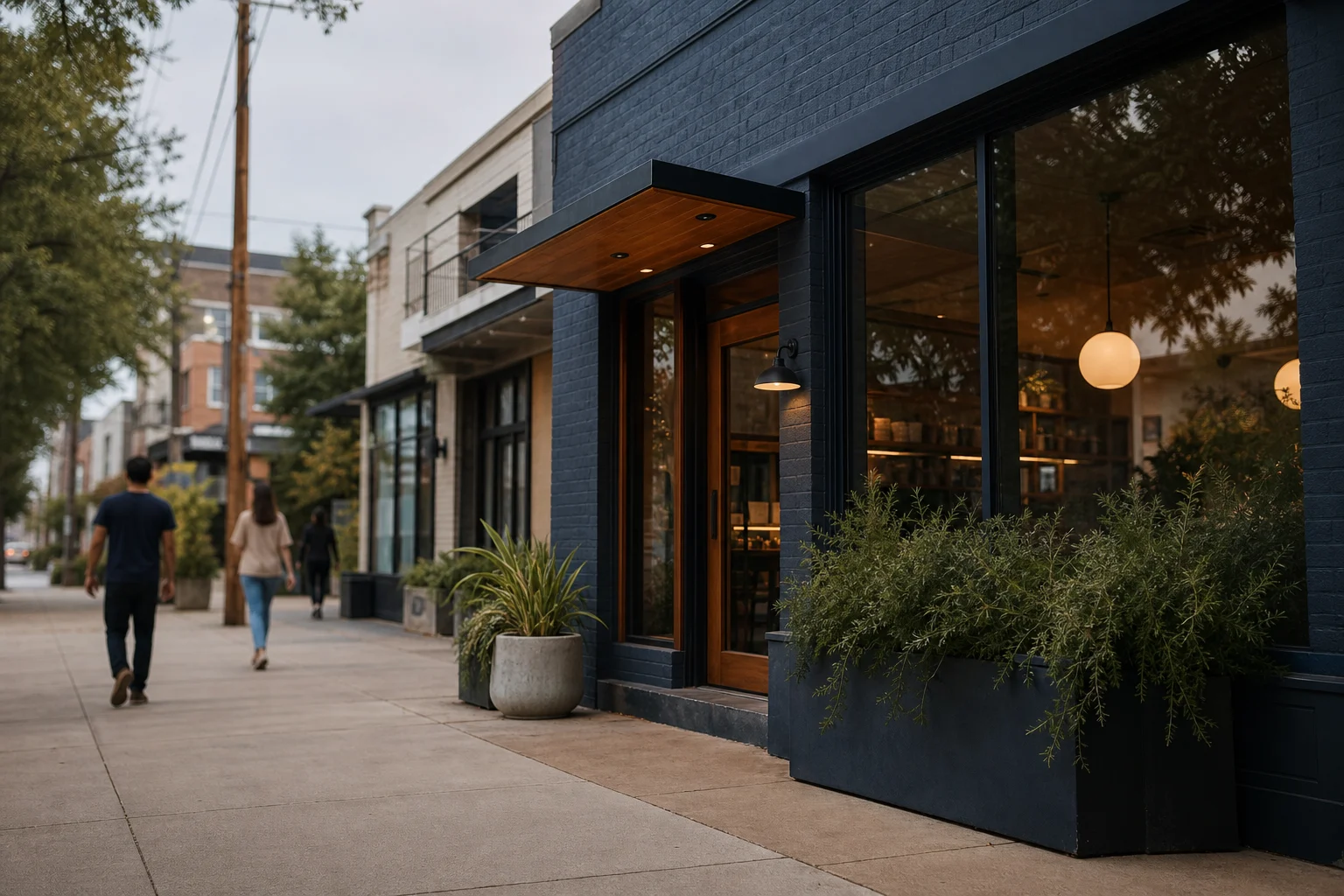
What equipment do you need to open a ramen and pho shop in Seattle?
The core equipment for a ramen and pho shop typically includes specialized cooking stations, storage solutions, and service equipment. For Seattle specifically, you'll need to consider equipment that can handle the city's unique climate and local ingredient requirements. Your equipment list should include:
- Large-volume noodle cookers or steamers
- Multiple soup simmering stations
- Specialized pho broth preparation equipment
- Rice cooker systems
- Refrigeration for fresh ingredients
- Prep tables and cutting stations
- POS systems compatible with Seattle's payment preferences
- Dishwashing and sanitation equipment
Seattle's established ramen and pho shops like Lucky's Pho in Fremont and Nuna Ramen in the same neighborhood have invested in high-quality equipment that handles their specific menu offerings. These operators understand that the right equipment supports consistent quality across their signature dishes like pho broth and ramen noodles.
Buildout cost categories
Plumbing and electrical
Seattle's building codes require specific plumbing and electrical configurations for commercial kitchens. Your buildout will need to accommodate:
- High-volume water lines for noodle cooking and dishwashing
- Gas lines for soup simmering stations
- Dedicated electrical circuits for refrigeration and cooking equipment
- Grease trap installation as required by Seattle's plumbing codes
- Emergency shut-off systems
The U-District, with its rent band of $31-$110/sqft/yr NNN, often requires more extensive plumbing upgrades in older buildings. Many successful ramen shops in this area, including Pho Shizzle and Slurp Station Aburasoba, have invested in custom plumbing solutions to handle their high-volume operations.
HVAC and ventilation
Proper ventilation is critical for ramen and pho shops due to the steam and aromas generated during cooking. Seattle's building codes mandate specific ventilation requirements that can significantly impact your buildout costs. You'll need:
- Commercial-grade exhaust hoods
- Make-up air systems
- Fire suppression integration
- Climate control systems that handle Seattle's variable weather
Fremont, with its rent band of $31-$110/sqft/yr NNN, has many buildings that require HVAC upgrades to meet commercial kitchen standards. Lucky's Pho and Nuna Ramen have both invested in robust ventilation systems to maintain kitchen air quality and comply with local regulations.
Flooring and finishes
Commercial kitchen flooring in Seattle must meet specific durability and safety standards. Your buildout will likely include:
- Non-slip, easy-to-clean flooring materials
- Wall finishes that resist grease and steam
- Customized storage solutions
- Service counter configurations
Madrona/Leschi, with its rent band of $31-$110/sqft/yr NNN, presents opportunities for creative flooring solutions that balance durability with aesthetic appeal. Many successful ramen shops in this area have chosen flooring that complements their brand while meeting Seattle's health code requirements.
Permits-driven items
Seattle's permitting process for commercial kitchens involves several key items that impact your buildout:
- Health department approvals for food preparation areas
- Fire department inspections for cooking equipment
- Building department sign-off on structural modifications
- Business license requirements specific to food service
Roosevelt, with its rent band of $31-$110/sqft/yr NNN, has a streamlined permitting process for new food establishments. An Nam Pho on Roosevelt Way successfully navigated these requirements by working with local contractors familiar with Seattle's specific building codes.
Furniture and signage
Your buildout extends beyond the kitchen to customer-facing areas:
- Custom seating arrangements optimized for ramen and pho dining
- Brand-appropriate signage that complies with Seattle's sign ordinances
- Service counter design that facilitates quick order fulfillment
- Waiting area configurations that manage customer flow
Equipment line items to validate in Seattle
When planning your equipment purchases for a Seattle ramen and pho shop, consider these specific line items:
- Noodle cooking stations capable of handling high volume during peak hours
- Pho broth simmering systems that maintain consistent temperature
- Rice cooker capacity matching your expected customer volume
- Refrigeration systems sized for Seattle's fresh ingredient sourcing
- Dishwashing equipment that meets Seattle's water conservation standards
- POS systems integrated with Seattle's popular delivery platforms
Seattle's established operators like Xi'an Noodles have invested in equipment that handles their specific menu demands while optimizing kitchen workflow. Their success demonstrates the importance of matching equipment capacity to expected customer volume.
How established operators in Seattle configure their kitchens
Seattle's most successful ramen and pho shops have developed kitchen configurations that maximize efficiency while maintaining food quality:
- Xi'an Noodles in the U-District utilizes a dedicated noodle preparation station separate from soup production, allowing for specialized focus on their signature Xi'an-style dishes.
- Lucky's Pho in Fremont has invested in multiple pho broth simmering stations to ensure consistent quality across their menu offerings.
- Nuna Ramen in Fremont employs a streamlined prep system that supports their ramen-focused menu while maintaining flexibility for daily specials.
These operators understand that Seattle customers expect both quality and consistency. Their kitchen configurations reflect a deep understanding of local preferences and operational demands.
Used vs. new vs. lease
Seattle's restaurant equipment market offers several options for new business owners:
- New equipment provides warranty protection and the latest technology but comes with higher upfront costs
- Used equipment can reduce initial investment but may require more maintenance
- Leased equipment preserves capital but increases long-term costs
Many successful Seattle ramen shops, including Samurai Noodle in the U-District, have started with a mix of new and used equipment, prioritizing reliability for critical systems while being more flexible with secondary equipment.
Buildout timeline
Seattle's permitting process for commercial kitchens typically follows this timeline:
- Permit application: a variable local timeline
- Plan review: a variable local timeline
- Construction: a variable local timeline
- Final inspections: a variable local timeline
The U-District, with its concentration of food establishments, has a more established permitting process that can be navigated more efficiently by experienced contractors. Many successful ramen shops in this area have worked with local contractors who understand the specific requirements of Seattle's building department.
Common buildout overruns
Seattle ramen shop owners frequently encounter these buildout challenges:
- Unexpected plumbing upgrades in older buildings
- Ventilation system modifications to meet city codes
- Delays in permit approvals during peak construction seasons
- Custom equipment installation requirements
- Utility connection timing issues
Pho Than Brothers in the U-District experienced some of these challenges during their buildout, ultimately investing in additional ventilation capacity that improved kitchen operations and customer experience.
| Neighborhood | Locavisor score | Rent band | Local operator signal | Founder validation check |
|---|---|---|---|---|
| U-District (University District) | 7.1/10 | $31-$110/sqft/yr NNN | Xi'an Noodles, Slurp Station Aburasoba - UW | Check utility capacity, ventilation, plumbing, storage, and fixture layout. |
| Wallingford | 6.8/10 | $31-$110/sqft/yr NNN | Pho Than Brothers | Check utility capacity, ventilation, plumbing, storage, and fixture layout. |
| Fremont | 6.4/10 | $31-$110/sqft/yr NNN | Lucky's Pho, Nuna Ramen | Check utility capacity, ventilation, plumbing, storage, and fixture layout. |
| Madrona / Leschi | 6.3/10 | $31-$110/sqft/yr NNN | No direct operator listed | Check utility capacity, ventilation, plumbing, storage, and fixture layout. |
| Roosevelt | 6.3/10 | $31-$110/sqft/yr NNN | An Nam Pho on Roosevelt Way | Check utility capacity, ventilation, plumbing, storage, and fixture layout. |
FAQ
What's the typical equipment budget for a ramen and pho shop in Seattle?
Equipment costs vary significantly based on size, quality, and whether you choose new or used equipment. Seattle's established operators like Lucky's Pho and Nuna Ramen invested in equipment that balances quality with operational efficiency, with costs distributed across critical systems like cooking, refrigeration, and dishwashing.
Do I need special equipment for Seattle's climate?
Seattle's climate doesn't require specialized equipment, but you should consider how temperature fluctuations might affect ingredient storage and preparation. Many successful ramen shops in the area, including those in Fremont and Roosevelt, have invested in climate-controlled storage solutions to maintain ingredient quality throughout the year.
How do I choose between different noodle cooking systems?
Your choice depends on your menu focus and expected volume. Seattle's popular ramen shops like Xi'an Noodles and Samurai Noodle have selected equipment that matches their specific noodle preparation methods, with many opting for systems that allow for batch cooking while maintaining consistent quality.
Last reviewed: 2026-05-30
Sources: U.S. Census Bureau ACS, LEHD LODES, Google Places, OpenStreetMap, Locavisor neighborhood scoring.
Methodology: Locavisor scores neighborhoods across demand, competition fit, rent fit, accessibility, and customer match. Scores reflect a snapshot of recent data and should be combined with on-the-ground research before lease decisions.
Disclaimer: This article provides informational content only and does not constitute legal, financial, accounting, or real-estate advice. Verify lease terms, licensing, local regulations, costs, and professional requirements with qualified local professionals before making business decisions.
Free preview shows top 3 neighborhoods. Full $9.99 report covers all 10 areas with personalized scoring + 90-day check-ins.
Informational only. Verify lease, licensing, local regulations, costs, and professional requirements with qualified local professionals.