Houston, TX · hair salon
Hair salon equipment costs Houston
Planning a hair salon in Houston requires careful consideration of equipment and buildout costs. The right equipment setup impacts both client experience and operational efficiency. Houston's diverse neighborhoods offer different opportunities and challenges for salon entrepreneurs. 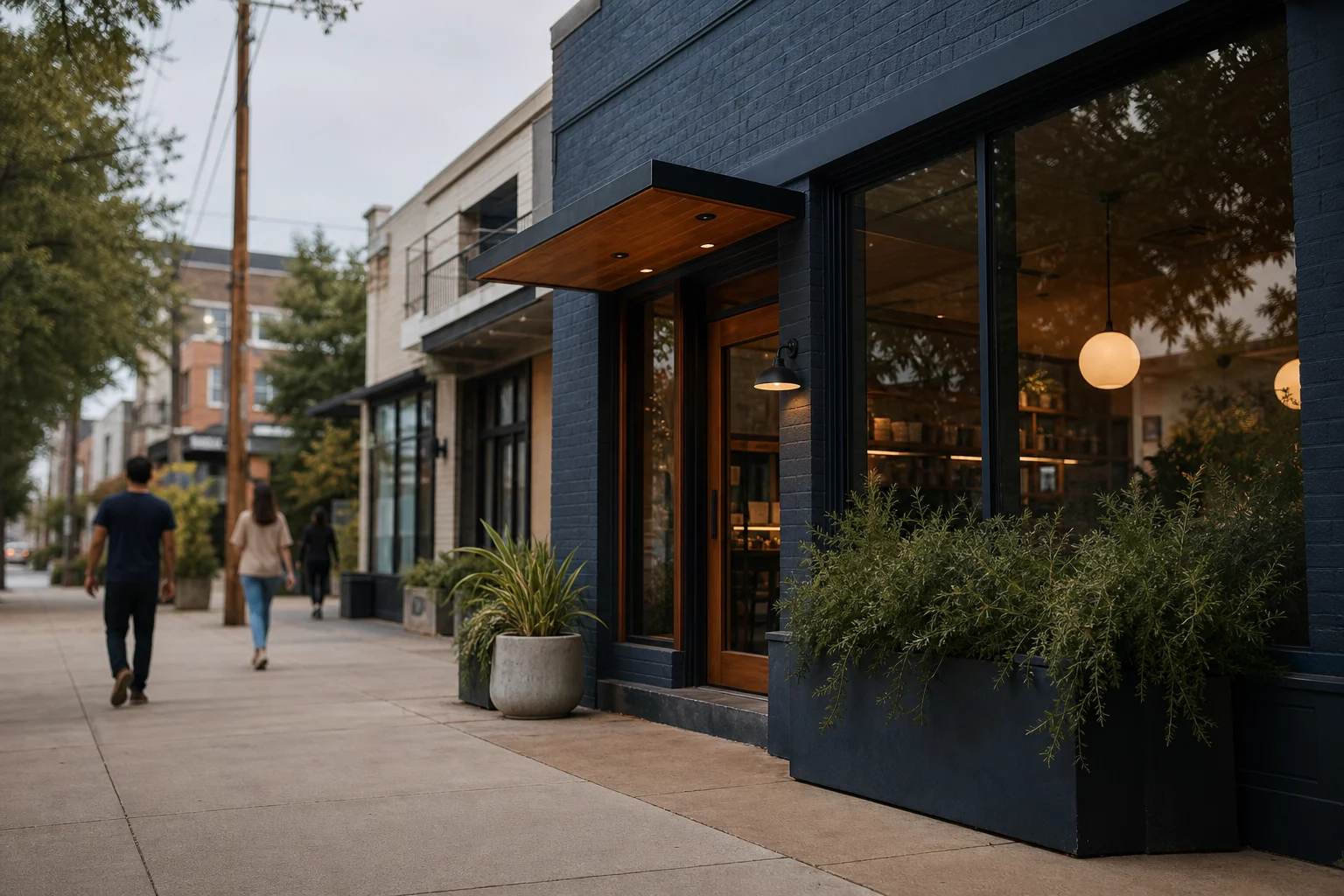
Equipment Categories by Launch Format
Hair salon equipment falls into several key categories that vary based on your salon format. Full-service salons require more comprehensive equipment than specialized studios or barbershops. The equipment needs will differ significantly between a high-end luxury salon and a budget-friendly neighborhood establishment.
Styling stations form the backbone of most hair salons. Each station typically includes a chair, mirror, storage, and electrical outlets. The number of stations you need depends on your business model and target capacity. Spring Branch offers a value corridor with strong lunch-time office demand and solid residential density, making it an attractive location for a medium-budget salon concept.
Shampoo stations represent another critical investment. These units often include reclining chairs, sinks, and plumbing connections. The positioning of shampoo stations relative to styling areas affects workflow efficiency. In Greenway Plaza / Upper Kirby, a high-demand office-and-residential corridor with city-leading daytime population density, you'll find four salon competitors within 800m, indicating proven demand but also a competitive field.
Color processing areas require specialized ventilation and plumbing considerations. These stations need proper chemical waste disposal systems and adequate space for mixing and application. The Energy Corridor, an office-dominant suburban cluster anchored by Conoco/Shell/BP campuses, has only one salon competitor within 100m, suggesting lower direct competition but potentially different client expectations.
Reception and waiting area furniture creates the first impression for clients. This includes seating, check-in stations, and display areas for retail products. The rent level across all three top Houston areas is roughly $30-50/sqft NNN, which influences how much budget you can allocate to reception elements versus core equipment.
Back-of-house equipment includes laundry systems, storage solutions, and break room necessities. These items don't directly generate revenue but support smooth operations. The market temperature in Houston is mixed, affecting how quickly you might need to expand your back-of-house capacity as your client base grows.
Buildout Assumptions That Change the Budget
Buildout requirements vary significantly between different Houston neighborhoods and property types. New construction offers a blank canvas but comes with higher initial costs. Existing spaces may require less structural work but often need updates to meet salon-specific requirements.
Plumbing considerations often represent the most expensive buildout element. Shampoo stations, color processing areas, and restrooms require proper drainage and water supply lines. In Spring Branch, where rent levels are low, you might find spaces with existing plumbing that can be adapted, reducing this major expense.
Electrical systems must support multiple high-heat appliances simultaneously. Hair dryers, curling irons, and color processors place significant demands on electrical circuits. Greenway Plaza / Upper Kirby's strong parking access influences how easily contractors can access your space for electrical upgrades.
Flooring choices impact both aesthetics and functionality. Commercial-grade flooring must withstand chemical exposure, heavy foot traffic, and frequent cleaning. The competition density in Houston's top areas is medium, meaning your flooring choices should help differentiate your salon while meeting practical requirements.
Ventilation systems are critical for chemical processing areas. Proper exhaust systems protect both client and staff health while maintaining air quality. The Energy Corridor's office-dominant nature means you might need to install more robust ventilation than in areas with more residential zoning.
Ceiling height affects lighting options and overall ambiance. Higher ceilings allow for more dramatic lighting designs but may require additional investment in HVAC systems to maintain comfortable temperatures. The score confidence in Locavisor's neighborhood data is 78%, providing reliable guidance on building characteristics across Houston's top areas.
New vs Used Equipment Tradeoffs
New equipment offers the latest technology and often comes with manufacturer warranties. Modern styling chairs may feature improved ergonomics for both clients and stylists. Energy-efficient dryers can reduce long-term utility costs, particularly important given Houston's hot climate where air conditioning represents a significant expense.
Used equipment presents immediate cost savings but carries higher maintenance risks. Older shampoo units may develop leaks that water damage floors and cabinetry. The vintage of the equipment matters less than its maintenance history and condition before purchase.
Financing options differ between new and used equipment purchases. Many manufacturers offer leasing programs for new equipment, preserving capital for other startup expenses. Used equipment typically requires upfront payment but may offer better value if purchased from a going-out-of-business sale.
Compatibility concerns arise when mixing new and used equipment. Electrical requirements may differ between generations of appliances, potentially requiring additional wiring or adapters. The data vintage of 2026-05 snapshot provides current market conditions for evaluating equipment investments.
Aesthetic considerations influence client perception. New equipment creates a cohesive, modern look that can justify premium pricing. Used equipment with visible wear may need cosmetic updates to maintain a professional appearance, particularly in competitive markets like Greenway Plaza / Upper Kirby where four salon competitors already operate.
What to Inspect in a Second-Generation Space
Existing salon spaces offer both opportunities and challenges for new owners. The previous tenant's equipment layout may inform your own design decisions, but modifications will likely be necessary. Thorough inspection before lease signing prevents costly surprises after move-in.
Plumbing infrastructure should be tested for leaks and proper drainage. Old pipes may corrode, leading to water damage and expensive repairs. In Spring Branch, where the lone nearby salon competitor is a small operator, you might find spaces with well-maintained plumbing that requires minimal updates.
Electrical systems need evaluation for capacity and safety. Outdated wiring may not support modern equipment loads, creating fire hazards. The Energy Corridor's office-dominant cluster means electrical systems may be designed for computers rather than high-heat salon equipment, requiring professional assessment.
Floor condition affects both installation costs and longevity. Warped or damaged flooring may need complete replacement before new equipment installation. Greenway Plaza / Upper Kirby's strong parking access suggests good building maintenance, but individual spaces may vary significantly.
Ventilation ducts should be inspected for proper function and cleanliness. Old ducts may harbor bacteria or have inadequate airflow for chemical processing. The market temperature in Houston is mixed, affecting how quickly you might need to expand ventilation capacity as your business grows.
Storage solutions built into existing spaces may save on cabinetry costs. Custom shelving and cabinets designed for salon use can be valuable assets. The rent level across all three top Houston areas is roughly $30-50/sqft NNN, making efficient use of existing storage particularly budget-friendly.
FAQ
What equipment do I need for A Hair Salon in Houston?
A basic hair salon in Houston requires styling stations with chairs and mirrors, shampoo stations with plumbing, hair dryers, styling tools, color processing equipment, reception furniture, and back-of-house amenities. The specific equipment needs vary based on your salon format, whether you offer full services, specialize in certain treatments, or operate as a barbershop.
How does Houston's neighborhood choice affect equipment costs?
Houston's neighborhoods impact equipment costs through rent levels, competition density, and market temperature. Areas like Spring Branch offer lower rent levels ($30-50/sqft NNN), allowing more budget for quality equipment. Greenway Plaza / Upper Kirby has higher competition density with four salon competitors within 800m, potentially requiring more investment in premium equipment to differentiate your business.
Should I buy new or used equipment for my Houston salon?
New equipment offers warranties and modern technology but costs more upfront. Used equipment provides immediate savings but carries higher maintenance risks. Consider your budget, business model, and the specific equipment type when making this decision. Critical items like shampoo units may warrant new purchases, while less frequently used items might be suitable used purchases.
What buildout factors should I consider before leasing a space in Houston?
Key buildout factors include plumbing capacity for shampoo and color processing stations, electrical systems to support multiple high-heat appliances, flooring that withstands chemicals and traffic, ventilation for chemical processing areas, and ceiling height for lighting design. Each Houston neighborhood may have different requirements and costs associated with these buildout elements.
How does competition in Houston's top salon areas affect equipment planning?
Competition density influences equipment planning by setting client expectations. In areas like Energy Corridor with only one salon competitor within 100m, you might focus on equipment that serves the specific office worker demographic. In more competitive areas like Greenway Plaza / Upper Kirby, equipment choices should help differentiate your salon while meeting or exceeding industry standards.
Last reviewed: 2026-05-07
Sources: U.S. Census Bureau ACS, LEHD LODES, Google Places, OpenStreetMap, Locavisor neighborhood scoring.
Methodology: Locavisor scores neighborhoods across demand, competition fit, rent fit, accessibility, and customer match. Scores reflect a snapshot of recent data and should be combined with on-the-ground research before lease decisions.
Disclaimer: This article provides informational content only and does not constitute legal, financial, accounting, or real-estate advice. Verify lease terms, licensing, local regulations, costs, and professional requirements with qualified local professionals before making business decisions.
Free preview shows top 3 neighborhoods. Full $9.99 report covers all 10 areas with personalized scoring + 90-day check-ins.
Informational only. Verify lease, licensing, local regulations, costs, and professional requirements with qualified local professionals.