Minneapolis, MN · hair salon
Hair salon equipment costs Minneapolis
Opening a hair salon in Minneapolis requires careful planning around equipment and buildout costs. The equipment you choose and how you configure your space will directly impact your operational efficiency and customer experience. Minneapolis offers several promising neighborhoods for salon businesses, each with its own characteristics that influence equipment decisions and buildout planning.
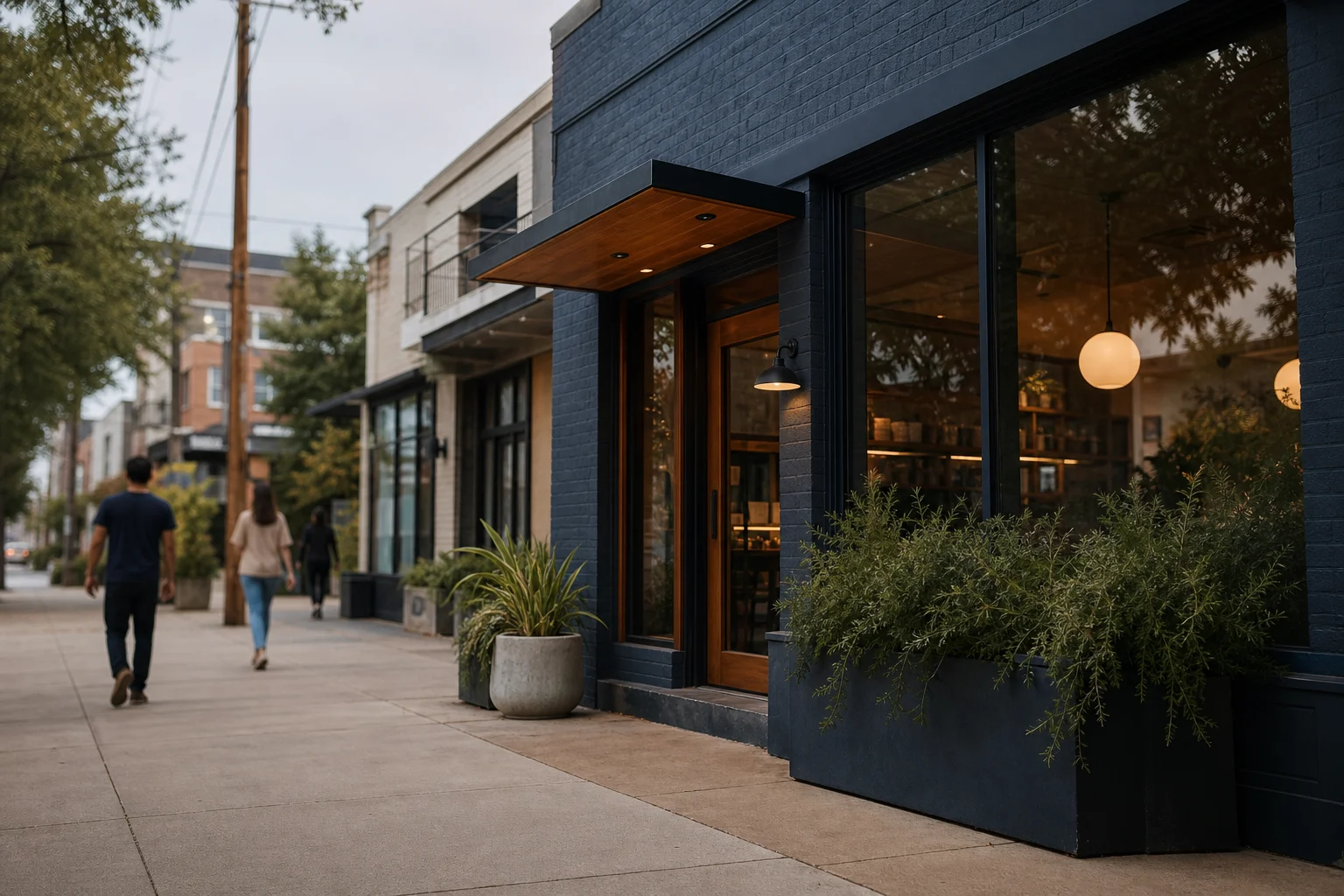
What equipment do you need to open a hair salon in Minneapolis?
The core equipment for a hair salon typically includes styling chairs, shampoo stations, dryers, mirrors, and various styling tools. However, the specific configuration depends on your salon's concept and the space you secure. In Minneapolis, you'll need to consider local factors like rent bands, utility infrastructure, and competition when selecting your equipment.
Minneapolis neighborhoods like Lake Street / Powderhorn (overall score 6.0/10, rent band $13-$33/sqft/yr NNN) and North Loop (overall score 5.9/10, rent band $13-$33/sqft/yr NNN) have established salon businesses that can serve as benchmarks. For example, Lake Street / Powderhorn hosts salons like Lupita Nail Salon, Eclipse Beauty Salon, and Essence beauty salon, while North Loop features Meraki Hair Lounge and HAUS Salon North Loop.
When planning your equipment needs, consider:
- Number of styling stations based on your target square footage
- Type of shampoo stations (backwash or side wash)
- Dryer configuration (wall-mounted or free-standing)
- Storage solutions for products and tools
- Reception and waiting area furniture
- Lighting design for optimal visibility
Your equipment choices should align with the rent band of your chosen location. Higher rent bands in prime areas like Lake Street / Powderhorn may justify investing in premium equipment to attract discerning clients, while more budget-conscious locations might require a different approach.
Buildout cost categories
Plumbing and electrical
Plumbing and electrical work represents a significant portion of your buildout costs. In Minneapolis, you'll need to ensure your salon meets local building codes and can handle the specific demands of salon operations.
For plumbing, you'll need:
- Water supply lines for shampoo stations
- Drainage for backwash units
- Hot water systems
- Possibly a separate water heater for color processing
Electrical considerations include:
- Sufficient power for multiple styling stations
- Proper lighting (task, ambient, and accent)
- Outlets for dryers and other equipment
- Possibly dedicated circuits for color processing equipment
The rent bands in Minneapolis neighborhoods like Lowry Hill (overall score 5.9/10, rent band $13-$33/sqft/yr NNN) and Downtown (overall score 5.8/10, rent band $13-$33/sqft/yr NNN) reflect the commercial nature of these areas, which typically means better infrastructure but also potentially higher buildout costs for bringing a space up to salon standards.
HVAC and ventilation
Proper HVAC and ventilation are critical for a hair salon, both for client comfort and employee health. Minneapolis experiences distinct seasons, making climate control essential year-round.
Key considerations:
- Ventilation for chemical fumes from coloring products
- Humidity control to protect both hair and equipment
- Air filtration systems
- Zoning for different areas of the salon
In neighborhoods like Cedar-Riverside (overall score 5.6/10, rent band $13-$33/sqft/yr NNN), where spaces may be older or have different infrastructure, you may need to budget more for HVAC upgrades.
Flooring and finishes
Flooring and finishes impact both the aesthetic and functionality of your salon. In a high-traffic environment like a hair salon, durability is as important as appearance.
Common options:
- Slip-resistant flooring in wet areas
- Easy-to-clean surfaces
- Sound-dampening materials
- Aesthetic finishes that reflect your brand
The rent bands across Minneapolis neighborhoods suggest a range of property conditions. In established commercial areas, you may find spaces with better existing finishes, while in up-and-coming areas, you might need to invest more in creating the desired look.
Permits-driven items
Building permits and inspections are mandatory for salon construction. In Minneapolis, you'll need to work with the city's regulatory bodies to ensure compliance.
Typical permit requirements:
- Plumbing permits
- Electrical permits
- Building permits for structural changes
- Health department approvals
- Fire safety compliance
These requirements can add time and cost to your buildout. Working with experienced contractors familiar with Minneapolis regulations can help streamline this process.
Furniture and signage
Furniture and signage complete your salon's look and functionality. In Minneapolis, where competition includes established players like Meraki Hair Lounge and HAUS Salon North Loop, your interior design and branding need to stand out.
Considerations:
- Custom or modular furniture
- Reception desk and waiting area seating
- Product display solutions
- Exterior signage that complies with local regulations
- Interior wayfinding and branding elements
Equipment line items to validate in Minneapolis
When sourcing equipment for your Minneapolis salon, consider these specific line items:
- Styling chairs - The primary workstations where most services are performed
- Shampoo stations - Critical for client comfort and efficiency
- Dryer stations - Can be wall-mounted or free-standing
- Mirrors - Essential for both function and aesthetics
- Color processing stations - May require specialized ventilation
- Storage solutions - For tools, products, and supplies
- Reception furniture - First impression for clients
- Waiting area seating - Comfortable and appropriately sized
- Lighting - Task lighting for workstations and ambient lighting for atmosphere
- Product display - For retail sales
In neighborhoods like Lake Street / Powderhorn, where multiple salons operate, you can observe how competitors configure their spaces. For example, Eclipse Beauty Salon and Essence beauty salon both operate in this area, offering potential insights into local preferences.
How established operators in Minneapolis configure their kitchens
While hair salons don't have traditional kitchens, the workspace configuration is crucial for efficiency. Established Minneapolis operators have developed effective layouts.
Common configurations:
- Linear stations along walls
- Island configurations for central work areas
- Zoned areas for different services (cutting, coloring, styling)
- Efficient product storage near workstations
- Client flow that minimizes cross-traffic
HAUS Salon North Loop, with its 509 reviews, likely has a well-optimized layout that balances client experience with operational efficiency. Observing such established businesses can provide valuable insights for your own space planning.
Equipment comparison: New vs. Used vs. Leased
| Option | Advantages | Considerations |
|---|---|---|
| New Equipment | Warranty protection, latest features, potential tax benefits | Higher upfront cost |
| Used Equipment | Lower initial investment, potentially immediate availability | Risk of maintenance issues, may lack modern features |
| Leased Equipment | Lower initial outlay, ability to upgrade regularly | Ongoing payment obligations, possible usage restrictions |
The decision depends on your budget, timeline, and long-term business strategy. In competitive Minneapolis markets, having reliable, modern equipment can be a differentiator.
Used vs. new vs. lease
When acquiring equipment for your Minneapolis salon, you have several options:
Used equipment:
- Lower upfront cost
- Potential for immediate availability
- Risk of maintenance issues
- May lack latest features
New equipment:
- Warranty protection
- Latest technology and features
- Higher upfront investment
- Potential tax benefits
Leased equipment:
- Lower initial outlay
- Ability to upgrade regularly
- Ongoing payment obligations
- Possible restrictions on usage
The decision depends on your budget, timeline, and long-term business strategy. In competitive Minneapolis markets, having reliable, modern equipment can be a differentiator.
Buildout timeline
The buildout timeline for a Minneapolis hair salon depends on several factors:
- Space condition - Renovating an existing salon space is typically faster than building from scratch
- Permit processing - Minneapolis city processes can vary in timing
- Contractor availability - Demand for construction services may affect scheduling
- Weather considerations - Minnesota's climate can impact exterior work
- Equipment delivery - Lead times for specialized salon equipment
A realistic timeline allows for unexpected delays and ensures your salon opens on schedule.
Common buildout overruns
Several factors commonly lead to budget overruns in salon buildouts:
- Unexpected structural issues - Older buildings may have hidden problems
- Permit delays - Changes during the process can extend timelines
- Equipment upgrades - Deciding on better quality during installation
- Design changes - Mid-project modifications to layout or finishes
- Utility upgrades - Discovering the need for additional power or water capacity
Building in a contingency budget (typically 10-20% of your estimated costs) can help manage these surprises.
FAQ
What equipment do I need to open a hair salon in Minneapolis?
To open a hair salon in Minneapolis, you'll need styling chairs, shampoo stations, dryers, mirrors, and various styling tools. The specific configuration depends on your space and concept. Consider the rent band of your chosen location-areas like Lake Street / Powderhorn (rent band $13-$33/sqft/yr NNN) and North Loop (rent band $13-$33/sqft/yr NNN) have established salons that can serve as benchmarks.
How do Minneapolis neighborhoods affect equipment decisions?
Minneapolis neighborhoods vary in rent bands ($13-$33/sqft/yr NNN) and infrastructure. Established areas like Lake Street / Powderhorn and North Loop may have better utility infrastructure but higher rents, while areas like Cedar-Riverside might require more investment in HVAC and electrical upgrades. Observe local competitors like Meraki Hair Lounge and HAUS Salon North Loop for insights into effective configurations.
What are the biggest buildout cost categories for a Minneapolis hair salon?
The major buildout cost categories include plumbing and electrical work, HVAC and ventilation systems, flooring and finishes, permits-driven items, and furniture and signage. Plumbing and electrical are particularly critical as they form the foundation of your salon's functionality and must meet Minneapolis building codes.
Last reviewed: 2026-05-30
Sources: U.S. Census Bureau ACS, LEHD LODES, Google Places, OpenStreetMap, Locavisor neighborhood scoring.
Methodology: Locavisor scores neighborhoods across demand, competition fit, rent fit, accessibility, and customer match. Scores reflect a snapshot of recent data and should be combined with on-the-ground research before lease decisions.
Disclaimer: This article provides informational content only and does not constitute legal, financial, accounting, or real-estate advice. Verify lease terms, licensing, local regulations, costs, and professional requirements with qualified local professionals before making business decisions.
Free preview shows top 3 neighborhoods. Full $9.99 report covers all 10 areas with personalized scoring + 90-day check-ins.
Informational only. Verify lease, licensing, local regulations, costs, and professional requirements with qualified local professionals.