Phoenix, AZ · hair salon
Hair salon equipment costs Phoenix
Opening a hair salon in Phoenix means balancing equipment needs with buildout constraints, especially in a market where location and local competition shape every decision. The right setup starts with understanding what tools and infrastructure are non-negotiable, then aligning those choices with Phoenix's neighborhood dynamics and rent structures. This guide breaks down the equipment and buildout considerations founders face, grounded in local data and operator insights.
What equipment do you need to open a hair salon in Phoenix?
The core equipment list for a hair salon in Phoenix mirrors industry standards but requires Phoenix-specific validation. Key items include:
- Styling chairs and stations: Durable, ergonomic chairs with attached mirrors and storage.
- Washing stations: Sinks with hot/cold water, often paired with shampoo bowls.
- Dryers and styling tools: Wall-mounted or freestanding dryers, flat irons, curling irons, and blow dryers.
- Reception and waiting area furniture: Seating, a front desk, and point-of-sale (POS) systems.
- Storage solutions: Cabinets for supplies, towels, and product inventory.
- Safety and sanitation gear: Disinfection stations, gloves, and waste disposal systems.
These items form the backbone of a functional salon, but their selection depends on space layout, local utility access, and competition. For example, in high-rent areas like the Camelback Corridor (rent band $48/sqft/yr NNN), compact, multi-functional equipment may be necessary to maximize square footage.
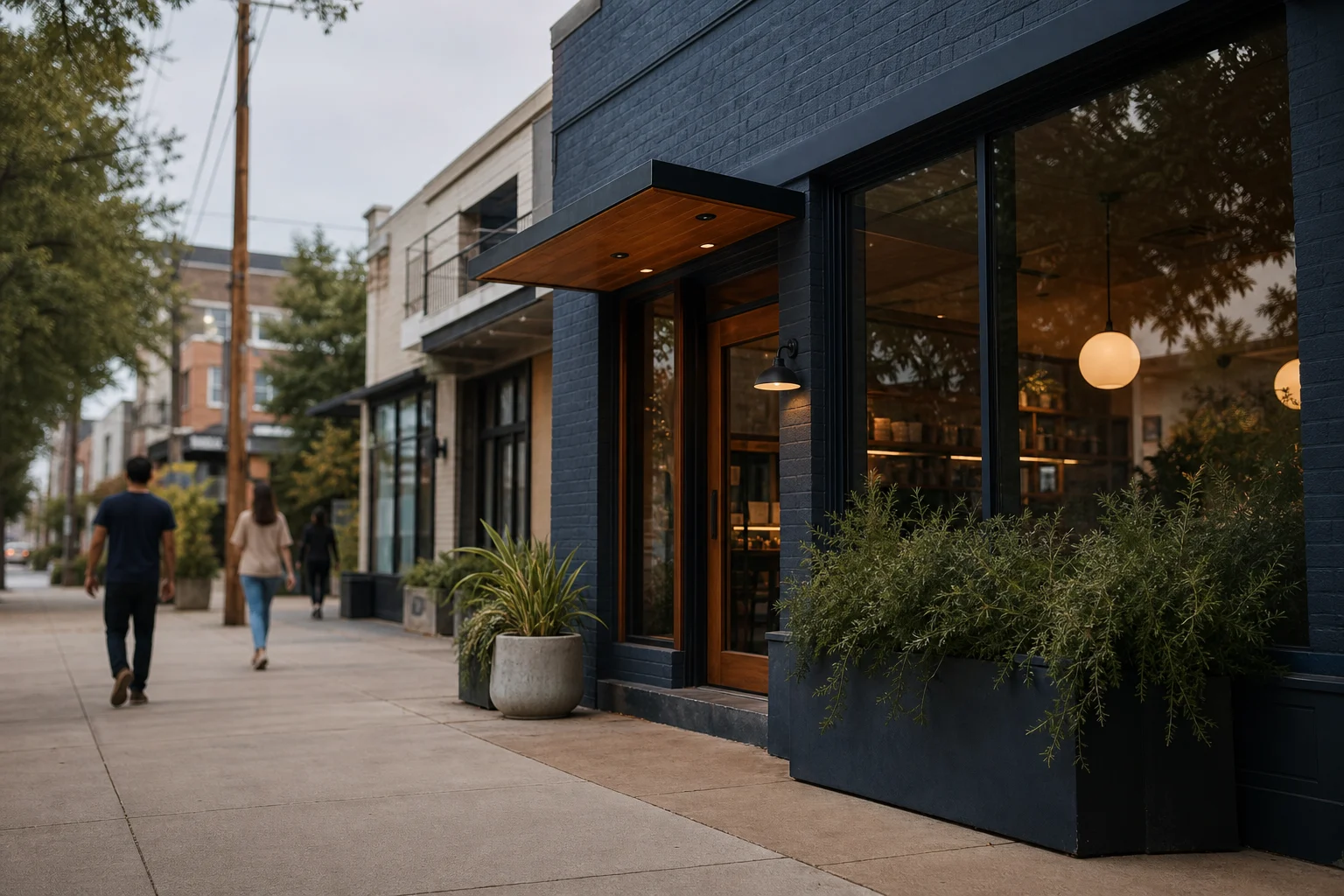
Buildout cost categories
Buildout costs in Phoenix vary by neighborhood, with rent bands and local regulations driving decisions. Below are the key categories founders must validate:
Plumbing and electrical
Hair salons demand robust plumbing for washing stations and electrical systems for styling tools. Phoenix's building codes require dedicated circuits for high-wattage equipment, and plumbing must handle constant water use. In neighborhoods like Biltmore (rent band $48/sqft/yr NNN), older buildings may need upgrades to meet these standards, increasing upfront costs.
HVAC and ventilation
Proper ventilation is non-negotiable to manage chemical fumes and heat. Phoenix's climate exacerbates this need, as high temperatures can strain HVAC systems. Salons in areas like Old Town Scottsdale (rent band $26-$65/sqft/yr NNN) must invest in systems that handle both cooling and air filtration, especially if using permanent dyes or relaxers.
Flooring and finishes
Durable, water-resistant flooring (e.g., vinyl or tile) is essential. In high-traffic areas like Camelback Corridor, where salons like Mane Attraction Salon and Drybar operate, finishes must withstand frequent foot traffic and product spills. Rent bands here ($48/sqft/yr NNN) mean founders may prioritize low-maintenance materials to reduce long-term upkeep.
Permits-driven items
Phoenix requires permits for plumbing, electrical, and HVAC work. Founders must verify with Maricopa County or the City of Phoenix which permits apply, as non-compliance can delay openings. For example, installing a new washing station may trigger plumbing inspections, adding time and cost.
Furniture and signage
Furniture must align with the salon's brand, but in rent-heavy areas like Arcadia (rent band $26-$65/sqft/yr NNN), modular or secondhand pieces can reduce costs. Signage must comply with local zoning, especially in historic districts like Roosevelt Row, where 1027 Hair Lounge operates.
Equipment line items to validate in Phoenix
Beyond basics, founders should validate:
- Dryer stations: Wall-mounted units save space in compact salons, common in Camelback Corridor.
- Color mixing stations: Dedicated areas for dye application, critical for salons like LaRoc Salon that offer coloring services.
- POS systems: Integrated tools for booking and payments, as seen in Roosevelt Row's The Salon Upstairs.
These items depend on service offerings and local demand. For instance, salons in Old Town Scottsdale may prioritize stations for braiding or natural hair care, reflecting client preferences.
How established operators in Phoenix configure their kitchens
Local salons offer clues on equipment layout. Drybar - Phoenix Camelback uses a minimalist setup with wall-mounted dryers to maximize space, while Mane Attraction Salon emphasizes private stations for personalized service. Great Clips, a chain, uses open layouts to handle high volume, a model that may suit areas with high foot traffic like Camelback Corridor.
In Roosevelt Row, 1027 Hair Lounge focuses on braids and locs, requiring specialized stations for intricate work. These examples show how equipment choices align with neighborhood demographics and service niches.
Used vs. new vs. lease
Phoenix's market supports all three options, but founders should weigh trade-offs:
- Used equipment: Cost-effective but may lack warranties. Salons like Claudia's Beauty Salon may sell used gear, offering savings.
- New equipment: Higher upfront cost but reliability. Drybar and LaRoc Salon use new tools for consistency.
- Leased equipment: Lowers initial outlay but increases long-term costs. Leasing is common in rent-heavy areas like Biltmore.
Buildout timeline
Phoenix's permitting process can take a variable local timeline, depending on neighborhood. For example, Camelback Corridor's commercial buildings may have stricter timelines due to high demand. Founders should factor in time for inspections and contractor availability, especially during peak construction seasons.
Common buildout overruns
Unexpected costs often stem from:
- Utility upgrades: Older buildings in Arcadia may need electrical panel upgrades.
- Permit delays: Zoning changes in Roosevelt Row can slow approvals.
- Material shortages: Supply chain issues affect flooring or plumbing fixtures.
Monitoring these risks early helps avoid budget overruns.
| Neighborhood | Locavisor score | Rent band | Local operator signal | Founder validation check |
|---|---|---|---|---|
| Camelback Corridor | 6.9/10 | $48/sqft/yr NNN | Drybar - Phoenix Camelback, Mane Attraction Salon | Check utility capacity, ventilation, plumbing, storage, and fixture layout. |
| Biltmore | 6.2/10 | $48/sqft/yr NNN | No direct operator listed | Check utility capacity, ventilation, plumbing, storage, and fixture layout. |
| Old Town Scottsdale | 6.1/10 | $26-$65/sqft/yr NNN | Arely's Beauty Salon, Essence hair studio llc | Check utility capacity, ventilation, plumbing, storage, and fixture layout. |
| Arcadia | 6.1/10 | $26-$65/sqft/yr NNN | No direct operator listed | Check utility capacity, ventilation, plumbing, storage, and fixture layout. |
| Roosevelt Row | 6.0/10 | $26-$65/sqft/yr NNN | 1027 Hair Lounge | Braids & Locs, The Salon Upstairs | Check utility capacity, ventilation, plumbing, storage, and fixture layout. |
FAQ
What equipment do I need to open a hair salon in Phoenix?
Essential equipment includes styling chairs, washing stations, dryers, styling tools, reception furniture, storage, and safety gear. Validate choices based on neighborhood space constraints (e.g., compact setups in Camelback Corridor) and service offerings (e.g., specialized stations for braiding in Roosevelt Row).
How do Phoenix rent bands affect equipment decisions?
Higher rent bands (e.g., $48/sqft/yr NNN in Camelback Corridor) push founders toward space-saving equipment. Lower bands (e.g., $26-$65/sqft/yr NNN in Old Town Scottsdale) allow for more flexible layouts but may require investing in durable materials to withstand varied foot traffic.
What permits are required for a hair salon buildout in Phoenix?
Permits for plumbing, electrical, and HVAC are mandatory. Verify with Maricopa County or the City of Phoenix, as requirements vary by neighborhood (e.g., historic districts like Roosevelt Row may have additional signage rules).
Last reviewed: 2026-05-30
Sources: U.S. Census Bureau ACS, LEHD LODES, Google Places, OpenStreetMap, Locavisor neighborhood scoring.
Methodology: Locavisor scores neighborhoods across demand, competition fit, rent fit, accessibility, and customer match. Scores reflect a snapshot of recent data and should be combined with on-the-ground research before lease decisions.
Disclaimer: This article provides informational content only and does not constitute legal, financial, accounting, or real-estate advice. Verify lease terms, licensing, local regulations, costs, and professional requirements with qualified local professionals before making business decisions.
Free preview shows top 3 neighborhoods. Full $9.99 report covers all 10 areas with personalized scoring + 90-day check-ins.
Informational only. Verify lease, licensing, local regulations, costs, and professional requirements with qualified local professionals.