San Diego, CA · hair salon
Hair salon equipment costs San Diego
Planning a hair salon in San Diego requires careful consideration of equipment and buildout costs. According to Locavisor neighborhood scoring from the 2026-05 snapshot, Liberty Station (6.8/10) stands out as the best area for a specialist salon in this fragmented market, offering daytime traffic plus low competitor density. The market temperature is promising with medium competition density and low rent levels, though this data carries a 78% confidence rating.
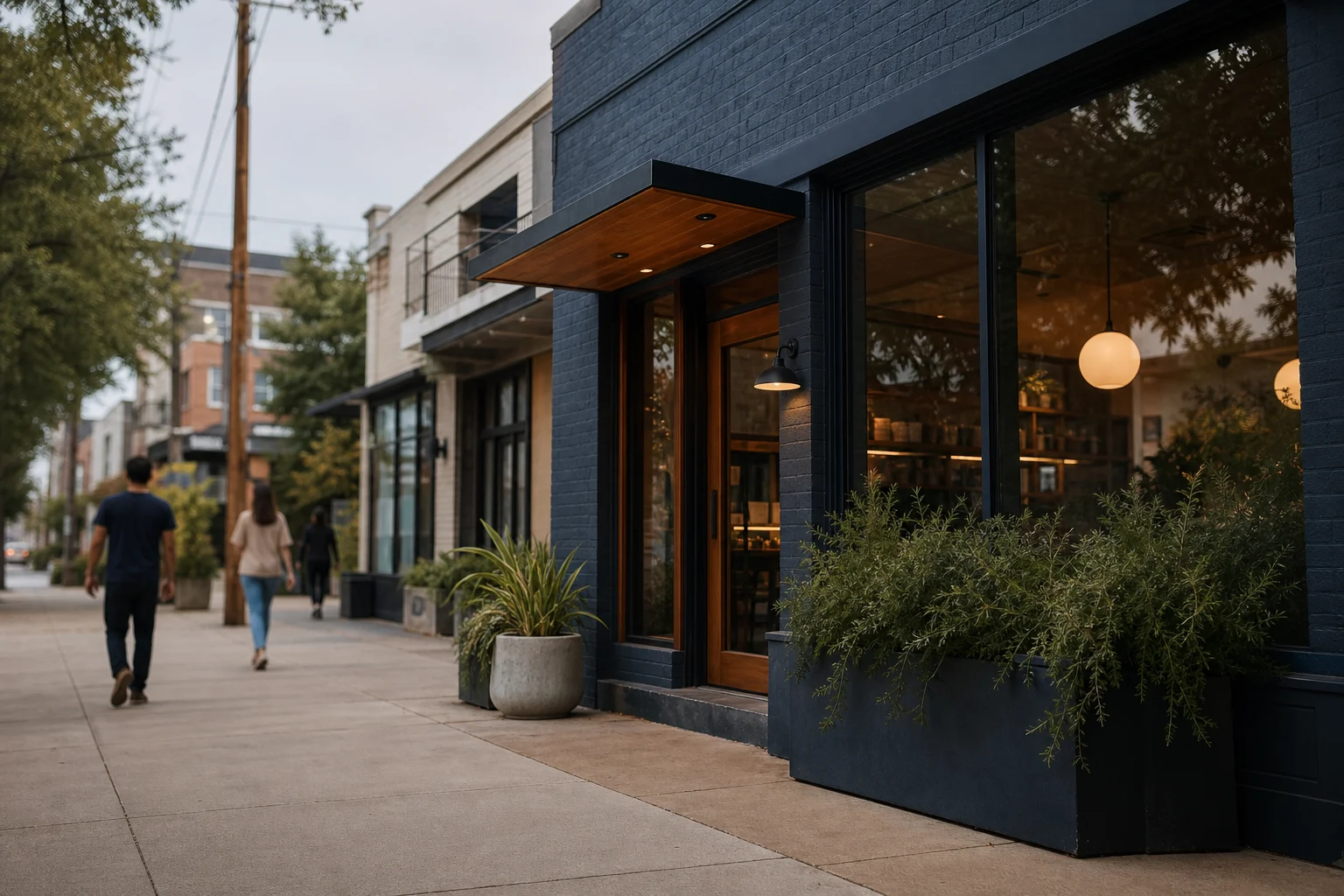
Equipment categories by launch format
Hair salon equipment costs in San Diego vary significantly based on your salon's format and concept. Full-service salons require more extensive equipment than specialized boutiques. The Liberty Station area's low rent level provides more flexibility for equipment investments compared to higher-cost areas. Your equipment choices directly impact operational efficiency and client experience.
Basic salon equipment includes styling stations, shampoo units, barber chairs, mirrors, and reception furniture. Color processing equipment represents another major investment, including mixing bowls, applicators, and processing units. San Diego's diverse clientele may influence your equipment needs, particularly in tourist-heavy areas like Old Town.
Specialized equipment varies by service offerings. Chemical services require ventilation systems and processing stations. Texture services need specialized equipment for perms and relaxers. San Diego's climate considerations may impact your ventilation requirements, especially in older buildings with existing infrastructure.
Buildout assumptions that change the budget
Buildout assumptions significantly impact your hair salon equipment costs in San Diego. Liberty Station's redeveloped former Naval Training Center presents different buildout challenges than Mission Hills' upscale historic corridor. Each location requires unique considerations for plumbing, electrical, and ventilation systems.
Plumbing requirements represent a major buildout consideration. Shampoo stations need proper drainage and water lines. Color processing areas require specialized plumbing for chemical disposal. San Diego's water quality may affect your equipment choices, particularly for water filtration systems.
Electrical capacity determines your equipment options. High-power color processing equipment requires dedicated circuits. Ventilation systems need substantial electrical support. Older buildings in areas like Old Town may require electrical upgrades to support modern salon equipment.
Ventilation systems impact both buildout costs and operational expenses. Chemical processing requires proper ventilation to meet health codes. San Diego's air quality considerations may influence your ventilation needs. The investment in proper ventilation protects both your staff and clients.
New vs used equipment tradeoffs
New equipment offers the latest technology and warranties but represents a significant investment. Used equipment reduces initial costs but may require more maintenance. San Diego's market temperature suggests that investing in quality equipment could provide better long-term returns.
New equipment provides energy efficiency benefits that reduce operating costs over time. Modern equipment often includes water-saving features that align with San Diego's conservation efforts. The latest technology can enhance client experience and service quality.
Used equipment requires careful inspection before purchase. Check for wear on moving parts and test all functions. San Diego's high tourist areas may see more equipment turnover, providing opportunities for quality used purchases. Verify that used equipment meets current safety standards.
The balance between new and used equipment depends on your specific needs and budget constraints. Core equipment like styling chairs may warrant new purchases. Less critical items like reception furniture might be purchased used. Your location's rent level influences how much you can allocate to equipment investments.
What to inspect in a second-generation space
Second-generation spaces offer potential cost savings but require thorough inspection. Liberty Station's daytime traffic from Liberty Public Market, coworking spaces, and Arts District visitors creates opportunities in existing spaces. However, each space presents unique challenges for equipment installation.
Plumbing infrastructure must support your equipment needs. Verify that existing pipes can handle additional shampoo stations and color processing areas. Check water pressure throughout the space, especially in multi-story buildings like those in Mission Hills.
Electrical systems need evaluation for capacity and safety. Older buildings in areas like Old Town may have outdated electrical systems. Ensure the existing wiring can support your equipment load without frequent tripping or fire hazards.
Ventilation requirements vary by service offerings. Chemical processing areas need specialized ventilation that may already exist in second-generation spaces. Test existing ventilation systems to ensure they meet health code requirements for your specific services.
Flooring condition impacts equipment installation and client experience. Check for uneven surfaces that could affect chair stability. Verify that flooring materials can withstand chemical exposure and frequent cleaning. San Diego's climate may affect flooring materials, particularly in spaces with high humidity.
FAQ
What equipment do I need for A Hair Salon in San Diego?
Basic equipment includes styling stations, shampoo units, barber chairs, and mirrors. Color processing equipment requires mixing bowls, applicators, and processing units. Ventilation systems are essential for chemical services. Your specific equipment needs depend on your salon's services and format.
How does location affect equipment costs in San Diego?
Liberty Station's low rent level provides more flexibility for equipment investments. Mission Hills' upscale historic corridor may require specialized equipment to match the area's aesthetic. Old Town's tourist-focused clientele may influence equipment choices for high-traffic areas.
What are the advantages of new versus used equipment?
New equipment offers the latest technology and warranties but costs more. Used equipment reduces initial investment but may require more maintenance. The balance depends on your budget and specific equipment needs.
How do buildout requirements impact equipment costs?
Plumbing, electrical, and ventilation systems significantly impact buildout costs. Each location presents unique infrastructure challenges. Existing spaces may require modifications to support specific equipment needs.
What should I consider when inspecting a second-generation space?
Evaluate plumbing infrastructure, electrical capacity, ventilation systems, and flooring condition. Ensure the existing systems can support your equipment requirements. Test all functions before committing to a space.
How does San Diego's climate affect salon equipment?
San Diego's climate may influence ventilation requirements and equipment cooling needs. The area's air quality considerations may affect filtration systems. Humidity levels could impact certain equipment performance and maintenance requirements.
What equipment considerations apply to different salon formats?
Full-service salons require more extensive equipment than specialized boutiques. Each format has unique equipment needs based on service offerings. Your concept should guide equipment investment priorities.
How does competition density affect equipment decisions?
Areas with medium competition density like Liberty Station allow for more specialized equipment investments. Highly competitive areas may require equipment that differentiates your services. Consider how your equipment choices position you relative to nearby competitors.
Last reviewed: 2026-05-07
Sources: U.S. Census Bureau ACS, LEHD LODES, Google Places, OpenStreetMap, Locavisor neighborhood scoring.
Methodology: Locavisor scores neighborhoods across demand, competition fit, rent fit, accessibility, and customer match. Scores reflect a snapshot of recent data and should be combined with on-the-ground research before lease decisions.
Disclaimer: This article provides informational content only and does not constitute legal, financial, accounting, or real-estate advice. Verify lease terms, licensing, local regulations, costs, and professional requirements with qualified local professionals before making business decisions.
Free preview shows top 3 neighborhoods. Full $9.99 report covers all 10 areas with personalized scoring + 90-day check-ins.
Informational only. Verify lease, licensing, local regulations, costs, and professional requirements with qualified local professionals.