Seattle, WA · hair salon
Hair salon equipment costs Seattle
Planning a hair salon in Seattle requires careful consideration of equipment costs and buildout planning. The city offers several promising neighborhoods for beauty businesses, each with unique characteristics that impact your equipment decisions. Locavisor neighborhood scoring identifies Madrona / Leschi (6.7/10), Eastlake / Cascade (6.7/10), and Fremont (6.6/10) as the top three areas for establishing a hair salon in Seattle. Understanding the equipment needs for different salon formats and how buildout requirements affect your budget is essential for making informed decisions.
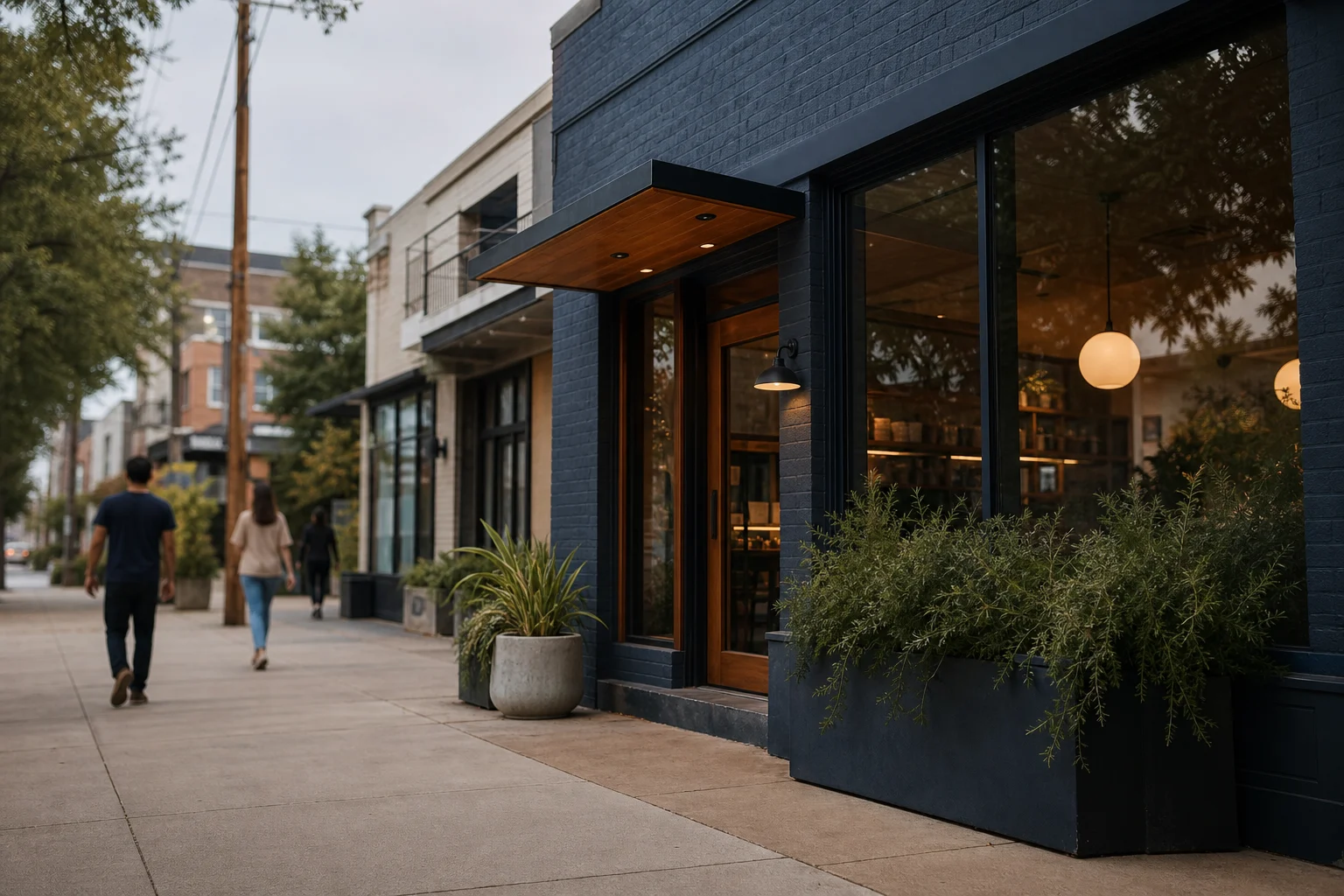
Equipment categories by launch format
Hair salon equipment needs vary significantly based on your chosen format. A full-service salon requires different equipment than a barbershop or a specialized salon focusing on specific services. The three top Seattle neighborhoods each support different salon formats based on their unique characteristics.
Madrona / Leschi leads the pack with strong walkability, dense residential base, and a tight cluster of existing beauty operators that validate demand. This area supports traditional salon formats with multiple stations for hair cutting, coloring, and styling. Equipment requirements would include multiple styling stations, shampoo units, hair dryers, and styling chairs.
Eastlake / Cascade sits adjacent to South Lake Union's tech employment hub with strong daytime worker density — approximately 10,500 weekday lunch workers within 800m. This area supports salon formats that can capture the lunchtime business crowd, potentially requiring more efficient equipment layouts and possibly express service stations.
Fremont is Seattle's iconic 'Center of the Universe' — high walkability, strong tourist draw (Fremont Troll, Sunday market), and dense residential. The area already supports multiple hair salons (Salon Ritual 4.9★, Adele Salon 4.8★, The Colour Distillery 4.9★) plus barbershops and nail salons — the beauty category is saturated. Equipment needs here might focus on differentiation through specialized equipment or premium styling stations.
Buildout assumptions that change the budget
Buildout requirements significantly impact your equipment budget. The rent level across all three top Seattle neighborhoods runs roughly $30-50/sqft NNN, which influences how much you can allocate to equipment versus space improvements.
In Madrona / Leschi, the dense residential base suggests a buildout that creates an inviting, neighborhood-focused environment. This might include more comfortable waiting areas and private consultation spaces, affecting equipment placement and potentially requiring additional furniture beyond core salon equipment.
Eastlake / Cascade's proximity to South Lake Union's tech employment hub suggests a buildout that appeals to professionals. This might include more modern, efficient equipment layouts and potentially technology integration for appointment management and client experience, which could affect equipment selection.
Fremont's established beauty market saturation means your buildout must differentiate your salon. This might require investing in higher-end equipment or specialized stations that competitors don't offer, potentially increasing your equipment budget but helping you stand out in a crowded market.
The market temperature across these areas is promising, suggesting that investing in quality equipment could yield good returns. However, the competition density varies—medium in Madrona / Leschi and Eastlake / Cascade, but higher in Fremont where the beauty category is saturated. This competition level should influence your equipment investment strategy.
New vs used equipment tradeoffs
Deciding between new and used equipment affects your initial investment and long-term costs. Each Seattle neighborhood presents different considerations for this decision.
Madrona / Leschi's tight cluster of existing beauty operators suggests a market familiar with salon standards. While new equipment might help establish your brand, used equipment from established salons could provide quality at lower costs, especially given the area's lower rent level.
Eastlake / Cascade's strong daytime worker density means high usage potential. New equipment might offer better reliability for a busy schedule, though the area's good parking access might make transporting larger used equipment more feasible.
Fremont's established salons with high ratings (Salon Ritual 4.9★, Adele Salon 4.8★, The Colour Distillery 4.9★) set a high standard. New equipment might help match these quality expectations, though carefully selected used equipment from premium brands could provide similar quality at reduced costs.
The score confidence of 78% across these areas suggests that equipment decisions should be based on thorough research rather than neighborhood data alone. Consider equipment warranties, maintenance requirements, and potential obsolescence when making new versus used decisions.
What to inspect in a second-generation space
If considering a second-generation space (previously a salon), thorough inspection of existing equipment and infrastructure is crucial. Each Seattle neighborhood presents different considerations for repurposing existing spaces.
In Madrona / Leschi, the dense residential base means existing salon spaces likely serve neighborhood clients. Inspect equipment for signs of heavy use and consider whether it aligns with the area's established beauty standards. The tight cluster of beauty operators suggests that quality equipment might be available from closing salons.
Eastlake / Cascade's proximity to South Lake Union's tech employment hub means existing salon equipment might have experienced heavy weekday usage. Check equipment maintenance records and test functionality thoroughly. The area's solid parking access makes transporting equipment more feasible if replacements are needed.
Fremont's saturated beauty market means second-generation spaces might have well-maintained equipment from established operators. However, the high competition also means that equipment might be heavily used. Inspect for wear and tear, particularly on high-use items like shampoo units and styling chairs.
Regardless of neighborhood, always verify that existing equipment meets current safety and sanitation standards. The 2026-05 data snapshot indicates that equipment standards may evolve, so ensure compliance with current regulations before committing to used equipment.
FAQ
What equipment do I need for A Hair Salon in Seattle?
Essential equipment for a Seattle hair salon includes styling stations, shampoo units, hair dryers, styling chairs, mirrors, wash stations, and color processing equipment. Additional needs may include reception furniture, waiting area seating, retail display units, and backwash stations. The specific equipment requirements depend on your salon format, services offered, and target clientele in your chosen Seattle neighborhood.
How does Seattle's neighborhood selection affect equipment needs?
Seattle's top neighborhoods each present different client demographics and business environments. Madrona / Leschi's residential base suggests equipment that serves regular neighborhood clients. Eastlake / Cascade's daytime worker density might require efficient equipment layouts for quick service. Fremont's tourist appeal might necessitate equipment that accommodates walk-in clients and specialized services.
Should I buy new or used equipment for my Seattle salon?
The decision between new and used equipment depends on your budget, business model, and neighborhood market. New equipment offers warranties and latest features but at higher costs. Used equipment can provide quality at lower costs but may require more maintenance. Consider your neighborhood's competition level and client expectations when making this decision.
How does buildout impact my equipment budget?
Buildout requirements can significantly affect your equipment budget. Spaces needing extensive plumbing or electrical work may require more of your budget allocated to construction rather than equipment. Neighborhoods with higher rent levels like Seattle's $30-50/sqft NNN range may require more efficient space utilization, affecting equipment placement and selection.
What should I look for when inspecting used salon equipment?
When inspecting used equipment, check for functionality, wear and tear, and compliance with current safety standards. Test all moving parts, check for electrical issues, and verify that plumbing components work properly. Consider the equipment's age, maintenance history, and potential repair costs. Equipment from established salons in competitive neighborhoods like Fremont might be more heavily used but could offer quality brands at reduced costs.
How does Seattle's market temperature affect equipment investment?
Seattle's promising market temperature suggests that investing in quality equipment could yield good returns. However, the competition density varies by neighborhood—medium in Madrona / Leschi and Eastlake / Cascade, but higher in Fremont. Consider your neighborhood's competitive landscape when deciding how much to invest in premium equipment versus basic functional equipment.
What equipment considerations are specific to Seattle's top neighborhoods?
Madrona / Leschi's residential base suggests equipment that serves regular clients with consistent appointment schedules. Eastlake / Cascade's daytime worker density might require equipment that accommodates quick service appointments. Fremont's tourist appeal might necessitate equipment that handles walk-in clients and offers specialized services. Each neighborhood's unique characteristics should inform your equipment selection and layout.
Last reviewed: 2026-05-08
Sources: U.S. Census Bureau ACS, LEHD LODES, Google Places, OpenStreetMap, Locavisor neighborhood scoring.
Methodology: Locavisor scores neighborhoods across demand, competition fit, rent fit, accessibility, and customer match. Scores reflect a snapshot of recent data and should be combined with on-the-ground research before lease decisions.
Disclaimer: This article provides informational content only and does not constitute legal, financial, accounting, or real-estate advice. Verify lease terms, licensing, local regulations, costs, and professional requirements with qualified local professionals before making business decisions.
Free preview shows top 3 neighborhoods. Full $9.99 report covers all 10 areas with personalized scoring + 90-day check-ins.
Informational only. Verify lease, licensing, local regulations, costs, and professional requirements with qualified local professionals.