Atlanta, GA · sandwich and deli shop
Sandwich and deli shop equipment costs Atlanta
Planning a sandwich and deli shop in Atlanta requires careful consideration of equipment costs and buildout requirements. The city offers several promising neighborhoods for this type of business, each with unique characteristics that impact your equipment decisions. Atlanta's sandwich and deli shop startup costs vary significantly based on location, format, and equipment choices.
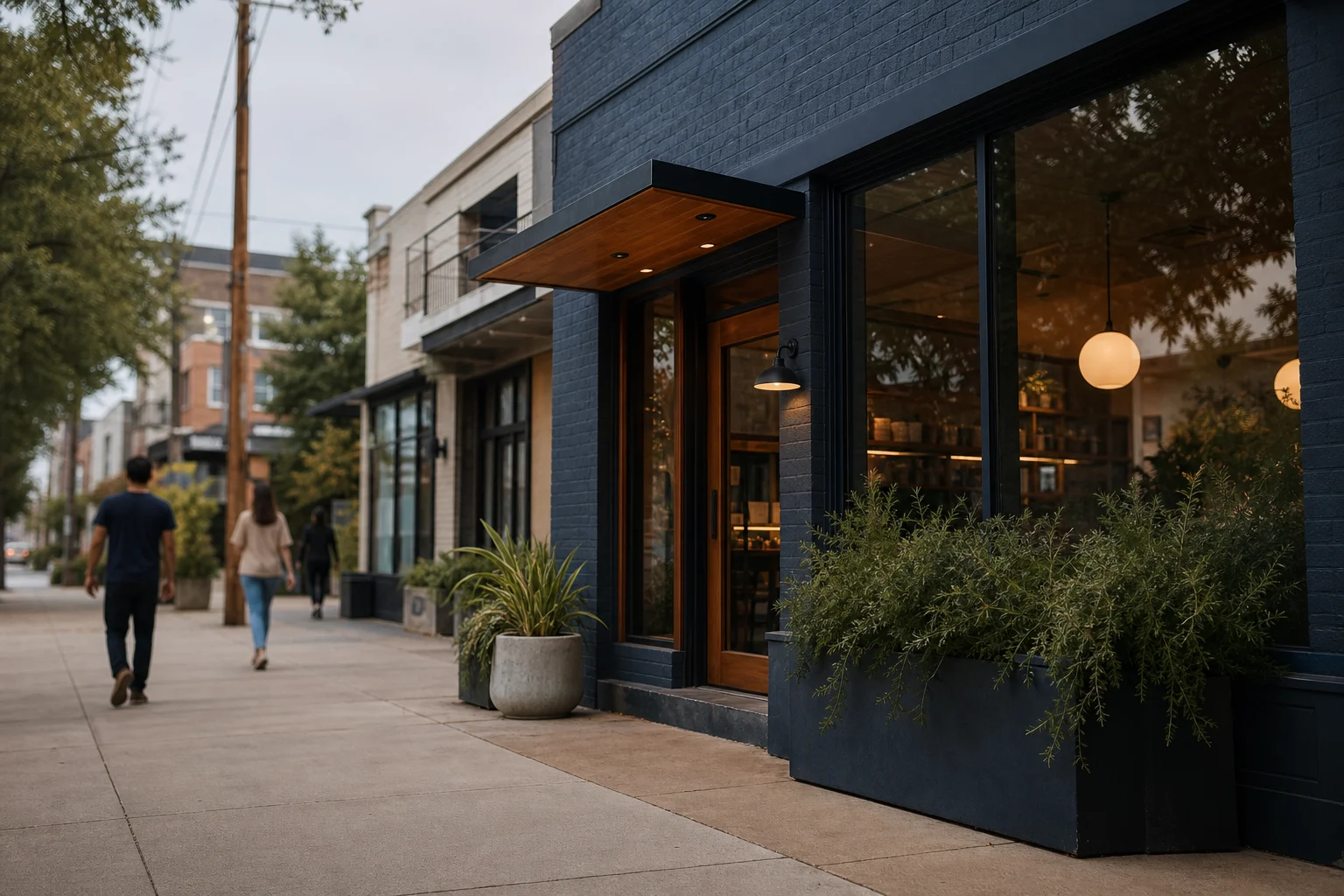
Equipment categories by launch format
When planning your sandwich and deli shop in Atlanta, equipment selection depends heavily on your chosen format. The three top-performing neighborhoods for sandwich and deli shops—Smyrna/Vinings (6.7/10), Sandy Springs (6.4/10), and Old Fourth Ward (O4W) (6.0/10)—each present different operational contexts that influence equipment needs.
Smyrna/Vinings leads the pack for a sandwich-deli concept with office density maxed out and a strong lunch daypart. The Battery and Cumberland Mall anchor a dense daytime worker pool (≈10,500 weekday lunch workers within 800m). This high-volume environment demands robust equipment capable of handling peak rushes.
Sandy Springs ranks second with the same maxed-out office index and zero direct sandwich-deli competitors detected. The area has strong daytime worker density and upscale residential reach (≈8,000 potential repeat households within 800m). Your equipment must balance quality presentation with volume capacity.
Old Fourth Ward offers Atlanta's hottest intown environment with Ponce City Market, the Beltline, Historic Fourth Ward Park, and Georgia State University creating a dense, walkable, 24-hour area. The lunch daypart is near-ceiling and daytime population density is city-leading. Equipment here must serve multiple dayparts efficiently.
Buildout assumptions that change the budget
Buildout requirements for your Atlanta sandwich and deli shop vary significantly across neighborhoods. The market temperature is mixed, competition density is medium, and rent level is medium-high across these areas, creating different budget pressures.
In Smyrna/Vinings, the high office density means your buildout should prioritize speed of service during lunch rushes. Consider counter space optimized for quick order processing and efficient kitchen workflows that minimize steps during peak hours.
Sandy Springs' upscale residential reach suggests a buildout that balances speed with presentation. Your equipment layout should accommodate both quick lunch service and more leisurely dinner or weekend orders, with visible preparation areas that showcase quality ingredients.
Old Fourth Ward's 24-hour environment requires equipment that can withstand continuous operation. Your buildout must consider energy efficiency, durability, and noise control for late-night service while maintaining daytime efficiency.
The rent level being medium-high across these areas means your buildout should maximize space utilization. Consider multi-functional equipment that serves multiple purposes to minimize both initial investment and ongoing maintenance costs.
New vs used equipment tradeoffs
Equipment decisions for your Atlanta sandwich and deli shop involve weighing new versus used options. The score confidence of 78% for neighborhood data suggests that while these areas show promise, equipment investments should balance initial costs with long-term reliability.
New equipment offers the latest technology, energy efficiency, and warranty protection. In high-traffic areas like Smyrna/Vinings with ≈10,500 weekday lunch workers within 800m, new equipment's reliability can prevent costly service interruptions during peak hours.
Used equipment provides significant initial cost savings but comes with higher maintenance risks. In areas like Old Fourth Ward with its 24-hour environment, used equipment might require more frequent repairs, potentially disrupting service during busy periods.
The medium competition density across these areas means your equipment choices can help differentiate your business. New equipment might offer features that enhance customer experience, while used equipment might allow for investment in higher-quality ingredients or staffing.
The medium-high rent level across these neighborhoods means your equipment decisions impact both initial investment and ongoing operational costs. Consider equipment that maximizes efficiency to reduce labor requirements, offsetting higher rent expenses.
What to inspect in a second-generation space
When considering a second-generation space for your Atlanta sandwich and deli shop, thorough inspection of existing equipment and infrastructure is crucial. The data vintage of 2026-05 snapshot provides current neighborhood insights, but physical inspection reveals the actual condition of existing installations.
In Smyrna/Vinings, check that existing equipment can handle the lunch rush volume. The area's office density means your kitchen must efficiently prepare for ≈10,500 weekday lunch workers within 800m. Verify that ventilation systems can handle high-volume cooking during peak hours.
Sandy Springs' upscale residential reach demands equipment that maintains consistent quality. Inspect refrigeration systems for temperature stability and check that cooking equipment provides even heat distribution for consistent product quality.
Old Fourth Ward's 24-hour environment requires equipment that can withstand continuous operation. Test all equipment for durability and check that noise levels are appropriate for late-night service while maintaining daytime efficiency.
Regardless of location, verify that existing equipment meets current health department standards. The medium competition density means your business must maintain high standards to stand out. Ensure all equipment is easily cleanable and meets food safety requirements.
The medium-high rent level means maximizing the value of existing buildout. Assess which components can be reused and which require replacement to balance initial investment with long-term operational efficiency.
FAQ
What equipment do I need for A Sandwich and Deli Shop in Atlanta?
The essential equipment for a sandwich and deli shop in Atlanta includes refrigeration units (reach-in coolers, prep tables), cooking equipment (griddles, ovens, toasters), food preparation surfaces, point-of-sale systems, storage solutions, and specialized equipment like meat slicers and sandwich presses. Your specific needs will vary based on your chosen format and location within Atlanta's top-performing neighborhoods.
How does location affect equipment needs for a sandwich and deli shop in Atlanta?
Atlanta's top neighborhoods for sandwich and deli shops—Smyrna/Vinings, Sandy Springs, and Old Fourth Ward—each present different operational contexts. Smyrna/Vinings' high office density requires equipment optimized for speed during lunch rushes. Sandy Springs' upscale residential reach demands equipment that balances speed with presentation. Old Fourth Ward's 24-hour environment requires durable equipment capable of continuous operation.
Should I buy new or used equipment for my Atlanta sandwich and deli shop?
New equipment offers the latest technology, energy efficiency, and warranty protection, making it ideal for high-traffic areas. Used equipment provides significant initial cost savings but comes with higher maintenance risks. Your decision should consider your specific location's demands, budget constraints, and long-term operational needs.
What should I look for when inspecting existing equipment in a second-generation space?
When inspecting existing equipment, check for functionality, age, maintenance history, and compliance with current health department standards. Verify that refrigeration systems maintain proper temperatures, cooking equipment provides even heat, and all equipment is easily cleanable. Also assess whether existing equipment can handle the specific demands of your chosen location and format.
How does Atlanta's market temperature affect equipment planning for sandwich and deli shops?
Atlanta's mixed market temperature suggests a balanced approach to equipment investment. While the medium competition density means there's room for new entrants, the medium-high rent level requires careful budgeting. Your equipment choices should maximize efficiency to reduce labor requirements while maintaining the quality needed to compete in Atlanta's sandwich and deli market.
Last reviewed: 2026-05-08
Sources: U.S. Census Bureau ACS, LEHD LODES, Google Places, OpenStreetMap, Locavisor neighborhood scoring.
Methodology: Locavisor scores neighborhoods across demand, competition fit, rent fit, accessibility, and customer match. Scores reflect a snapshot of recent data and should be combined with on-the-ground research before lease decisions.
Disclaimer: This article provides informational content only and does not constitute legal, financial, accounting, or real-estate advice. Verify lease terms, licensing, local regulations, costs, and professional requirements with qualified local professionals before making business decisions.
Free preview shows top 3 neighborhoods. Full $9.99 report covers all 10 areas with personalized scoring + 90-day check-ins.
Informational only. Verify lease, licensing, local regulations, costs, and professional requirements with qualified local professionals.