Austin, TX · sandwich and deli shop
Sandwich and deli shop equipment costs Austin
Planning a sandwich and deli shop in Austin requires careful consideration of equipment needs and buildout requirements. The right equipment setup impacts both your initial investment and ongoing operational efficiency. Understanding sandwich and deli shop equipment costs Austin is crucial for budget planning and ensuring your business has the foundation to succeed in this competitive market.
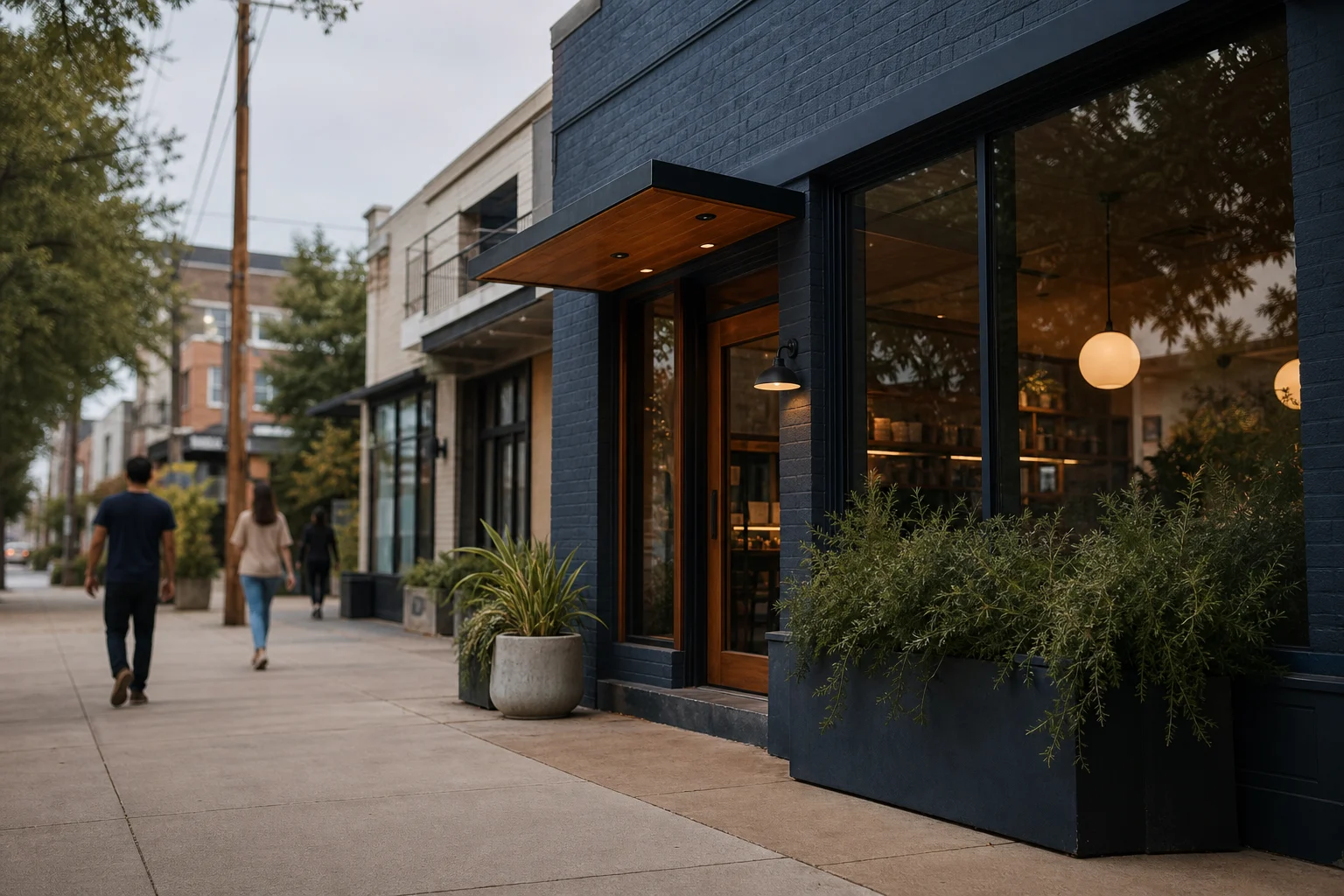
Equipment categories by launch format
Your sandwich and deli shop's equipment needs will vary based on your chosen format. Quick-service operations require different equipment than full-service delis or specialty sandwich shops. In Austin's market, where competition density is medium, differentiation through equipment quality and setup can help your business stand out.
Essential equipment categories include food preparation stations, refrigeration units, cooking equipment, serving stations, and point-of-sale systems. Each category has multiple options that affect both initial investment and operational efficiency. The Domain / North Austin area, with its high office density and lunch crowd, might prioritize different equipment than South Lamar, which has established competitors like Phoenicia Bakery & Deli and Jersey Mike's Subs.
Consider how your equipment aligns with your concept. A high-end deli requires different refrigeration and display cases than a quick-service sandwich shop. Your equipment choices should reflect your brand positioning while meeting operational needs. In Austin's mixed market temperature, flexibility in your equipment setup can help you adapt to changing customer preferences.
Buildout assumptions that change the budget
Buildout requirements significantly impact your budget planning. The physical space you choose determines how much work is needed before opening. In Austin's top areas, rent levels vary considerably, affecting how much you can invest in buildout.
The Domain / North Austin offers rent running roughly $30-50/sqft NNN, making it workable for medium-budget operators. This area's strong walkability and retail vibrancy anchored by The Domain mall and Domain NORTHSIDE justify a solid buildout investment. With roughly 10,500 weekday lunch workers within 800m, your buildout should prioritize efficient service during peak hours.
Crestview / Brentwood presents a different scenario with rent running roughly $45-70/sqft NNN. This step-up in rent level means your buildout budget might be tighter. The area's strong transit access via Crestview Station and healthy residential base of roughly 8,000 potential repeat households within 800m suggests a buildout that balances efficiency with neighborhood appeal.
South Lamar has premium rent at roughly $65-95/sqft NNN, the highest of the ranked areas. With three direct competitors within 660m, your buildout must differentiate your space while working within budget constraints. The trendy South Austin strip's lively retail corridor anchored by Lamar Union Plaza calls for a buildout that matches the area's aesthetic while maintaining operational efficiency.
New vs used equipment tradeoffs
Choosing between new and used equipment affects your initial investment and long-term costs. New equipment offers warranties, energy efficiency, and modern features but comes with a higher upfront cost. Used equipment reduces initial investment but may require more maintenance and lack energy-saving features.
In Austin's market, where rent levels vary by location, your equipment decisions should align with your overall budget strategy. The Domain / North Austin's medium-high rent level might make used equipment more attractive for certain categories, while energy-efficient new equipment could provide long-term savings on utility bills.
Consider the equipment's impact on your operations. New cooking equipment might provide more consistent results, while used refrigeration units could offer immediate cost savings. In Crestview / Brentwood, with zero direct sandwich-deli competitors within the search radius, investing in quality equipment could help establish your reputation from day one.
South Lamar's competitive landscape with established competitors like Phoenicia Bakery & Deli and ThunderCloud Subs might justify investing in new, high-quality equipment to match or exceed customer expectations. However, the premium rent level means balancing equipment investment with other startup costs.
What to inspect in a second-generation space
Taking over an existing space can reduce buildout costs but requires careful inspection of existing equipment and infrastructure. In Austin's top areas, second-generation spaces offer both opportunities and challenges.
When inspecting a space in The Domain / North Austin, evaluate whether existing equipment can handle the roughly 10,500 weekday lunch workers within 800m. The area's high office density means your equipment must perform well during peak service times. Check if the existing infrastructure supports your concept, especially if you're planning a different format than the previous tenant.
In Crestview / Brentwood, with its strong transit access and residential base, assess whether existing equipment aligns with neighborhood expectations. The lack of direct sandwich-deli competitors within the search radius means you have flexibility in concept, but existing equipment limitations might influence your approach.
South Lamar's competitive landscape requires extra scrutiny of existing equipment. With three direct competitors within 660m, your equipment must be capable of differentiating your offering. Check if existing refrigeration, cooking equipment, and service stations can support your quality standards and volume expectations. The area's premium rent level means maximizing the value of any existing infrastructure.
FAQ
What equipment do I need for A Sandwich and Deli Shop in Austin?
Essential equipment for a sandwich and deli shop in Austin includes food preparation stations with cutting boards and knives, refrigeration units for ingredients and displays, cooking equipment like grills and toasters, serving stations with display cases, and a point-of-sale system. Additional equipment may include beverage dispensers, storage solutions, and specialized tools for sandwich preparation. Your specific needs will depend on your concept, menu, and chosen location within Austin's top areas.
How does location affect equipment needs for a sandwich and deli shop in Austin?
Location significantly impacts your equipment needs based on customer demographics and competition. The Domain / North Austin's high office density requires equipment that handles peak lunch rushes efficiently. Crestview / Brentwood's residential base calls for equipment that supports steady neighborhood traffic. South Lamar's competitive landscape demands equipment that can differentiate your offering from established competitors like Phoenicia Bakery & Deli and Jersey Mike's Subs.
Should I buy new or used equipment for my Austin sandwich and deli shop?
The decision between new and used equipment depends on your budget, concept, and long-term plans. New equipment offers warranties and energy efficiency but comes with higher upfront costs. Used equipment reduces initial investment but may require more maintenance. In Austin's market, where rent levels vary by location, balance your equipment investment with other startup costs. Consider how equipment choices align with your concept and competitive positioning in your chosen area.
What buildout considerations should I prioritize for my Austin sandwich and deli shop?
Prioritize buildout elements that support your concept and operational efficiency. Consider workflow design, customer flow, and equipment placement. In Austin's top areas, buildout should reflect neighborhood character while meeting functional needs. The Domain / North Austin's retail vibrancy calls for an inviting space that handles high-volume service. Crestview / Brentwood's transit access suggests efficient service for both commuters and residents. South Lamar's trendy aesthetic requires a buildout that matches the area's vibe while supporting operational needs.
How does competition density affect equipment planning for Austin sandwich and deli shops?
Competition density influences your equipment choices by setting customer expectations. In areas with medium competition like Austin overall, quality equipment can help differentiate your business. South Lamar's three direct competitors within 660m mean your equipment must match or exceed industry standards. The Domain / North Austin's lack of direct sandwich-deli competitors offers more flexibility in equipment selection while still meeting customer expectations for quality and service.
Last reviewed: 2026-05-08
Sources: U.S. Census Bureau ACS, LEHD LODES, Google Places, OpenStreetMap, Locavisor neighborhood scoring.
Methodology: Locavisor scores neighborhoods across demand, competition fit, rent fit, accessibility, and customer match. Scores reflect a snapshot of recent data and should be combined with on-the-ground research before lease decisions.
Disclaimer: This article provides informational content only and does not constitute legal, financial, accounting, or real-estate advice. Verify lease terms, licensing, local regulations, costs, and professional requirements with qualified local professionals before making business decisions.
Free preview shows top 3 neighborhoods. Full $9.99 report covers all 10 areas with personalized scoring + 90-day check-ins.
Informational only. Verify lease, licensing, local regulations, costs, and professional requirements with qualified local professionals.