Boston, MA · sandwich and deli shop
Sandwich and deli shop equipment costs Boston
Planning a sandwich and deli shop in Boston requires careful consideration of equipment needs and buildout requirements. The city's competitive market, particularly in areas like Quincy Center / North Quincy, demands strategic planning to optimize your investment while maintaining quality standards.
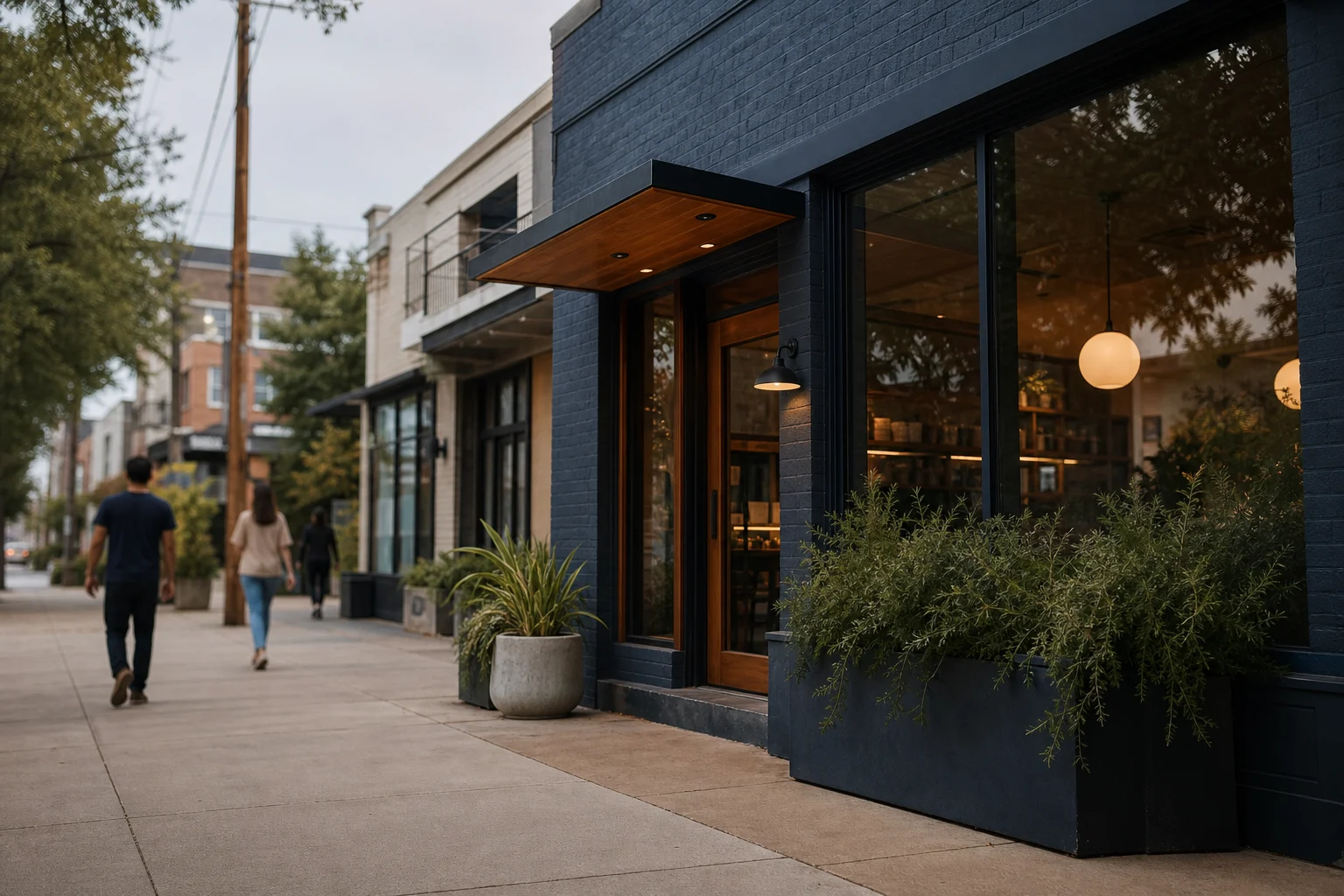
Equipment categories by launch format
When launching a sandwich and deli shop in Boston, your equipment needs will vary significantly based on your chosen format. A quick-service counter operation requires different equipment than a full-service deli with seating areas. Boston's market temperature is promising, with medium competition density, making equipment planning crucial for standing out.
Refrigeration equipment forms the backbone of any sandwich and deli operation. Walk-in coolers, prep refrigerators, and display cases must be sized appropriately for your menu volume and storage requirements. In Boston's Quincy Center / North Quincy area, where rent levels are medium-high, optimizing refrigeration efficiency directly impacts your operational costs.
Food preparation equipment represents another major category. Slicers, mixers, prep tables, and warming units must align with your menu offerings. The Quincy Center / North Quincy area offers strong lunch-daypart dynamics along Hancock St, suggesting robust midday demand that will test your preparation capacity during peak hours.
Point-of-sale systems integrate with your operational workflow. Boston's diverse neighborhoods, from Quincy Center to Assembly Row, require POS systems capable of handling various payment methods and order volumes. The Assembly Row area, despite its premium rent levels of $65-95/sqft NNN, boasts perfect competitionFit (10), indicating a market that can support sophisticated operations.
Buildout assumptions that change the budget
Buildout requirements for a sandwich and deli shop in Boston vary dramatically by location. Quincy Center / North Quincy presents the most affordable option at roughly $30-50/sqft NNN, significantly lower than the premium areas like Assembly Row and East Boston at $65-95/sqft NNN. This rent differential directly impacts your buildout budget and equipment allocation.
Plumbing infrastructure needs differ based on your menu complexity. A simple sandwich counter requires minimal plumbing, while a full deli with hot food stations demands more extensive installations. The East Boston area, with its Blue Line corridor and strong daytime population, may require robust plumbing to handle peak demand periods.
Electrical requirements grow with equipment sophistication. Refrigeration, cooking equipment, and lighting all contribute to your electrical load. Quincy Center / North Quincy's near-perfect rentFit (9.8) suggests more reasonable buildout costs, while Assembly Row's rentFit of 2.9 indicates premium pricing for electrical installations.
Ventilation systems impact both equipment selection and buildout costs. Cooking equipment that produces smoke or steam requires commercial hoods and exhaust systems. The Quincy Center / North Quincy area's dense residential base along Hancock St necessitates careful consideration of ventilation to maintain good neighborhood relations.
Flooring choices affect both aesthetics and durability. Commercial kitchens require durable, non-slip flooring that can withstand constant foot traffic and potential spills. The medium competition density across Boston's top areas suggests that quality flooring can help differentiate your establishment.
New vs used equipment tradeoffs
New equipment offers reliability and warranty protection but comes with higher upfront costs. In Boston's market temperature of promising, investing in new equipment might provide a competitive advantage, particularly in areas like Quincy Center / North Quincy where the competitionFit is rated at 10. The 85% score confidence suggests that reliable equipment investments can help establish your presence in these competitive markets.
Used equipment presents significant cost savings but carries higher maintenance risks. The East Boston area, with its existing deli operator Sammy Carlo's Delicatessen (4.7★, 212 reviews) about 650m from centroid, demonstrates that successful operations can be built with a mix of equipment ages. However, the low rentFit (3.6) in this area means operational efficiency is crucial to profitability.
Equipment financing options vary based on condition and age. New equipment typically offers more favorable financing terms, while used equipment may require larger down payments. Quincy Center / North Quincy's medium-high rent level suggests that careful equipment financing planning is essential to maintain healthy cash flow during the critical startup phase.
Energy efficiency considerations differ between new and used equipment. Modern refrigeration and cooking systems often feature energy-saving technologies that reduce long-term operating costs. Assembly Row's premium rent levels of $65-95/sqft NNN make energy efficiency particularly important for maintaining profitability in this high-cost environment.
What to inspect in a second-generation space
When considering a second-generation space for your Boston sandwich and deli shop, thorough inspection of existing infrastructure is crucial. Quincy Center / North Quincy's Red Line transit access and dense residential base create significant foot traffic, but the existing facilities may require substantial updates to meet current food service standards.
Plumbing infrastructure should be evaluated for capacity and condition. Older buildings may have pipes that need replacement or upgrading to handle modern equipment demands. The Quincy Center / North Quincy area's strong lunch-daypart dynamics suggest that plumbing systems must withstand peak demand periods without compromising performance.
Electrical systems require assessment for capacity and code compliance. Older wiring may not support the electrical load of modern kitchen equipment. Assembly Row's perfect competitionFit (10) indicates a market that can support sophisticated operations, but only if the electrical infrastructure can support the necessary equipment.
Ventilation systems must be inspected for adequacy and compliance with health regulations. Existing hoods and ductwork may need modification to accommodate your specific equipment. The East Boston area's Blue Line corridor and daytime population density suggest that proper ventilation is essential for maintaining air quality during busy periods.
Flooring condition impacts both safety and sanitation. Existing flooring may need replacement to meet health department requirements. Quincy Center / North Quincy's overall score of 7.8 with near-perfect competitionFit (10) suggests that investing in quality flooring can contribute to a positive customer experience in this competitive market.
FAQ
What equipment do I need for A Sandwich and Deli Shop in Boston?
The essential equipment for a sandwich and deli shop in Boston includes refrigeration units (walk-in coolers, prep refrigerators, display cases), food preparation equipment (slicers, mixers, prep tables), cooking equipment (grills, warmers), point-of-sale systems, and appropriate storage solutions. Your specific needs will vary based on your chosen format and location within Boston's top areas like Quincy Center / North Quincy, Assembly Row, or East Boston.
How does location affect equipment needs in Boston?
Location significantly impacts equipment requirements based on factors like rent levels, competition density, and customer demographics. Quincy Center / North Quincy's medium-high rent level of $30-50/sqft NNN allows for more equipment investment, while premium areas like Assembly Row with $65-95/sqft NNN require more efficient equipment to maintain profitability. The competitionFit scores across these areas also influence equipment sophistication needs.
Should I buy new or used equipment for my Boston deli?
The decision between new and used equipment depends on your budget, risk tolerance, and specific location requirements. New equipment offers reliability and warranty protection but comes with higher upfront costs. Used equipment provides cost savings but may require more maintenance. Quincy Center / North Quincy's more affordable rent structure might allow for more new equipment investment, while premium areas like Assembly Row might necessitate a more cost-conscious approach.
What buildout factors should I consider for a Boston sandwich shop?
Key buildout considerations include plumbing capacity for your menu requirements, electrical systems capable of supporting your equipment load, ventilation appropriate for your cooking methods, and flooring that meets health department standards. Quincy Center / North Quincy's strong lunch-daypart dynamics suggests robust buildout preparation for peak demand periods, while Assembly Row's premium rent levels require efficient space utilization.
How does Boston's market temperature affect equipment planning?
Boston's promising market temperature suggests growing demand for sandwich and deli options, which should influence your equipment capacity planning. The medium competition density across top areas like Quincy Center / North Quincy (7.8/10), Assembly Row (6.6/10), and East Boston (6.5/10) indicates that having the right equipment to handle volume and maintain quality can provide a competitive advantage in this expanding market.
Last reviewed: 2026-05-08
Sources: U.S. Census Bureau ACS, LEHD LODES, Google Places, OpenStreetMap, Locavisor neighborhood scoring.
Methodology: Locavisor scores neighborhoods across demand, competition fit, rent fit, accessibility, and customer match. Scores reflect a snapshot of recent data and should be combined with on-the-ground research before lease decisions.
Disclaimer: This article provides informational content only and does not constitute legal, financial, accounting, or real-estate advice. Verify lease terms, licensing, local regulations, costs, and professional requirements with qualified local professionals before making business decisions.
Free preview shows top 3 neighborhoods. Full $9.99 report covers all 10 areas with personalized scoring + 90-day check-ins.
Informational only. Verify lease, licensing, local regulations, costs, and professional requirements with qualified local professionals.