Charlotte, NC · sandwich and deli shop
Sandwich and deli shop equipment costs Charlotte
Planning a sandwich and deli shop in Charlotte requires careful consideration of equipment needs and buildout requirements. The right equipment choices depend on your specific format, budget constraints, and location strategy. Charlotte offers several promising neighborhoods for sandwich and deli establishments, each with unique characteristics that impact equipment planning and buildout decisions.
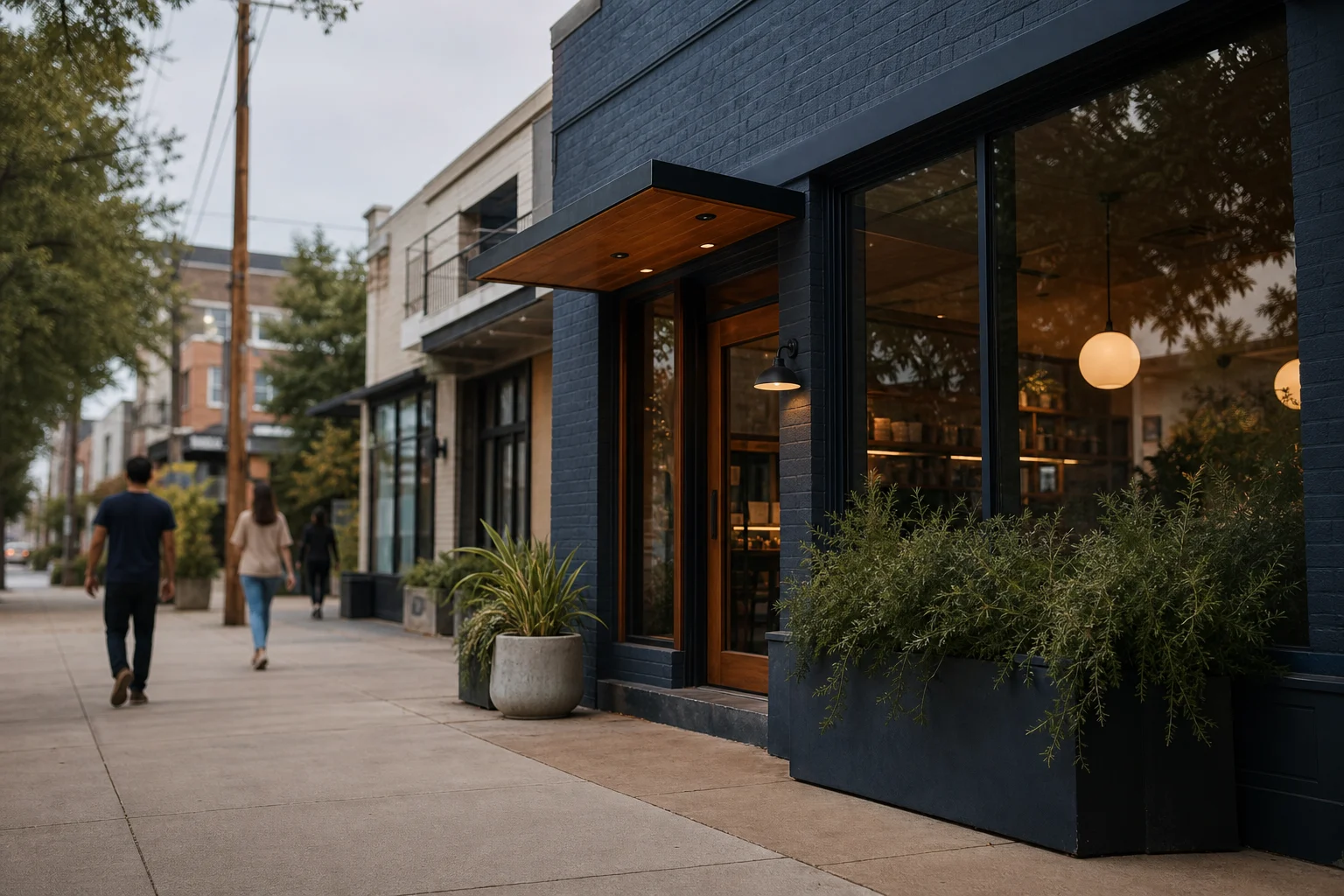
Equipment categories by launch format
When planning equipment for your Charlotte sandwich and deli shop, the format you choose will determine your equipment needs. Different formats require different equipment categories, each with specific considerations for your Charlotte location.
Counter-service operations need different equipment than full-service establishments. Quick-service formats focus on speed and efficiency, requiring streamlined workflows and specialized equipment for high-volume production. Full-service formats prioritize customer experience and may require different equipment arrangements.
Ghost kitchens and delivery-focused models have unique equipment requirements. These formats often prioritize cooking and preparation equipment over customer-facing elements. Consider how your chosen format aligns with Charlotte's market characteristics and neighborhood dynamics.
Buildout assumptions that change the budget
Buildout requirements vary significantly across Charlotte's top neighborhoods for sandwich and deli shops. Park Road / Madison Park (6.7/10) offers a strong location with roughly $45-70/sqft NNN rent. This area has strong daytime worker density (~10,500 weekday lunch workers within 800m), which may influence your equipment layout and capacity planning.
Camp North End (6.7/10) presents a different opportunity with roughly $30-50/sqft NNN rent. This adaptive-reuse creative district has zero direct sandwich-deli competitors, creating a blue-ocean opportunity. The tourist/visitor index is near ceiling, but the office-lunch captive audience is weaker than Park Road. This market characteristic may affect your equipment capacity and menu design.
Optimist Park / Belmont (6.5/10) combines the highest office index in the dataset with Optimist Hall food hall as a major foot-traffic anchor. Rent is premium at roughly $65-95/sqft NNN — the highest of all areas. No direct sandwich-deli competitors exist within the immediate area, but Optimist Hall itself is a food hall with diverse vendors. This location may require specialized equipment to compete with established food hall vendors.
New vs used equipment tradeoffs
New equipment offers reliability and warranty protection but comes with higher upfront costs. Used equipment reduces initial investment but may require more maintenance and have a shorter useful life. The decision between new and used equipment depends on your budget constraints, risk tolerance, and long-term business plans.
Charlotte's market temperature is mixed, which creates uncertainty for new businesses. This mixed market may influence your equipment purchasing strategy, potentially making used equipment a more attractive option during the initial launch phase.
The competition density in Charlotte is medium, meaning you'll need to differentiate your offering. Equipment quality and functionality can serve as differentiators in this competitive landscape. Consider how your equipment choices align with your brand positioning and target customer expectations.
What to inspect in a second-generation space
When evaluating existing spaces for your sandwich and deli shop, certain inspection points can reveal hidden costs and challenges. Plumbing and electrical systems must accommodate your specific equipment requirements without extensive modifications.
Ventilation systems are critical for sandwich and deli operations due to cooking equipment and food preparation needs. Ensure existing ventilation meets health code requirements for your planned menu items. Gas lines and electrical connections should be evaluated for compatibility with your equipment specifications.
Floor conditions impact both equipment installation and long-term maintenance. Look for signs of water damage, uneven surfaces, or inadequate drainage that could affect your operations. The space's layout should accommodate your workflow and customer flow requirements without expensive reconfiguration.
FAQ
What equipment do I need for A Sandwich and Deli Shop in Charlotte?
The essential equipment for a sandwich and deli shop in Charlotte includes preparation stations, refrigeration units, cooking equipment, serving counters, and storage solutions. Your specific equipment needs will depend on your chosen format, menu offerings, and location within Charlotte's top neighborhoods. Consider the unique characteristics of each area, such as Park Road / Madison Park's strong daytime worker density or Camp North End's tourist-focused market, when planning your equipment layout and capacity.
How does location affect equipment planning for a sandwich and deli shop in Charlotte?
Location significantly impacts equipment planning through rent levels, market characteristics, and customer expectations. Premium areas like Optimist Park / Belmont with higher rent levels ($65-95/sqft NNN) may justify more specialized equipment, while more affordable areas like Camp North End ($30-50/sqft NNN) might prioritize cost-effective solutions. Market temperature and competition density also influence equipment decisions, with mixed markets potentially favoring flexible equipment options.
What buildout considerations should I factor into my equipment planning?
Buildout considerations include plumbing and electrical systems that accommodate your equipment needs, ventilation requirements for cooking operations, and floor conditions that support your workflow. Each of Charlotte's top neighborhoods presents different buildout challenges and opportunities. For example, adaptive-reuse spaces like Camp North End may require more extensive modifications than newer construction, impacting your equipment installation timeline and budget.
How do I balance new and used equipment for my Charlotte sandwich and deli shop?
Balance new and used equipment based on your budget constraints, risk tolerance, and long-term business plans. New equipment offers reliability and warranty protection but comes with higher upfront costs. Used equipment reduces initial investment but may require more maintenance. Consider Charlotte's mixed market temperature and medium competition density when making these decisions, as these factors may influence your risk management strategy.
What should I look for when inspecting a second-generation space for my sandwich and deli shop?
When inspecting second-generation spaces, evaluate plumbing and electrical systems for compatibility with your equipment, ventilation systems for health code compliance, and floor conditions for proper installation and maintenance. Pay attention to the space's layout and how it accommodates your workflow and customer flow requirements. Each of Charlotte's top neighborhoods presents different space characteristics that may affect your equipment planning and installation.
Last reviewed: 2026-05-08
Sources: U.S. Census Bureau ACS, LEHD LODES, Google Places, OpenStreetMap, Locavisor neighborhood scoring.
Methodology: Locavisor scores neighborhoods across demand, competition fit, rent fit, accessibility, and customer match. Scores reflect a snapshot of recent data and should be combined with on-the-ground research before lease decisions.
Disclaimer: This article provides informational content only and does not constitute legal, financial, accounting, or real-estate advice. Verify lease terms, licensing, local regulations, costs, and professional requirements with qualified local professionals before making business decisions.
Free preview shows top 3 neighborhoods. Full $9.99 report covers all 10 areas with personalized scoring + 90-day check-ins.
Informational only. Verify lease, licensing, local regulations, costs, and professional requirements with qualified local professionals.