Chicago, IL · sandwich and deli shop
Sandwich and deli shop equipment costs Chicago
Opening a sandwich and deli shop in Chicago requires careful planning of your equipment needs. The right equipment setup depends on your specific concept, location, and budget. Understanding sandwich and deli shop equipment costs Chicago is crucial for proper financial planning before signing a lease or purchasing equipment. 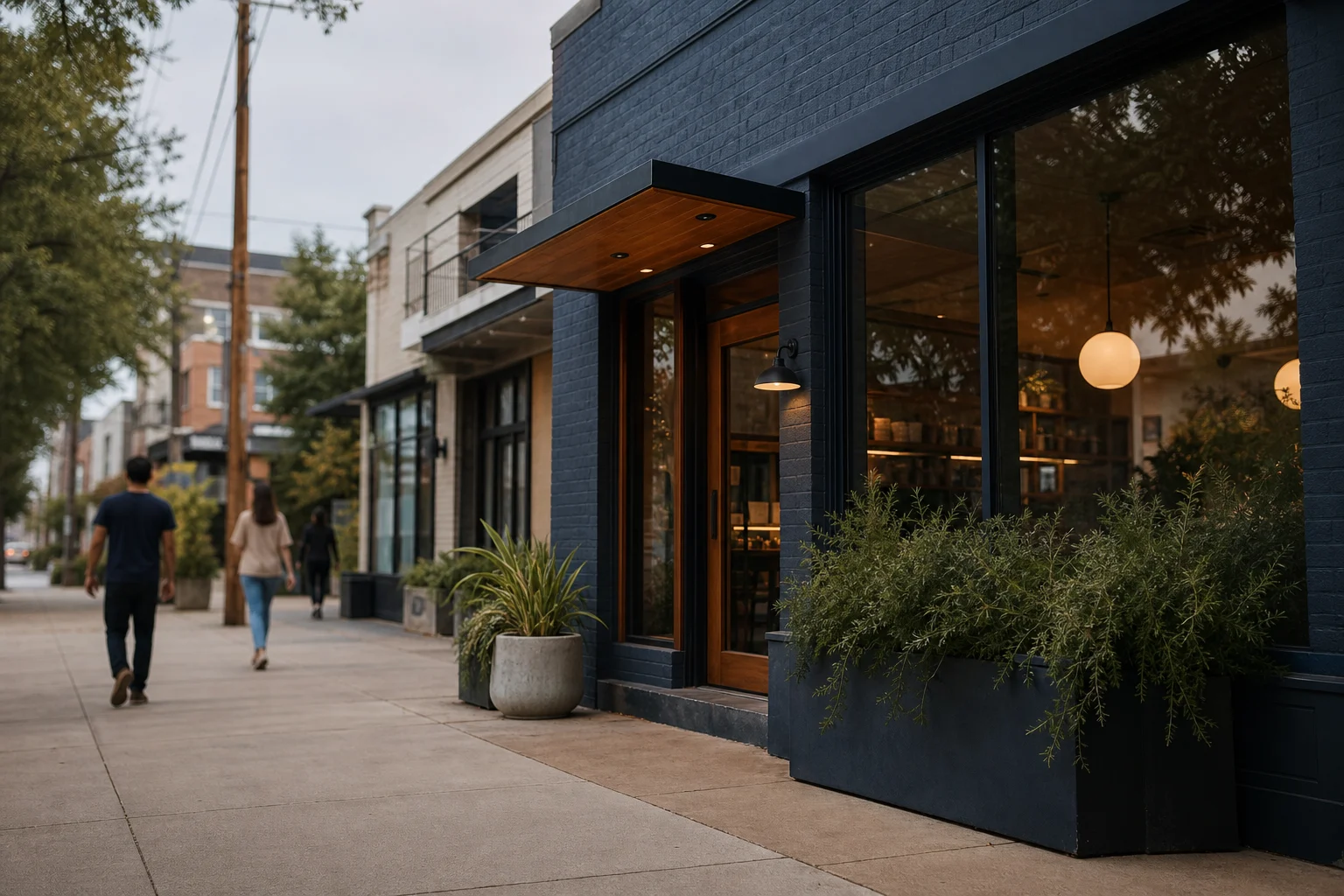
Equipment categories by launch format
Your equipment needs will vary significantly based on your chosen format. A quick-service sandwich shop requires different equipment than a full-service deli with seating. Chicago's market temperature is mixed, with medium competition density across different neighborhoods. This means you'll need to carefully consider how your equipment aligns with local demand.
In Chinatown, ranked #1 overall at 6.4/10, you'll face moderate sandwich/deli demand because the lunch crowd skews toward dim sum and noodle shops, not subs. Your equipment should reflect this reality. A compact, efficient setup might work better here than a full-scale deli operation. The rent is manageable at roughly $30-50/sqft NNN, which influences how much you can invest in equipment.
South Loop, ranked #2 with strong demand (6.9) and near-perfect accessibility (8.3), presents a different scenario. With approximately 10,500 daytime workers within 800m, this is a weekday lunch goldmine. However, rent is trophy-tier at roughly $90-140/sqft NNN. In this high-rent environment, you'll need equipment that maximizes throughput and efficiency to justify your investment.
Devon Ave / West Ridge, ranked #3 with a strong rentFit (9.5), offers the most affordable corridor at roughly $20-35/sqft NNN. The residential density is near ceiling with solid neighborhood vibrancy. However, this is a destination food corridor dominated by South Asian restaurants and sweet shops. Your equipment should support a unique positioning that stands out in this environment.
Buildout assumptions that change the budget
Buildout requirements can dramatically impact your budget. The rent level in your chosen neighborhood directly affects how much you can allocate to buildout. In Chicago's market, rent levels range from medium in Chinatown to high in South Loop.
Chinatown's medium-high rent level means you'll need to balance buildout quality with cost efficiency. Your equipment layout should maximize the available space while maintaining workflow efficiency. The strong walkability, transit access, and residential density in Chinatown suggest a buildout that accommodates both takeout and some limited seating options.
South Loop's trophy-tier rent demands a more strategic approach. With roughly $90-140/sqft NNN, you'll need to justify every dollar spent on buildout. The office index is maxed out, indicating a weekday lunch focus. Your buildout should prioritize speed and efficiency to handle the high-volume lunch rush. Equipment placement should minimize movement between stations to maximize throughput.
Devon Ave / West Ridge's affordable rent at roughly $20-35/sqft NNN provides more flexibility for buildout. The near-ceiling residential density suggests potential for both lunch and dinner business. Your buildout can be more substantial, potentially including more seating or specialized equipment that might not be feasible in higher-rent areas.
New vs used equipment tradeoffs
The decision between new and used equipment involves tradeoffs that vary by neighborhood. Market temperature and competition density should guide your approach.
In Chinatown's mixed market temperature with medium competition density, used equipment might present an opportunity to maintain quality while controlling costs. The moderate sandwich/deli demand means you don't necessarily need the latest equipment to succeed. However, reliability is crucial, so even used equipment should be in excellent condition.
South Loop's strong demand (6.9) justifies investing in new equipment that can handle high-volume service. The trophy-tier rent means you're competing at a premium level, and your equipment should reflect that commitment to quality and efficiency. New equipment often comes with warranties that can provide peace of mind in a high-rent, high-volume environment.
Devon Ave / West Ridge's strong rentFit (9.5) makes used equipment particularly attractive. The most affordable corridor in this set allows for more flexibility in equipment sourcing. However, since this is a destination food corridor dominated by South Asian restaurants, your equipment should support a unique concept that stands out. Sometimes, specialized used equipment can provide the character and functionality needed without the premium price of new items.
What to inspect in a second-generation space
When considering a second-generation space, thorough equipment inspection is essential. Each neighborhood presents different considerations based on its characteristics.
In Chinatown, inspect equipment that might be adapted for sandwich production rather than Asian cuisine. Look for refrigeration units, prep stations, and cooking equipment that can be repurposed. The strong walkability and transit access mean your equipment layout should maintain efficient customer flow, even if the original configuration served a different purpose.
South Loop spaces often come with equipment designed for high-volume service. Inspect for signs of wear from heavy weekday lunch usage. The approximately 10,500 daytime workers within 800m means equipment must handle consistent high volume. Check refrigeration capacity, cooking equipment efficiency, and ventilation systems to ensure they can maintain performance under continued heavy use.
Devon Ave / West Ridge spaces may require more creative adaptation. The destination food corridor dominated by South Asian restaurants means existing equipment might be specialized for different cuisines. Inspect for versatility and potential for repurposing. The near-ceiling residential density suggests potential for extended hours, so equipment should be capable of handling sustained operation rather than just peak periods.
FAQ
What equipment do I need for A Sandwich and Deli Shop in Chicago?
Your equipment needs will vary based on your specific concept and location. Essential categories include refrigeration (reach-in coolers, prep tables), food preparation (slicers, mixers, work tables), cooking equipment (grills, ovens, toasters), point-of-sale systems, and storage solutions. In Chicago's different neighborhoods, you'll need to adjust your equipment mix based on local demand patterns. Chinatown's moderate sandwich/deli demand might favor a more compact setup, while South Loop's strong weekday lunch crowd requires high-volume equipment, and Devon Ave / West Ridge's residential density supports equipment for extended hours.
How does neighborhood choice affect equipment needs?
Neighborhood characteristics directly impact your equipment requirements. Chinatown's manageable rent at roughly $30-50/sqft NNN allows for quality equipment without excessive investment. South Loop's trophy-tier rent at roughly $90-140/sqft NNN demands equipment that maximizes efficiency and throughput to justify the higher cost. Devon Ave / West Ridge's affordable rent at roughly $20-35/sqft NNN provides flexibility for more specialized equipment that might help you stand out in a food corridor dominated by other cuisines.
What equipment maintenance considerations should I keep in mind?
Regular maintenance is crucial regardless of neighborhood. In high-traffic areas like South Loop with approximately 10,500 daytime workers within 800m, equipment maintenance schedules should be more frequent to handle heavy use. Chinatown's mixed market temperature means equipment should be reliable enough to handle variable demand. Devon Ave / West Ridge's strong rentFit suggests you can invest in maintenance programs that extend equipment lifespan, potentially offsetting the need for frequent replacement.
Last reviewed: 2026-05-08
Sources: U.S. Census Bureau ACS, LEHD LODES, Google Places, OpenStreetMap, Locavisor neighborhood scoring.
Methodology: Locavisor scores neighborhoods across demand, competition fit, rent fit, accessibility, and customer match. Scores reflect a snapshot of recent data and should be combined with on-the-ground research before lease decisions.
Disclaimer: This article provides informational content only and does not constitute legal, financial, accounting, or real-estate advice. Verify lease terms, licensing, local regulations, costs, and professional requirements with qualified local professionals before making business decisions.
Free preview shows top 3 neighborhoods. Full $9.99 report covers all 10 areas with personalized scoring + 90-day check-ins.
Informational only. Verify lease, licensing, local regulations, costs, and professional requirements with qualified local professionals.