Dallas, TX · sandwich and deli shop
Sandwich and deli shop equipment costs Dallas
Opening a sandwich and deli shop in Dallas means navigating equipment decisions that directly impact your operational efficiency and customer experience. The equipment you choose affects everything from food preparation speed to energy costs, and these choices must align with your specific location's constraints and opportunities. Dallas offers diverse neighborhoods with varying rent structures and customer demographics, making equipment planning a critical first step before you even sign a lease.
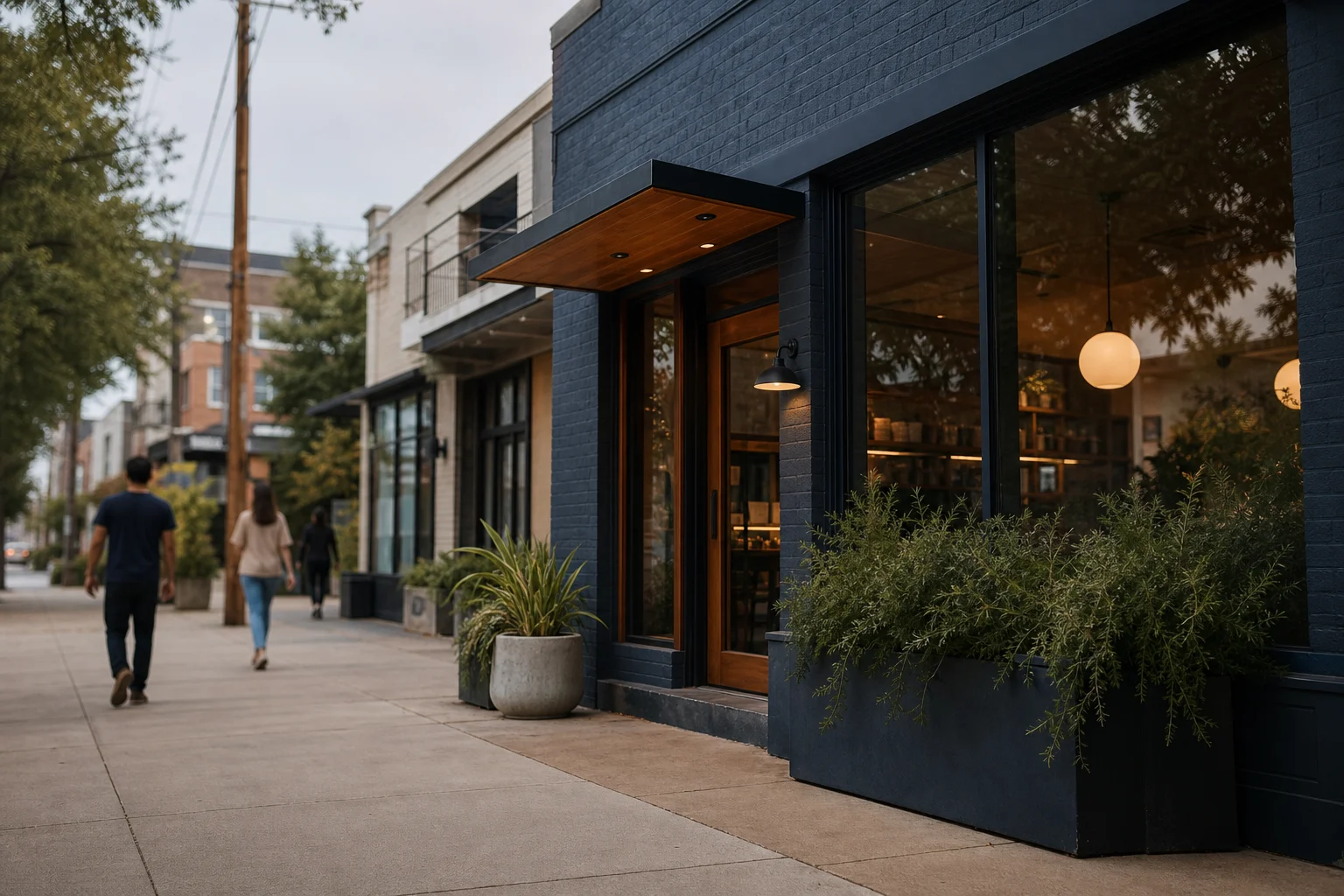
What equipment do you need to open a sandwich and deli shop in Dallas?
The core equipment for a sandwich and deli shop typically includes refrigeration units, preparation tables, slicers, ovens, and point-of-sale systems. However, Dallas-specific factors like climate, local competition, and neighborhood characteristics should influence your equipment choices. For example, in neighborhoods like Addison with rent bands of $25-$85/sqft/yr NNN, energy-efficient equipment might provide long-term savings that offset higher upfront costs. In contrast, areas like Plano Legacy West with a $55/sqft/yr NNN rent band might support more premium equipment investments due to higher customer spending power.
Your equipment list should start with the essentials:
- Refrigeration (sandwich prep tables, reach-in coolers, freezers)
- Food preparation equipment (slicers, mixers, toasters)
- Cooking equipment (ovens, grills, warmers)
- Point-of-sale and inventory management systems
- Service equipment (dispensers, coffee machines, POS)
The specific configuration depends on your menu and service style. A full-service deli might require more specialized equipment than a quick-service sandwich shop. Local operators like Mendocino Farms in Plano Legacy West and Trades Delicatessen in Bishop Arts District offer real-world examples of how equipment choices align with their business models and customer expectations.
Buildout cost categories
Plumbing and electrical
Plumbing and electrical work represents a significant portion of your buildout costs, especially for food service operations. Dallas building codes require specific installations for commercial kitchens, and your equipment layout will directly impact these costs. For instance, if you plan to install multiple refrigeration units, you'll need dedicated electrical circuits and possibly upgraded service. The Bishop Arts District, with its $25-$85/sqft/yr NNN rent band, might have older buildings requiring more extensive electrical upgrades compared to newer developments in Legacy West.
HVAC and ventilation
Proper ventilation is non-negotiable for any food preparation area in Dallas. The city's climate makes effective HVAC systems essential not just for comfort but for food safety and equipment longevity. Your ventilation needs will depend on your cooking methods-grilling or frying requires more robust systems than simple sandwich preparation. The rent bands in areas like Las Colinas (Irving) at $25-$85/sqft/yr NNN suggest that energy-efficient HVAC choices could provide operational savings over time.
Flooring and finishes
Flooring in a food service environment must meet health codes while standing up to heavy foot traffic and potential spills. Commercial-grade materials that are easy to clean and slip-resistant are standard requirements. Your choice of finishes affects both durability and customer perception. In neighborhoods like Trinity Groves with its $25-$85/sqft/yr NNN rent band, balancing durability with aesthetic appeal becomes particularly important as you compete with established operators and attract local patrons.
Permits-driven items
Building permits in Dallas will dictate several equipment-related requirements. You'll need to account for fire suppression systems, grease traps (if applicable), and possibly exhaust hoods. These items aren't optional and must be integrated into your equipment planning from the start. Working with a contractor familiar with Dallas permitting processes can save time and prevent costly revisions.
Furniture and signage
While not strictly "equipment," furniture and signage are integral to your customer experience and brand visibility. Outdoor seating, interior tables, and effective signage can significantly impact your business success, especially in walkable neighborhoods like Bishop Arts District where Trades Delicatessen operates. Your choices here should align with your target customer and the character of your chosen location.
Equipment line items to validate in Dallas
When planning your equipment purchases, consider these Dallas-specific factors:
| Equipment Category | Dallas Considerations | Neighborhood Impact |
|---|---|---|
| Refrigeration | Energy efficiency critical for hot climate | Higher utility costs in areas like Addison ($25-$85/sqft/yr NNN) |
| Ventilation | Local code requirements vary | Older buildings in Bishop Arts District may need upgrades |
| Food Prep | Space constraints in older locations | Layout limitations in Trinity Groves ($25-$85/sqft/yr NNN) |
| POS Systems | Integration with local payment preferences | Customer expectations in Legacy West ($55/sqft/yr NNN) |
| Service Equipment | Speed requirements for high-traffic areas | Competition density in Las Colinas (Irving) |
- Refrigeration efficiency: Dallas's hot climate makes energy-efficient refrigeration critical for operational costs.
- Ventilation requirements: Local codes may have specific requirements based on your cooking methods.
- Space constraints: Older buildings in areas like Bishop Arts District may have layout limitations affecting equipment placement.
- Customer expectations: Neighborhoods like Legacy West, home to Mendocino Farms, may expect higher-end equipment and presentation.
- Service speed: Quick-service concepts in high-traffic areas need equipment that supports fast preparation.
How established operators in Dallas configure their kitchens
Looking at successful local operators provides valuable insights into equipment. Mendocino Farms in Plano Legacy West focuses on fresh, prepared foods with equipment that supports quick assembly and display. Their setup likely emphasizes refrigerated prep tables and efficient POS systems to handle high volume. Meanwhile, Trades Delicatessen in Bishop Arts District, with its 4.1-star rating, probably balances traditional deli equipment with modern touches to appeal to the neighborhood's aesthetic.
Potbelly in Legacy West and Jersey Mike's Subs in Las Colinas represent national chains that have optimized their equipment for consistency and speed. Their setups can offer benchmarks for efficiency, though local independents might choose different priorities based on their unique value propositions.
Used vs. new vs. lease
The decision between used, new, or leased equipment depends on your capital, risk tolerance, and long-term plans. Used equipment can save money initially but may come with higher maintenance costs. New equipment offers reliability and energy efficiency but at a higher upfront cost. Leasing provides flexibility but increases long-term expenses.
In Dallas's competitive market, the right choice depends on your business model and financial strategy. A startup in a neighborhood with $25-$85/sqft/yr NNN rent bands might benefit from used equipment to conserve capital, while an operator in Legacy West with $55/sqft/yr NNN rent band might justify new equipment investments.
Buildout timeline
Your buildout timeline will be influenced by several factors specific to Dallas:
- Permit processing times: Vary by neighborhood and complexity of your project
- Contractor availability: Dallas's construction market can be competitive, especially in popular areas
- Equipment delivery: Lead times for specialized food service equipment
- Weather considerations: Dallas's climate can impact outdoor work schedules
Planning for potential delays is crucial, as weather or permitting issues can extend your timeline and impact your opening date.
Common buildout overruns
Several factors commonly lead to budget overruns in Dallas sandwich and deli shop buildouts:
- Unexpected structural issues: Older buildings in areas like Bishop Arts District may reveal problems during renovation
- Permit revisions: Changes during the process can add time and cost
- Equipment delays: Supply chain issues affecting delivery timelines
- Utility upgrades: Discovering the need for upgraded electrical or plumbing services
- Design changes: Adjusting your layout based on equipment dimensions or workflow optimization
FAQ
What equipment do I need to open a sandwich and deli shop in Dallas?
The core equipment includes refrigeration units, preparation tables, slicers, ovens, and POS systems. Your specific needs depend on your menu, service style, and location. For example, a deli in Addison with $25-$85/sqft/yr NNN rent might prioritize energy-efficient refrigeration, while one in Legacy West with $55/sqft/yr NNN rent could invest in premium cooking equipment.
How do Dallas neighborhoods affect equipment choices?
Neighborhood characteristics like rent bands, customer demographics, and building age influence equipment decisions. Areas with higher rent bands (like Legacy West at $55/sqft/yr NNN) may support more premium equipment, while older neighborhoods (like Bishop Arts District with $25-$85/sqft/yr NNN) might require equipment that fits specific space constraints.
What are the biggest equipment-related challenges in Dallas?
Climate considerations (especially for refrigeration), local building codes, and competition from established operators like Mendocino Farms and Trades Delicatessen are key challenges. Energy efficiency becomes particularly important given Dallas's hot weather and varying utility costs across neighborhoods.
Last reviewed: 2026-05-30
Sources: U.S. Census Bureau ACS, LEHD LODES, Google Places, OpenStreetMap, Locavisor neighborhood scoring.
Methodology: Locavisor scores neighborhoods across demand, competition fit, rent fit, accessibility, and customer match. Scores reflect a snapshot of recent data and should be combined with on-the-ground research before lease decisions.
Disclaimer: This article provides informational content only and does not constitute legal, financial, accounting, or real-estate advice. Verify lease terms, licensing, local regulations, costs, and professional requirements with qualified local professionals before making business decisions.
Free preview shows top 3 neighborhoods. Full $9.99 report covers all 10 areas with personalized scoring + 90-day check-ins.
Informational only. Verify lease, licensing, local regulations, costs, and professional requirements with qualified local professionals.