Denver, CO · sandwich and deli shop
Sandwich and deli shop equipment costs Denver
Planning a sandwich and deli shop in Denver requires careful consideration of equipment costs and buildout requirements. The city's market temperature is promising with medium competition density and low rent levels, making it an attractive location for new food service ventures. Understanding the specific equipment needs and buildout considerations for different neighborhoods can help founders make informed decisions about their investment.
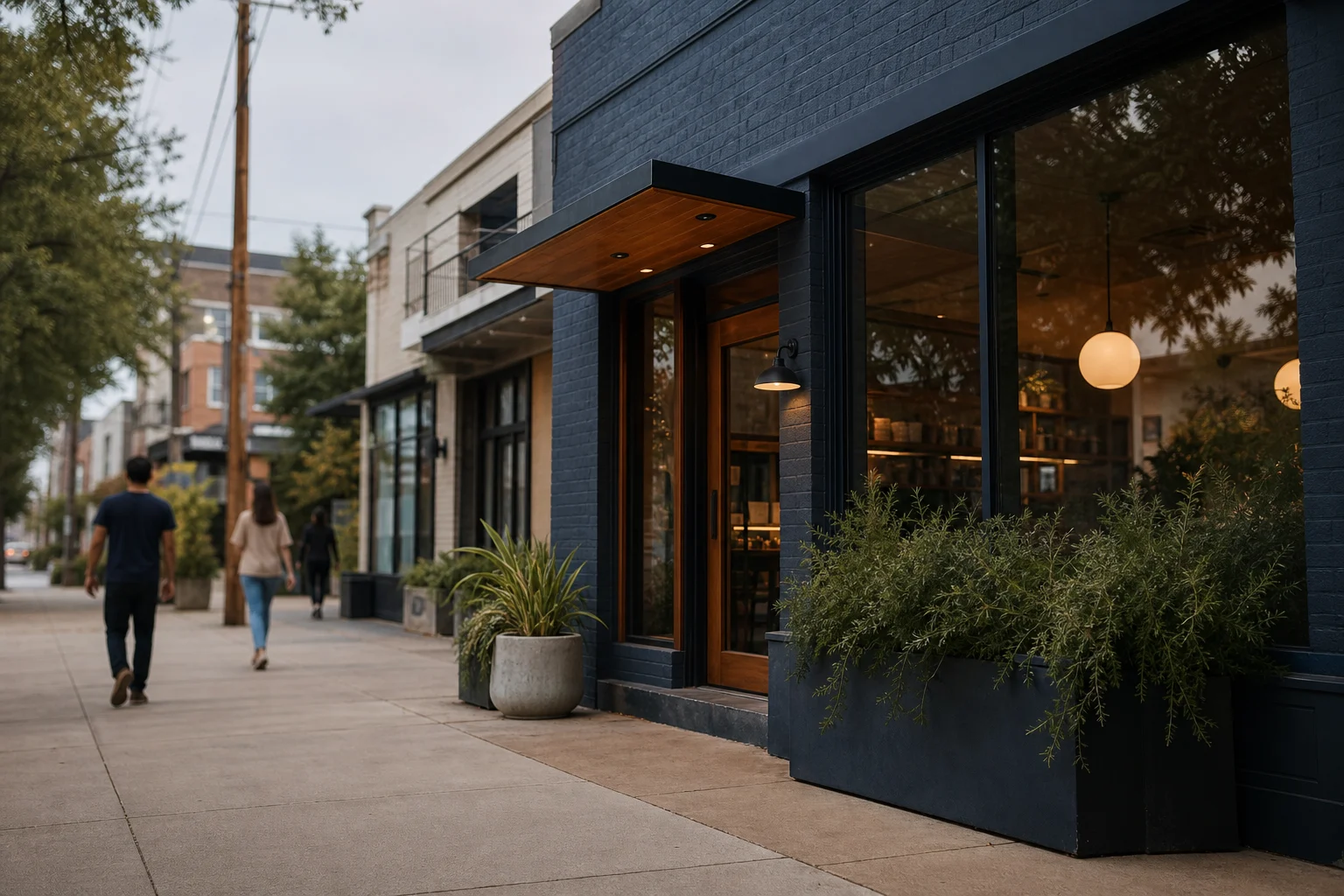
Equipment categories by launch format
For a sandwich and deli shop in Denver, equipment needs vary significantly based on your chosen format. Full-service delis require substantial refrigeration, preparation surfaces, and cooking equipment, while grab-and-go models focus more on display cases and efficient assembly stations. The equipment budget must align with your service model, whether you're serving quick lunches to office workers in LoDo or creating a destination spot in RiNo.
Refrigeration represents one of the largest equipment investments for any sandwich and deli operation. Walk-in coolers, prep refrigerators, and display cases must meet Denver's health department requirements while maintaining energy efficiency. In areas like LoDo with dense weekday office lunch crowds, having adequate refrigeration capacity becomes critical to handle peak demand without compromising food safety.
Food preparation equipment forms the backbone of your sandwich and deli operation. Slicers, mixers, prep tables, and workstations must be durable enough for Denver's high-volume periods while fitting within your available space. The specific equipment needs will vary depending on whether you're focusing on made-to-order sandwiches, pre-packaged deli items, or a combination of both service styles.
Point-of-sale systems represent another critical equipment category that directly impacts operational efficiency. Denver's tech-savvy customers expect quick, accurate service, making a reliable POS system essential for managing orders, inventory, and customer relationships. The right POS setup can help track popular items during Denver's busy lunch rushes and identify opportunities to optimize your menu based on local preferences.
Buildout assumptions that change the budget
Buildout requirements for a sandwich and deli shop in Denver vary significantly across different neighborhoods. LoDo's dense weekday office lunch crowd demands efficient layouts that maximize throughput during peak hours, while RiNo's unique position with zero direct sandwich-deli competitors within the search radius allows for more creative space utilization. Understanding these neighborhood-specific demands helps allocate your buildout budget effectively.
Plumbing and electrical requirements represent major buildout considerations that can significantly impact your budget. Health department regulations mandate specific sink configurations, handwashing stations, and grease trap installations that may require substantial construction work. In Denver's older commercial districts like Five Points with its historic commercial corridor, upgrading outdated plumbing and electrical systems often represents one of the largest buildout expenses.
Ventilation systems form another critical buildout component that varies by neighborhood and menu focus. Shops featuring extensive hot food preparation require robust hood systems that meet Denver's stringent ventilation requirements. The complexity of these systems depends on your cooking equipment types and volume, with full kitchens requiring more extensive installations than primarily cold-preparation operations.
Flooring and wall finishes represent the most visible buildout elements that impact both customer perception and operational efficiency. Denver's food service establishments must choose durable, easy-to-clean surfaces that withstand heavy foot traffic and frequent cleaning. The specific requirements vary by neighborhood, with LoDo's business-casual lunch crowd expecting different aesthetics than RiNo's more industrial, artistic environment.
New vs used equipment tradeoffs
The decision between new and used equipment represents a critical budget consideration for Denver sandwich and deli shop owners. New equipment offers the latest energy efficiency features, full warranties, and compliance with current health regulations, but comes with a higher upfront cost. Used equipment can reduce initial investment by 30-50%, but carries risks of shorter lifespan, higher maintenance costs, and potential compliance issues with Denver's health codes.
Denver's market temperature being promising suggests that investing in reliable equipment may provide better long-term value despite higher initial costs. In areas like LoDo with established competitors such as Ike's Love & Sandwiches (4.6★, 311 reviews) and Yampa Sandwich Co. (4.4★, 454 reviews), having dependable equipment that minimizes downtime becomes essential for maintaining customer satisfaction and operational consistency.
The age and condition of used equipment require careful evaluation before purchase. Refrigeration units should be checked for proper temperature maintenance and energy efficiency, while cooking equipment must demonstrate even heating and reliable operation. In Denver's competitive food service market, equipment failure during peak hours can damage reputation and customer loyalty, making reliability a key factor in the new versus used decision.
Financing options for new equipment may offer better terms for Denver entrepreneurs planning long-term operations. Equipment leases spread costs over time while maintaining access to the latest technology and energy efficiency improvements. For sandwich and deli shops in areas like RiNo with strong office density and coworking spaces (INDUSTRY Denver, Fabrica RiNo), having modern equipment can enhance operational efficiency and support business growth as the neighborhood continues to develop.
What to inspect in a second-generation space
Evaluating a second-generation space for your Denver sandwich and deli shop requires careful attention to existing infrastructure that may impact your equipment needs and buildout budget. Plumbing and electrical systems should be inspected for capacity to support your specific equipment requirements, particularly in older buildings in neighborhoods like Five Points with its historic commercial corridor. The existing layout may offer advantages or limitations depending on your service model and target customer base.
Ventilation hood systems represent a critical inspection point for any sandwich and deli operation. Existing hoods may need modification or replacement depending on your cooking equipment types and volume. In Denver's food service establishments, hood systems must meet specific requirements based on the type and quantity of cooking equipment, with non-compliant systems representing a significant buildout expense or operational limitation.
Floor conditions should be evaluated for both structural integrity and suitability for food service applications. Existing flooring may require removal and replacement with materials that meet Denver health department requirements for slip resistance and ease of cleaning. The condition of the subfloor can also impact installation costs for new equipment, particularly heavy items like walk-in coolers or preparation stations.
Refrigeration and exhaust systems should be thoroughly tested for functionality and efficiency. Existing refrigeration units may appear operational but could have hidden issues that impact food safety or energy costs. In areas like LoDo with maxed-out walkability and transit, equipment reliability becomes even more critical due to the high volume of customers during peak lunch periods. A thorough inspection of existing systems can help identify potential issues before committing to a lease.
FAQ
What equipment do I need for A Sandwich and Deli Shop in Denver?
The essential equipment for a sandwich and deli shop in Denver includes refrigeration units (walk-in coolers, prep refrigerators, display cases), food preparation equipment (slicers, mixers, prep tables), cooking equipment (grills, fryers, warmers), point-of-sale systems, and furniture for customer seating if applicable. The specific equipment needs vary based on your service model, menu offerings, and target neighborhood. Areas like LoDo with dense weekday office lunch crowds may require different equipment configurations than RiNo, which has zero direct sandwich-deli competitors within the search radius but an evening/brewery scene that dominates the local market.
How does Denver's market temperature affect equipment planning?
Denver's promising market temperature suggests that investing in reliable, efficient equipment may provide better long-term value despite higher initial costs. The medium competition density across neighborhoods means that having equipment that supports operational efficiency and quality consistency can help differentiate your business. In areas like LoDo with established competitors such as Ike's Love & Sandwiches and Yampa Sandwich Co., dependable equipment becomes essential for maintaining customer satisfaction during peak hours.
What are the most significant buildout considerations for a Denver sandwich and deli shop?
The most significant buildout considerations include plumbing and electrical systems to meet health department requirements, ventilation systems appropriate for your cooking equipment, flooring and wall finishes that meet sanitation standards, and layout optimization for efficient workflow. These requirements vary by neighborhood, with LoDo's business-casual lunch crowd expecting different aesthetics than RiNo's more industrial environment. The specific buildout needs should align with your service model and target customer base in each neighborhood.
How does neighborhood selection impact equipment and buildout requirements?
Neighborhood selection significantly impacts equipment and buildout requirements based on local customer expectations and existing infrastructure. LoDo's dense weekday office lunch crowd demands efficient layouts that maximize throughput during peak hours, while RiNo's unique position with zero direct sandwich-deli competitors allows for more creative space utilization. Five Points' historic commercial corridor may require more extensive buildout work to update older systems, while also offering strong walkability and light-rail access that influences customer flow patterns.
What are the advantages of used equipment for a Denver sandwich and deli startup?
Used equipment can reduce initial investment by 30-50%, making it attractive for startups with limited capital.
Last reviewed: 2026-05-08
Sources: U.S. Census Bureau ACS, LEHD LODES, Google Places, OpenStreetMap, Locavisor neighborhood scoring.
Methodology: Locavisor scores neighborhoods across demand, competition fit, rent fit, accessibility, and customer match. Scores reflect a snapshot of recent data and should be combined with on-the-ground research before lease decisions.
Disclaimer: This article provides informational content only and does not constitute legal, financial, accounting, or real-estate advice. Verify lease terms, licensing, local regulations, costs, and professional requirements with qualified local professionals before making business decisions.
Free preview shows top 3 neighborhoods. Full $9.99 report covers all 10 areas with personalized scoring + 90-day check-ins.
Informational only. Verify lease, licensing, local regulations, costs, and professional requirements with qualified local professionals.