Houston, TX · sandwich and deli shop
Sandwich and deli shop equipment costs Houston
Planning a sandwich and deli shop in Houston requires careful consideration of equipment costs and buildout requirements. The right equipment choices can significantly impact your initial investment and long-term operational efficiency. Houston's diverse neighborhoods offer different opportunities and challenges for sandwich and deli entrepreneurs, with the Energy Corridor standing out as the top-ranked location according to Locavisor neighborhood scoring.
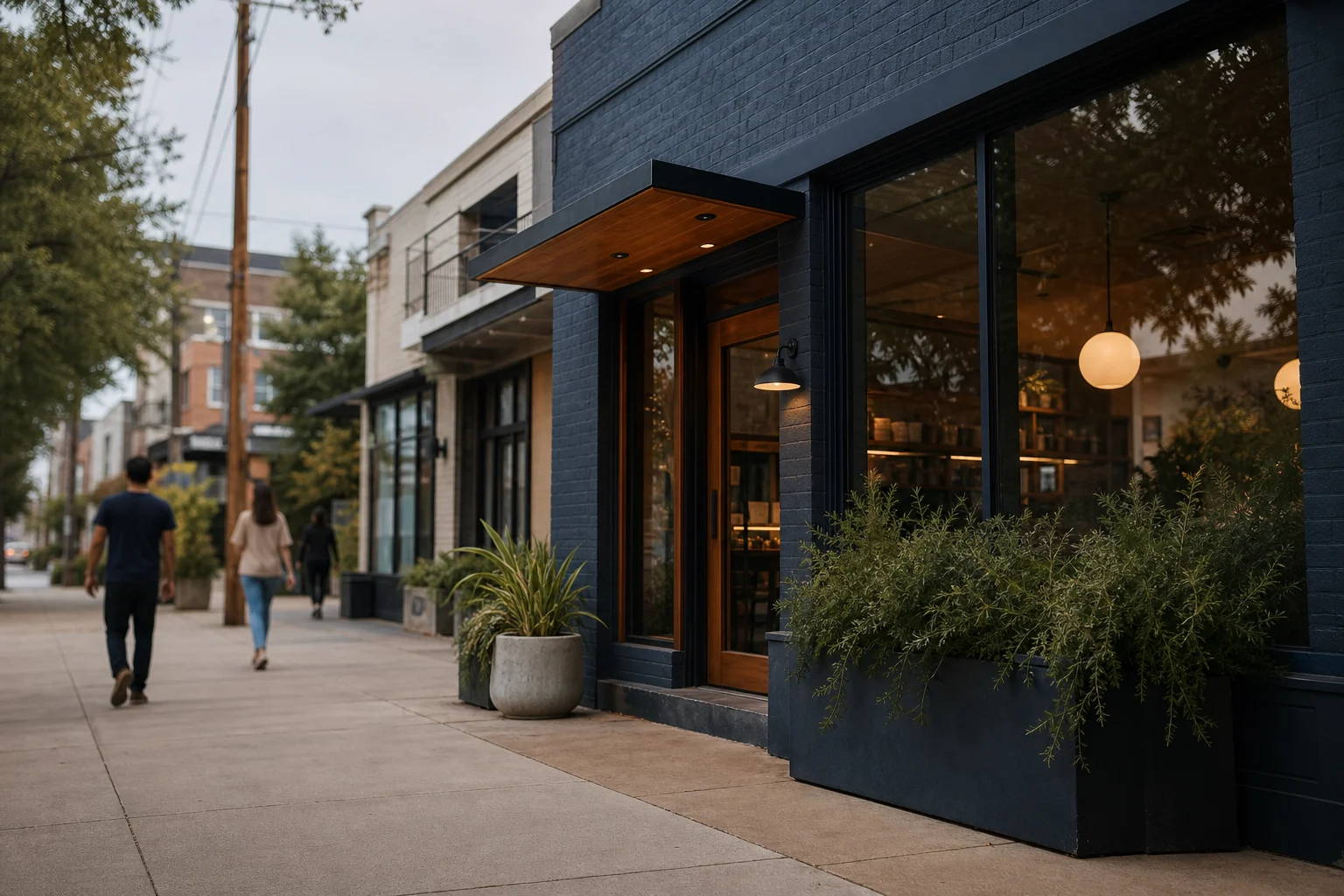
Equipment categories by launch format
When planning your sandwich and deli shop in Houston, equipment selection should align with your specific business format. The three main formats to consider are counter-service, quick-service, and full-service deli models. Each format requires different equipment configurations that impact your budget and operational workflow.
Counter-service models prioritize speed and efficiency, focusing on streamlined sandwich preparation stations with minimal seating. Quick-service formats emphasize high-volume production with self-service beverage stations and limited seating areas. Full-service delis require more substantial investments in display cases, seating arrangements, and specialized food preparation equipment.
The Energy Corridor (7.1/10) presents an interesting opportunity for sandwich and deli entrepreneurs. This Houston suburban office cluster anchored by Conoco, Shell, and BP offers a captive weekday lunch market with near-maxed-out office density. Zero direct competitors were found within the search radius, though rent is moderate for Houston at roughly $30-50/sqft NNN. This combination of high demand and low competitive pressure could influence your equipment investment strategy, potentially allowing for more specialized equipment that might not be justified in more competitive markets.
Buildout assumptions that change the budget
Buildout requirements vary significantly across Houston's top sandwich and deli locations. The Memorial area (6.9/10) offers strong office-worker density paired with upscale residential reach—roughly 8,000 potential repeat households within 800m. However, the sandwich-deli field is already crowded here, with Jason's Deli (4.2★, 681 reviews), Schlotzsky's (4.5★, 291 reviews), and Firehouse Subs (4.1★, 304 reviews) all within a few blocks. This competitive environment might necessitate more distinctive buildout elements to differentiate your business.
Galleria/Uptown (6.7/10) represents Houston's premium retail corridor, featuring The Galleria mall, Williams Tower offices, and high-end retail that create city-leading daytime population density and walkability. In this high-visibility location, your buildout might need to accommodate higher customer expectations regarding ambiance and presentation, potentially requiring more sophisticated equipment and finishes.
Buildout assumptions should account for utility requirements, ventilation systems, and compliance with Houston's health department regulations. The market temperature in Houston is currently promising, which might influence your willingness to invest in higher-quality buildout elements that could attract discerning customers in competitive areas.
New vs used equipment tradeoffs
The decision between new and used equipment involves careful consideration of your budget constraints and long-term business strategy. In Houston's competitive sandwich and deli market, equipment reliability can significantly impact your ability to serve customers consistently and maintain your reputation.
New equipment offers the latest technology, energy efficiency, and manufacturer warranties, reducing the risk of unexpected breakdowns during critical business periods. However, the initial investment is substantially higher, which might strain your startup capital. The rent level in Houston is relatively low, potentially freeing up some budget for quality equipment purchases.
Used equipment presents a cost-effective alternative that can significantly reduce your initial investment. In the Energy Corridor, where rent is moderate but competition is minimal, investing in reliable used equipment might allow you to allocate more resources to marketing and customer acquisition. However, used equipment often comes with higher maintenance requirements and may lack energy-efficient features that could impact long-term utility costs.
When evaluating used equipment, consider the remaining lifespan of components, availability of replacement parts, and the reputation of the previous owner. In competitive areas like Memorial, where established players like Jason's Deli and Firehouse Subs already have customer loyalty, reliable equipment becomes even more critical to ensure consistent quality and service.
What to inspect in a second-generation space
When considering a second-generation space for your Houston sandwich and deli shop, thorough inspection of existing infrastructure can reveal significant cost savings or potential hidden expenses. The Energy Corridor's moderate rent of $30-50/sqft NNN makes second-generation spaces particularly attractive, as they often come with existing equipment and buildout elements that can be repurposed.
Key inspection areas include ventilation systems, which are critical for sandwich and deli operations. Verify that existing hoods, ductwork, and make-up air systems meet current health department requirements. In the Galleria/Uptown area, where premium retail expectations are high, inadequate ventilation could force expensive upgrades to meet both regulatory and customer experience standards.
Plumbing infrastructure deserves special attention, particularly in older spaces. Ensure that existing connections accommodate your equipment requirements without costly modifications. The Memorial area's established sandwich-deli presence means that some spaces may already have suitable plumbing for food service operations, potentially reducing buildout expenses.
Electrical systems must be evaluated to confirm they can handle your equipment load without expensive upgrades. In high-traffic areas like Galleria/Uptown, additional capacity for peak demand periods might be necessary to prevent operational disruptions.
When inspecting potential spaces, consider how the existing layout can be optimized for your specific operational workflow. The Energy Corridor's captive weekday lunch market suggests that efficient workflow during peak hours should be a priority in space planning.
FAQ
What equipment do I need for A Sandwich and Deli Shop in Houston?
A sandwich and deli shop in Houston requires several categories of equipment to operate efficiently. Essential equipment includes refrigeration units (reach-in coolers, prep tables, and possibly walk-in coolers), food preparation stations, sandwich-making equipment (slicers, mixers, and toasters), point-of-sale systems, and storage solutions. Additional equipment may depend on your specific format, such as self-service beverage stations for quick-service models or display cases for full-service delis.
The equipment needs will vary based on your chosen location within Houston. The Energy Corridor's captive weekday lunch market might prioritize efficient sandwich preparation equipment, while the Memorial area's established sandwich-deli field could require more distinctive equipment elements to differentiate your business. In the Galleria/Uptown premium retail corridor, equipment that enhances presentation and customer experience might take precedence.
Before finalizing your equipment list, consider how each item aligns with your business model, target customer expectations, and budget constraints. The promising market temperature in Houston suggests that investing in quality equipment could pay dividends in customer satisfaction and long-term business success.
Last reviewed: 2026-05-08
Sources: U.S. Census Bureau ACS, LEHD LODES, Google Places, OpenStreetMap, Locavisor neighborhood scoring.
Methodology: Locavisor scores neighborhoods across demand, competition fit, rent fit, accessibility, and customer match. Scores reflect a snapshot of recent data and should be combined with on-the-ground research before lease decisions.
Disclaimer: This article provides informational content only and does not constitute legal, financial, accounting, or real-estate advice. Verify lease terms, licensing, local regulations, costs, and professional requirements with qualified local professionals before making business decisions.
Free preview shows top 3 neighborhoods. Full $9.99 report covers all 10 areas with personalized scoring + 90-day check-ins.
Informational only. Verify lease, licensing, local regulations, costs, and professional requirements with qualified local professionals.