Miami, FL · sandwich and deli shop
Sandwich and deli shop equipment costs Miami
Planning your sandwich and deli shop equipment costs in Miami requires careful consideration of both your business format and location. Miami's mixed market temperature and medium competition density create both opportunities and challenges for new sandwich and deli shop owners. The right equipment decisions can significantly impact your startup costs and operational efficiency, making this a critical phase of your business planning.
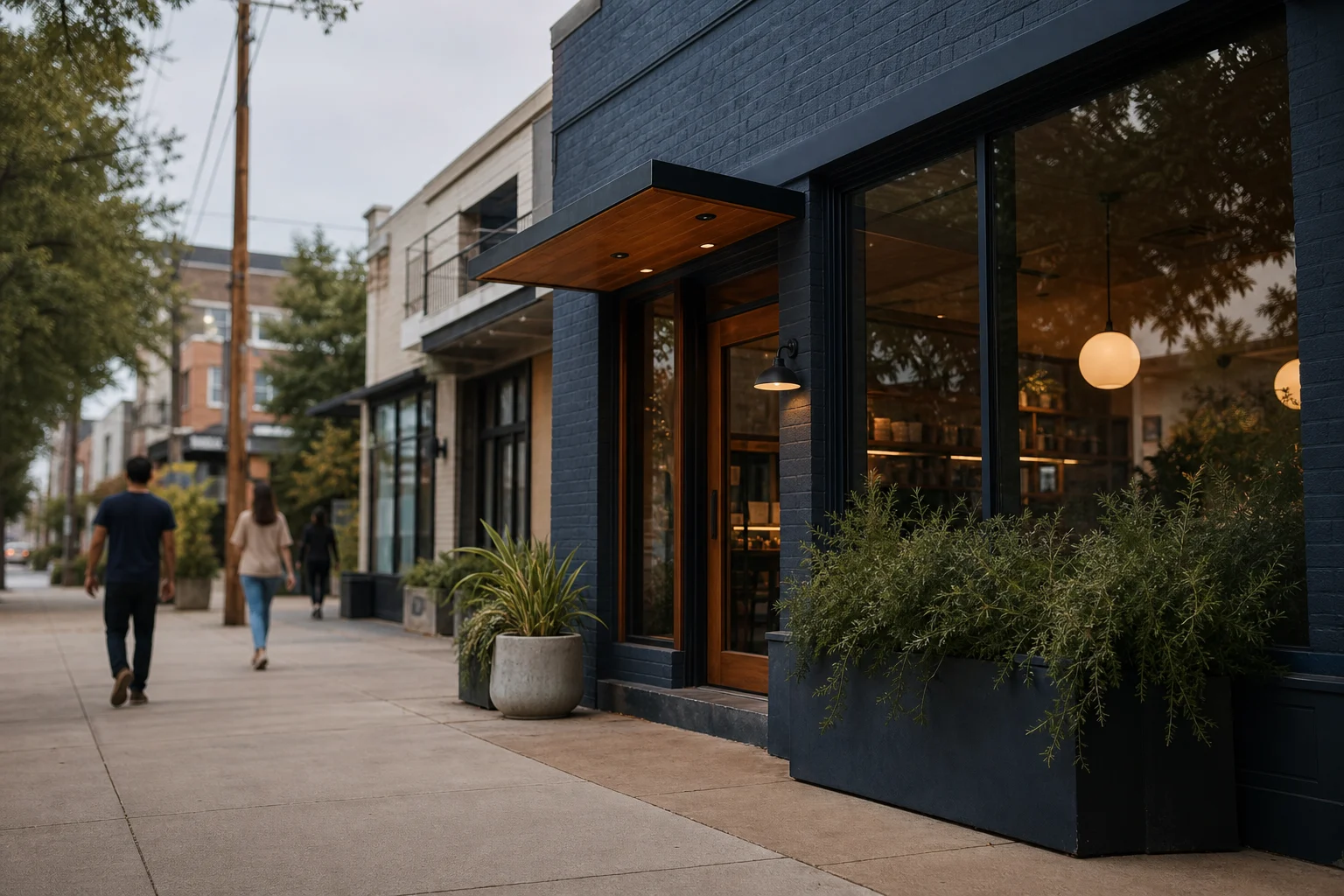
Equipment categories by launch format
Your sandwich and deli shop equipment needs will vary based on your chosen format. A quick-service operation requires different equipment than a full-service deli with seating. Miami's medium-high rent levels mean your equipment budget must be optimized for both functionality and space efficiency.
Refrigeration equipment forms the backbone of any sandwich and deli operation. This includes reach-in refrigerators for ingredients, prep tables with refrigerated bases, and potentially walk-in coolers for larger operations. Your specific needs will depend on your menu complexity and expected volume.
Food preparation equipment includes slicers, mixers, prep tables, and workstations. The MiMo / Upper Eastside area's strong office-worker density suggests a lunch-focused operation might benefit from efficient prep equipment to handle peak hours. Consider how your equipment choices align with your expected customer flow and service style.
Point-of-sale systems are another critical component. Beyond the basic cash register, modern sandwich shops benefit from POS systems that can handle online orders, manage inventory, and track sales data. The single Subway competitor in MiMo / Upper Eastside suggests an opportunity to differentiate through superior technology and customer service.
Service equipment includes display cases, warming stations, and customer-facing amenities. In areas like Kendall / Pinecrest where rent runs roughly $90-140/sqft NNN, space efficiency becomes paramount. Your equipment choices must balance functionality with the constraints of your physical space.
Buildout assumptions that change the budget
Buildout assumptions significantly impact your equipment budget and overall sandwich and deli shop startup costs in Miami. The condition of your space and the extent of renovations required will determine how much of your budget goes into construction versus equipment.
New construction offers a blank slate but comes with higher upfront costs. In Miami's medium-high rent environment, you'll need to carefully balance buildout expenses with long-term operational efficiency. The MiMo / Upper Eastside corridor's rent of roughly $30-50/sqft NNN provides more flexibility for buildout than Kendall / Pinecrest's higher rent range.
Second-generation spaces can offer significant cost savings but require careful evaluation of existing infrastructure. When considering a space in Hialeah with rent proxy in the $45-70/sqft NNN range, assess whether existing refrigeration, electrical, and plumbing systems can support your equipment needs without costly modifications.
Utility infrastructure is a critical buildout consideration. Miami's climate demands robust HVAC systems, especially if your operation includes customer seating. The energy efficiency of your chosen equipment will impact both your initial buildout costs and long-term operational expenses.
Layout optimization is essential for both customer flow and operational efficiency. In areas with high foot traffic like MiMo's Biscayne Blvd corridor, your layout must accommodate peak demand while maintaining a smooth customer experience. Equipment placement should minimize unnecessary movement and maximize productivity.
New vs used equipment tradeoffs
The decision between new and used equipment significantly impacts your sandwich and deli shop startup costs in Miami. Each option presents distinct advantages and considerations based on your budget, timeline, and risk tolerance.
New equipment offers reliability, warranty protection, and energy efficiency. In Miami's mixed market temperature, the long-term operational benefits of energy-efficient equipment can offset higher initial costs. The single Subway competitor in MiMo / Upper Eastside suggests an opportunity to differentiate through newer, more efficient equipment that can reduce long-term operating expenses.
Used equipment provides immediate cost savings but comes with higher maintenance risks and potentially shorter lifespans. In areas like Kendall / Pinecrest where rent runs roughly $90-140/sqft NNN, the cost savings from used equipment might be necessary to maintain viable unit economics. However, the existing sandwich operators like Jersey Mike's and Best Sub Shop already serve the lunch crowd, suggesting that reliable equipment is essential for competing effectively.
Equipment financing options can help bridge the gap between your budget and ideal equipment setup. Miami's competitive equipment market offers various financing solutions, but interest rates and terms should be carefully evaluated against your projected cash flow.
Maintenance considerations should factor into your equipment decisions. Used equipment may require more frequent maintenance, which can impact your operational efficiency and customer service. In areas with medium competition density like Hialeah, equipment reliability can be a key differentiator from competitors like Jimmy John's and Subway.
What to inspect in a second-generation space
When evaluating a second-generation space for your sandwich and deli shop in Miami, thorough inspection of existing infrastructure can prevent costly surprises and equipment compatibility issues. The condition of your space will significantly impact your buildout budget and equipment requirements.
Refrigeration systems should be carefully evaluated for age, efficiency, and capacity. In Miami's climate, older systems may struggle to maintain proper temperatures, especially during the hot summer months. The existing equipment's condition will determine whether you can incorporate it into your operation or need budget for replacements.
Electrical infrastructure must support your equipment's power requirements. Miami's building codes have specific requirements for commercial kitchens, and your electrical system may need upgrades to accommodate modern equipment. The age of the building and previous usage will influence the extent of necessary electrical work.
Plumbing systems should be inspected for leaks, water pressure, and drainage capacity. Proper plumbing is essential for both food preparation areas and customer facilities. In areas like Hialeah with dense residential populations, customer restroom facilities may require more attention than in purely commercial areas.
Ventilation systems are critical for both equipment operation and customer comfort. Miami's warm climate makes effective ventilation essential, especially if your operation includes cooking equipment that generates heat and odors. The existing ventilation capacity will determine whether modifications are needed to meet health code requirements.
Flooring and wall conditions impact both aesthetics and functionality. Commercial kitchen flooring must be durable, slip-resistant, and easy to clean. The condition of existing surfaces will influence your renovation budget and timeline.
FAQ
What equipment do I need for A Sandwich and Deli Shop in Miami?
A sandwich and deli shop in Miami requires several categories of equipment to operate efficiently. Refrigeration equipment is essential, including reach-in refrigerators for ingredients, prep tables with refrigerated bases, and potentially walk-in coolers for larger operations. Food preparation equipment includes slicers, mixers, prep tables, and workstations tailored to your specific menu offerings.
Point-of-sale systems are critical for processing orders, managing inventory, and tracking sales data. Service equipment such as display cases, warming stations, and customer-facing amenities enhance the customer experience. Depending on your format, you may also need seating, tables, and decor for customer areas.
Your specific equipment needs will vary based on your chosen location within Miami. In areas like MiMo / Upper Eastside with rent running roughly $30-50/sqft NNN, you can allocate more budget to quality equipment. In higher-rent areas like Kendall / Pinecrest where rent runs roughly $90-140/sqft NNN, space efficiency becomes more critical, and you may need to prioritize compact, multi-functional equipment.
Miami's climate considerations should also influence your equipment choices.
Last reviewed: 2026-05-08
Sources: U.S. Census Bureau ACS, LEHD LODES, Google Places, OpenStreetMap, Locavisor neighborhood scoring.
Methodology: Locavisor scores neighborhoods across demand, competition fit, rent fit, accessibility, and customer match. Scores reflect a snapshot of recent data and should be combined with on-the-ground research before lease decisions.
Disclaimer: This article provides informational content only and does not constitute legal, financial, accounting, or real-estate advice. Verify lease terms, licensing, local regulations, costs, and professional requirements with qualified local professionals before making business decisions.
Free preview shows top 3 neighborhoods. Full $9.99 report covers all 10 areas with personalized scoring + 90-day check-ins.
Informational only. Verify lease, licensing, local regulations, costs, and professional requirements with qualified local professionals.