New York, NY · sandwich and deli shop
Sandwich and deli shop equipment costs New York
Planning a sandwich and deli shop in New York requires careful consideration of equipment costs and buildout requirements. The city's competitive market, particularly in high-rent areas like Murray Hill, Tribeca, and Times Square, demands strategic planning to maximize your investment while maintaining quality and efficiency.
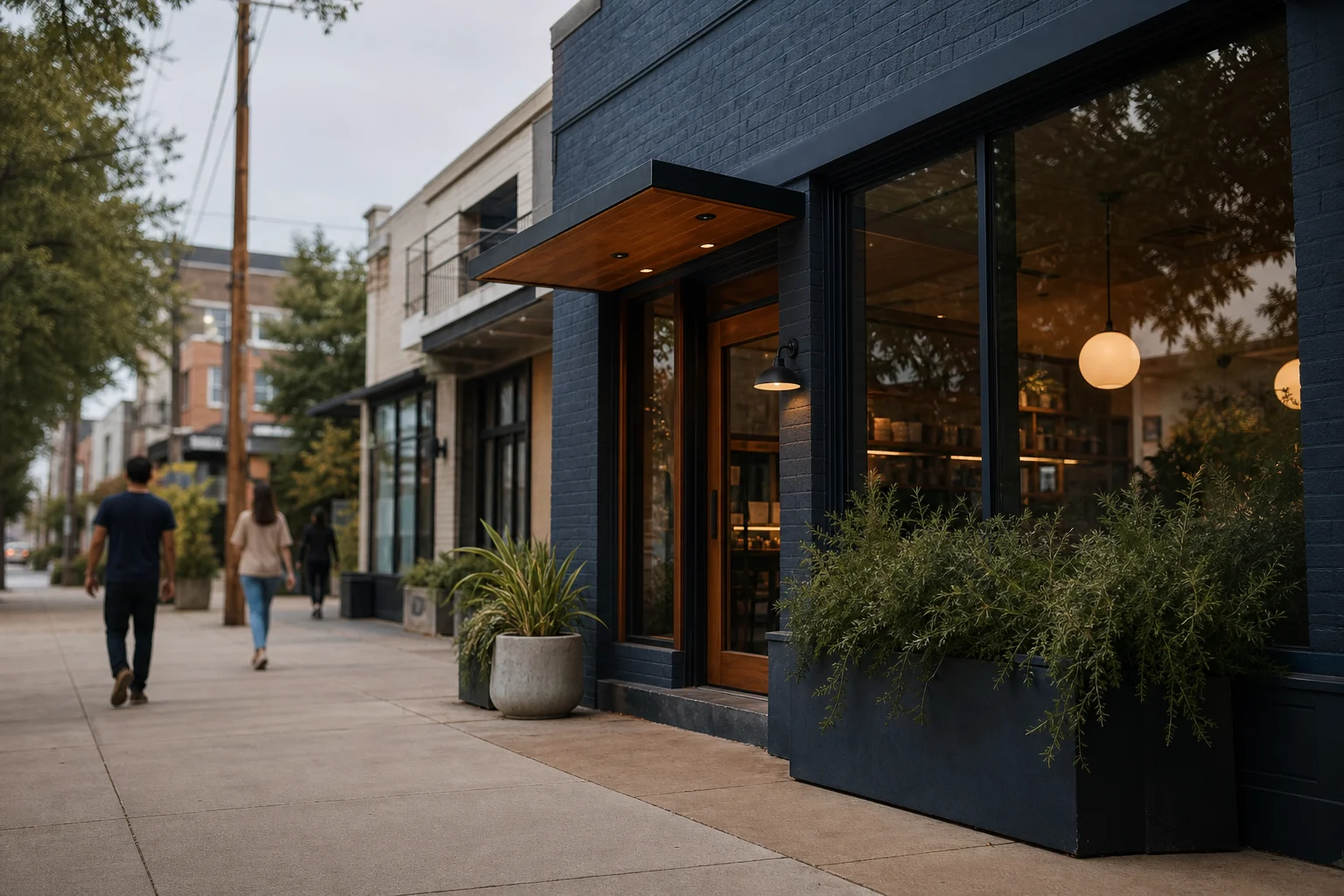
Equipment categories by launch format
Your equipment needs will vary based on your shop's format. A takeout-focused operation requires different equipment than a full-service deli with seating. In Murray Hill, with its maxed-out office density and near-perfect lunch daypart, you'll need efficient equipment to handle high-volume lunch rushes. Consider refrigeration systems that can store ingredients for quick assembly, display cases for showcasing products, and point-of-sale systems optimized for speed.
Tribeca's high affluence suggests customers may appreciate more artisanal presentation equipment, while Times Square's tourist-heavy customer base might require durable equipment that can withstand constant use. Your equipment selection should align with your target customer base and operational needs, not just aesthetic preferences. The market temperature being mixed means you'll need equipment that can adapt to changing customer demands.
Buildout assumptions that change the budget
Buildout assumptions significantly impact your equipment budget. In New York's high-rent areas, where rent is roughly $90-140/sqft NNN, space efficiency becomes paramount. Murray Hill's ≈10,500 weekday lunch workers within 800m means you'll need compact, multi-functional equipment to maximize limited square footage. Every square foot counts when rent levels are high.
Tribeca's strong office density and high affluence might justify higher-end equipment that enhances the customer experience. Times Square's unmatched pedestrian volume and transit connectivity require equipment that can handle peak periods without compromising service quality. Your buildout should reflect the specific demands of your chosen location, whether it's the young-professional residential base in Murray Hill or the theater-goers in Times Square.
New vs used equipment tradeoffs
Choosing between new and used equipment involves tradeoffs that affect both initial costs and long-term reliability. In New York's market, where rent levels are high, minimizing upfront equipment costs might be tempting with used options. However, used equipment comes with higher maintenance risks and potentially shorter lifespans, which could impact your operations in high-traffic areas.
New equipment offers warranties, energy efficiency, and the latest technology, but requires a larger initial investment. Consider your business's growth projections and the specific demands of your chosen location when making this decision. The competition density being medium means you'll need equipment that helps you stand out while maintaining operational efficiency.
What to inspect in a second-generation space
When evaluating a second-generation space in New York's competitive market, thorough inspection of existing equipment and infrastructure is crucial. In areas like Tribeca, where Stage Door Delicatessen (4.5★, 1,845 reviews) and Pisello Italian Panini (4.8★, 1,781 reviews) are nearby, understanding what equipment remains and its condition can significantly impact your budget.
Check for gas lines, electrical capacity, ventilation systems, and plumbing that meet health department requirements. In Times Square, where no direct sandwich-deli competitors were found in the immediate area, the existing infrastructure might not be optimized for your specific needs. Always verify that existing equipment can be repurposed or if complete replacement is necessary, factoring in both costs and operational efficiency.
FAQ
What equipment do I need for A Sandwich and Deli Shop in New York?
Your equipment needs will depend on your specific concept and location. In high-density areas like Murray Hill with its ≈10,500 weekday lunch workers within 800m, you'll need efficient refrigeration, preparation surfaces, cooking equipment, display cases, and point-of-sale systems. Tribeca's high affluence might justify more specialized equipment for artisanal products.
Essential categories include refrigeration (reach-in units, prep tables), food preparation (slicers, mixers, work tables), cooking (grills, ovens, toasters), serving (display cases, warming units), and POS systems. Always ensure your equipment meets New York City's health department requirements. The score confidence being 78% means you can rely on this equipment planning guidance while remaining flexible to local market conditions.
Last reviewed: 2026-05-08
Sources: U.S. Census Bureau ACS, LEHD LODES, Google Places, OpenStreetMap, Locavisor neighborhood scoring.
Methodology: Locavisor scores neighborhoods across demand, competition fit, rent fit, accessibility, and customer match. Scores reflect a snapshot of recent data and should be combined with on-the-ground research before lease decisions.
Disclaimer: This article provides informational content only and does not constitute legal, financial, accounting, or real-estate advice. Verify lease terms, licensing, local regulations, costs, and professional requirements with qualified local professionals before making business decisions.
Free preview shows top 3 neighborhoods. Full $9.99 report covers all 10 areas with personalized scoring + 90-day check-ins.
Informational only. Verify lease, licensing, local regulations, costs, and professional requirements with qualified local professionals.