Phoenix, AZ · sandwich and deli shop
Sandwich and deli shop equipment costs Phoenix
Opening a sandwich and deli shop in Phoenix means balancing equipment choices with local market realities. High-rent neighborhoods, utility constraints, and competition from established players like Zookz Sandwiches or Cheba Hut "Toasted" Subs shape how you allocate resources. Equipment and buildout planning isn't just about buying tools-it's about aligning your kitchen layout with Phoenix's rent bands, customer flow, and operational needs.
What equipment do you need to open a sandwich and deli shop in Phoenix?
A core sandwich and deli setup requires refrigeration, prep stations, cooking appliances, and service counters. Start with:
- Refrigeration: Reach-in coolers for ingredients (meats, cheeses, produce) and freezers for bulk storage.
- Prep tables: Stainless steel stations for assembly, with built-in refrigeration to keep ingredients fresh.
- Cooking equipment: Ovens (conveyor or deck), grills, or toasters for heating subs.
- Service counters: Point-of-sale (POS) stations, display cases for pre-made items, and seating if offering dine-in.
- Cleaning and safety: Dishwashers, hand sinks, and fire suppression systems.
These items form the backbone of your kitchen, but their size and placement depend on your chosen neighborhood's layout and rent costs.
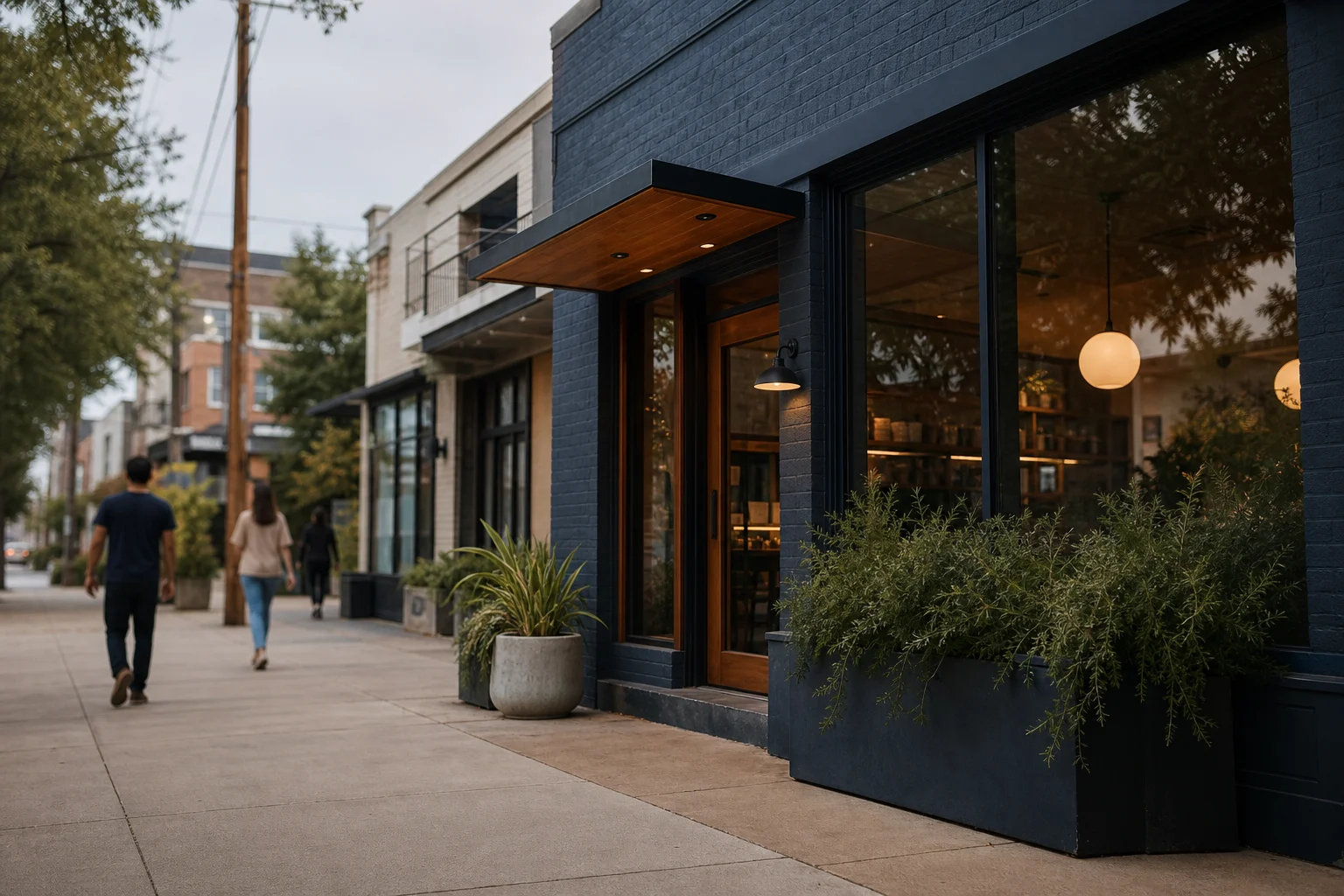
Buildout cost categories
Buildout costs fall into five key areas, each influenced by Phoenix's local factors:
Plumbing and electrical
Older buildings in neighborhoods like Roosevelt Row or Downtown Phoenix may require upgrades to meet health codes. For example, a 100-amp electrical service might suffice for a small deli, but a larger space in Camelback Corridor (with $48/sqft/yr NNN rent) could need 200 amps to power multiple refrigerators and ovens. Plumbing must handle grease traps and hand-washing stations, which are non-negotiable for health inspections.
HVAC and ventilation
Sandwich shops generate heat and odors, so proper ventilation is critical. In high-rent areas like Camelback Corridor, where spaces are smaller, a high-efficiency HVAC system prevents overheating and maintains air quality. Roosevelt Row's mix of office and retail spaces may have existing ductwork, but verify if it can handle additional kitchen loads.
Flooring and finishes
Stainless steel or epoxy flooring resists grease and is easy to clean-standard for delis. In North Central Phoenix, where rent bands are $26-$65/sqft/yr NNN, durable finishes reduce long-term maintenance. Avoid carpet, which traps food particles and odors.
Permits-driven items
Phoenix requires permits for plumbing, electrical, and food service equipment. The Arizona Department of Health Services inspects kitchens, so ensure your layout meets their spacing and safety rules. For example, hand sinks must be within 25 feet of prep areas, a detail that impacts equipment placement.
Furniture and signage
Dine-in spaces need tables and chairs, while takeout-focused shops prioritize counter space. Signage must comply with Phoenix's zoning laws-check with the city for height and visibility restrictions. In Downtown Phoenix, where rent bands are $26-$65/sqft/yr NNN, clear signage helps attract foot traffic near Arizona State University's campus.
Equipment line items to validate in Phoenix
Not all equipment is equal-validate these based on your neighborhood:
- Refrigeration: A 6-door reach-in cooler works for a small deli, but a 12-door unit may be needed in Camelback Corridor to stock premium meats.
- Prep tables: Mobile stations save space in compact Roosevelt Row locations, while fixed tables suit larger Downtown Phoenix spaces.
- Cooking appliances: Conveyor ovens speed up service for busy spots like Cheba Hut's Roosevelt Row location, which handles high volume.
| Neighborhood | Rent Band (NNN) | Key Equipment Considerations |
|---|
How established operators in Phoenix configure their kitchens
Local players offer clues about effective setups:
- Zookz Sandwiches (Camelback Corridor): Uses a compact prep area with a single reach-in cooler, prioritizing speed for mall and office workers.
- Cheba Hut "Toasted" Subs (Roosevelt Row): Employs a conveyor oven and multiple prep tables to handle First Friday crowds, with outdoor seating to leverage the area's foot traffic.
- Potbelly (Downtown Phoenix): Features a visible kitchen with stainless steel surfaces, aligning with the neighborhood's mix of office and student patrons.
These setups balance functionality with customer experience-critical for standing out in Phoenix's competitive market.
Used vs. new vs. lease
- Used equipment: Cheaper upfront, but may lack warranties. Check for wear in high-use areas like ovens.
- New equipment: Comes with warranties and energy efficiency, ideal for long-term savings in high-rent areas.
- Leased equipment: Reduces upfront costs, but monthly payments add up. Consider leasing refrigeration in neighborhoods like Old Town Scottsdale ($26-$65/sqft/yr NNN) to preserve capital.
Buildout timeline
Permits and contractor availability drive timelines. Phoenix's permitting process can take a variable local timeline, with inspections adding a variable local timeline. Factor in time for equipment delivery-local suppliers may have shorter lead times than national brands.
Common buildout overruns
Unexpected costs often stem from:
- Plumbing/electrical upgrades: Older buildings in Roosevelt Row may need rewiring.
- Permit delays: Health department inspections can uncover issues, delaying opening.
- Equipment modifications: Customizing a prep table to fit a narrow Camelback Corridor space may cost more than expected.
| Neighborhood | Locavisor score | Rent band | Local operator signal | Founder validation check |
|---|---|---|---|---|
| Camelback Corridor | 7.4/10 | $48/sqft/yr NNN | Zookz Sandwiches, Safeway Deli | Check utility capacity, ventilation, plumbing, storage, and fixture layout. |
| Old Town Scottsdale | 7.0/10 | $26-$65/sqft/yr NNN | Port of Subs | Check utility capacity, ventilation, plumbing, storage, and fixture layout. |
| Roosevelt Row | 6.7/10 | $26-$65/sqft/yr NNN | Cheba Hut "Toasted" Subs, Jersey Mike's Subs | Check utility capacity, ventilation, plumbing, storage, and fixture layout. |
| North Central Phoenix | 6.3/10 | $26-$65/sqft/yr NNN | No direct operator listed | Check utility capacity, ventilation, plumbing, storage, and fixture layout. |
| Downtown Phoenix | 6.3/10 | $26-$65/sqft/yr NNN | Jersey Mike's Subs, Potbelly | Check utility capacity, ventilation, plumbing, storage, and fixture layout. |
FAQ
Q: What equipment do I need to open a sandwich and deli shop in Phoenix?
A: Start with refrigeration, prep tables, cooking appliances (ovens/grills), service counters, and cleaning systems. Tailor sizes to your neighborhood's space-compact for Camelback Corridor, flexible for Roosevelt Row.
Q: How do rent bands affect equipment choices?
A: High-rent areas like Camelback Corridor ($48/sqft/yr NNN) require space-efficient equipment, while lower-rent neighborhoods (e.g., North Central Phoenix, $26-$65/sqft/yr NNN) allow for larger setups.
Q: Can I use used equipment in Phoenix?
A: Yes, but inspect for wear. Local suppliers in Roosevelt Row or Downtown Phoenix may have used gear, but verify functionality to avoid downtime.
Last reviewed: 2026-05-30
Sources: U.S. Census Bureau ACS, LEHD LODES, Google Places, OpenStreetMap, Locavisor neighborhood scoring.
Methodology: Locavisor scores neighborhoods across demand, competition fit, rent fit, accessibility, and customer match. Scores reflect a snapshot of recent data and should be combined with on-the-ground research before lease decisions.
Disclaimer: This article provides informational content only and does not constitute legal, financial, accounting, or real-estate advice. Verify lease terms, licensing, local regulations, costs, and professional requirements with qualified local professionals before making business decisions.
Free preview shows top 3 neighborhoods. Full $9.99 report covers all 10 areas with personalized scoring + 90-day check-ins.
Informational only. Verify lease, licensing, local regulations, costs, and professional requirements with qualified local professionals.