Portland, OR · sandwich and deli shop
Sandwich and deli shop equipment costs Portland
Planning your sandwich and deli shop equipment costs in Portland requires careful consideration of your business format, location, and buildout requirements. The right equipment investment can make or break your operations, especially in a competitive market like Portland's food scene. This guide breaks down equipment categories, buildout considerations, and location-specific factors that impact your budget.
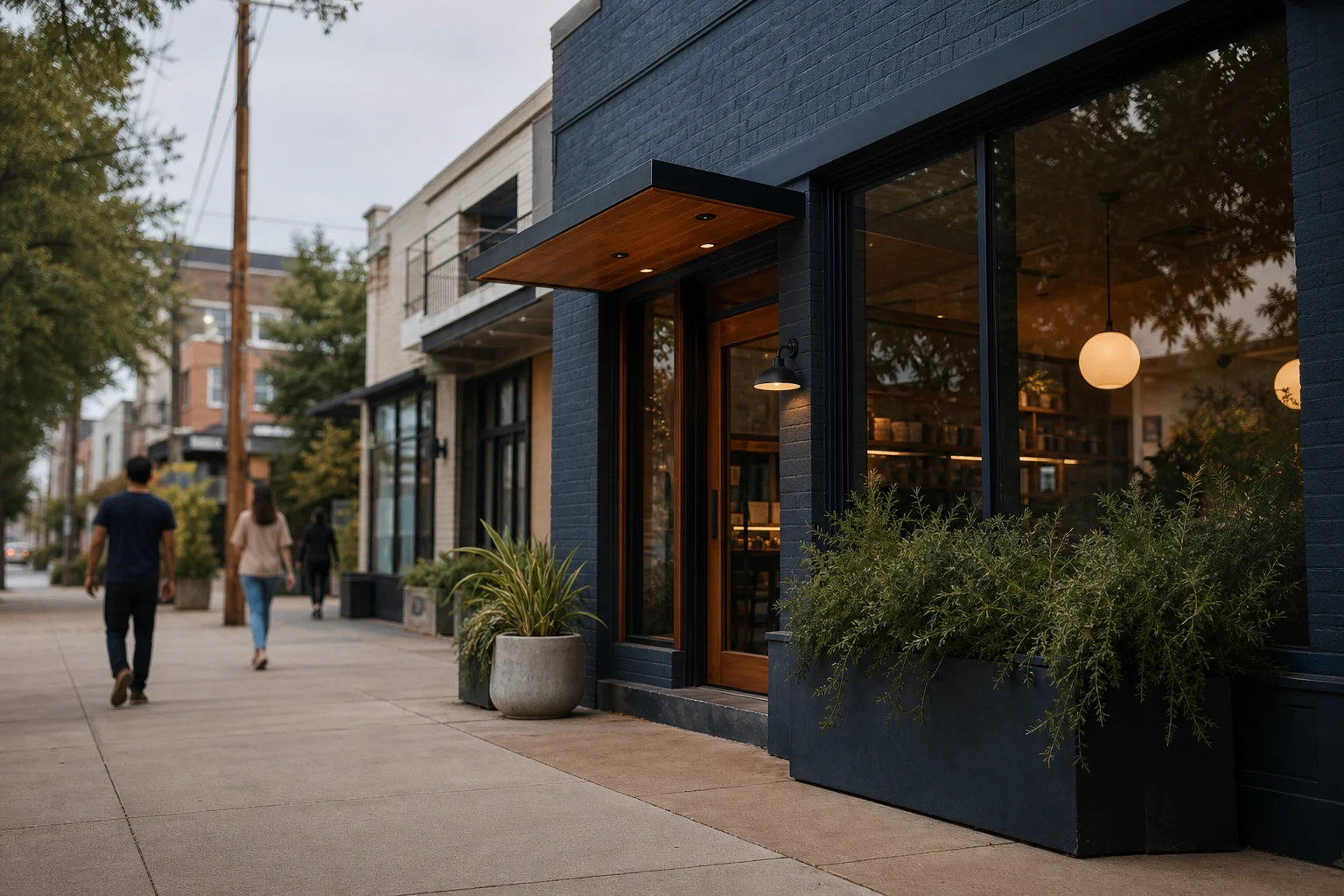
Equipment categories by launch format
Your sandwich and deli shop equipment needs will vary significantly based on your business format. A takeout-first concept requires different equipment than a full-service deli with seating. Portland's market conditions suggest that a streamlined approach might work well, especially in areas like St. Johns where zero direct competitors exist.
Essential equipment categories include food preparation stations, refrigeration units, cooking equipment, serving stations, and point-of-sale systems. Each category comes with different cost implications and space requirements. For a takeout-focused operation in Portland, you might prioritize efficient preparation stations and robust refrigeration over extensive seating areas.
The equipment you choose should align with your menu offerings and service style. A sandwich shop focusing on artisanal breads and premium ingredients might invest in specialized proofing equipment, while a traditional deli might prioritize meat slicers and sandwich assembly stations. Portland's diverse food scene offers inspiration but also sets customer expectations for quality and presentation.
Buildout assumptions that change the budget
Buildout requirements significantly impact your sandwich and deli shop equipment costs in Portland. The condition of your chosen space will determine how much you need to invest in plumbing, electrical work, ventilation, and layout modifications. Portland's different neighborhoods present varying buildout scenarios.
In St. Johns, where rent is manageable, you might find spaces that require minimal buildout, allowing more budget for quality equipment. The area's above-average office index at Workshop St Johns and Cathedral Park Place suggests a daytime customer base that could support a streamlined operation with efficient buildout.
The Hollywood District's walkable, transit-served corridor with strong residential density might require different buildout considerations. With existing sandwich-deli operators like Aunt Tillie's Deli & Pub (4.7★, 310 reviews) and Market Sandwich (3.2★, 6 reviews), you'll need to match their service standards while differentiating your offering. This might influence your buildout priorities and equipment investments.
Downtown Portland presents the most challenging buildout scenario with rent roughly $30-50/sqft NNN. The area's three direct competitors (Potbelly at 4.2★/903 reviews, another Potbelly at 4.0★/251 reviews, Subway at 3.6★/236 reviews, and Addy's Sandwich Bar at 4.6★/213 reviews) mean you'll need to invest in both quality equipment and distinctive buildout to stand out.
New vs used equipment tradeoffs
When planning your sandwich and deli shop equipment costs in Portland, the new versus used equipment decision requires careful analysis. New equipment offers reliability, warranty protection, and energy efficiency but comes with a higher upfront cost. Used equipment can significantly reduce initial expenses but may require more maintenance and have a shorter useful life.
Portland's mixed market temperature suggests that a balanced approach might work well. Investing in critical, high-use equipment new while considering used options for less frequently used items could optimize your budget. The lower rent levels in areas like St. Johns and Hollywood District ($20-35/sqft NNN) might allow for more flexibility in equipment purchasing decisions.
The medium competition density across Portland's neighborhoods means you'll need equipment that supports efficient operations without excessive investment. A well-planned equipment strategy that balances new and used purchases can help you maintain quality while controlling costs. Consider the total cost of ownership, including maintenance, energy consumption, and potential downtime when making purchasing decisions.
What to inspect in a second-generation space
When evaluating existing spaces for your sandwich and deli shop in Portland, thorough inspection of existing equipment and infrastructure can significantly impact your budget. A second-generation space with well-maintained equipment might reduce your initial investment, but careful assessment is crucial to avoid unexpected costs.
In St. Johns, where zero direct competitors exist, finding a space with existing food service equipment could provide a competitive advantage. However, verify that the equipment meets current health codes and can support your specific menu requirements. The 22-minute drive from downtown means you'll need equipment that can operate reliably with potentially less immediate access to maintenance services.
The Hollywood District's existing sandwich-deli operators suggest that spaces may come with some equipment already in place. When inspecting these spaces, evaluate whether the existing equipment aligns with your concept and menu. The area's strong residential density and retail vibrancy mean you'll need equipment that can handle varying customer volumes throughout the day.
Downtown Portland's sandwich shop cluster means spaces are likely to have food service equipment, but the high rent ($30-50/sqft NNN) means you'll want to maximize the value of any existing infrastructure. Carefully assess the condition and capacity of existing equipment to determine if it meets your needs or if replacement is necessary.
FAQ
What equipment do I need for A Sandwich and Deli Shop in Portland?
Essential equipment includes refrigeration units (reach-in coolers, prep tables), cooking equipment (griddles, toasters, ovens), food preparation stations, meat slicers, sandwich assembly equipment, point-of-sale systems, and storage solutions. The specific equipment needed will depend on your menu, service style, and business format.
How does location affect equipment costs in Portland?
Different Portland neighborhoods present varying equipment cost scenarios. Areas with lower rent like St. Johns and Hollywood District ($20-35/sqft NNN) may allow for more equipment investment, while higher-rent areas like Downtown ($30-50/sqft NNN) might require more budget-conscious equipment choices.
Should I buy new or used equipment for my Portland sandwich shop?
A balanced approach often works best: invest in critical, high-use equipment new while considering used options for less frequently used items. Portland's mixed market temperature suggests flexibility in equipment purchasing decisions based on your specific budget and business needs.
How does competition impact equipment planning in Portland?
Portland's medium competition density means you'll need equipment that supports efficient operations while allowing for differentiation. In areas with existing operators like Hollywood District (Aunt Tillie's Deli & Pub, Market Sandwich) and Downtown (multiple Potbelly locations, Subway, Addy's Sandwich Bar), equipment choices should help you stand out while maintaining operational efficiency.
What buildout factors should I consider for my Portland sandwich shop?
Key buildout considerations include plumbing capacity for sinks and dishwashers, electrical requirements for equipment, ventilation systems for cooking areas, and layout optimization for workflow. The specific buildout needs will vary based on your chosen neighborhood and existing space conditions.
Last reviewed: 2026-05-08
Sources: U.S. Census Bureau ACS, LEHD LODES, Google Places, OpenStreetMap, Locavisor neighborhood scoring.
Methodology: Locavisor scores neighborhoods across demand, competition fit, rent fit, accessibility, and customer match. Scores reflect a snapshot of recent data and should be combined with on-the-ground research before lease decisions.
Disclaimer: This article provides informational content only and does not constitute legal, financial, accounting, or real-estate advice. Verify lease terms, licensing, local regulations, costs, and professional requirements with qualified local professionals before making business decisions.
Free preview shows top 3 neighborhoods. Full $9.99 report covers all 10 areas with personalized scoring + 90-day check-ins.
Informational only. Verify lease, licensing, local regulations, costs, and professional requirements with qualified local professionals.