San Francisco, CA · sandwich and deli shop
Sandwich and deli shop equipment costs San Francisco
For small business founders planning a sandwich and deli shop in San Francisco, understanding equipment costs is crucial for budgeting and planning. The city's high rent levels and competitive market make equipment decisions particularly impactful on your startup costs and operational efficiency. Locavisor neighborhood scoring shows that the Tenderloin ranks #1 for a sandwich-deli on paper with a score of 7.0/10, making it a promising area despite medium competition density.
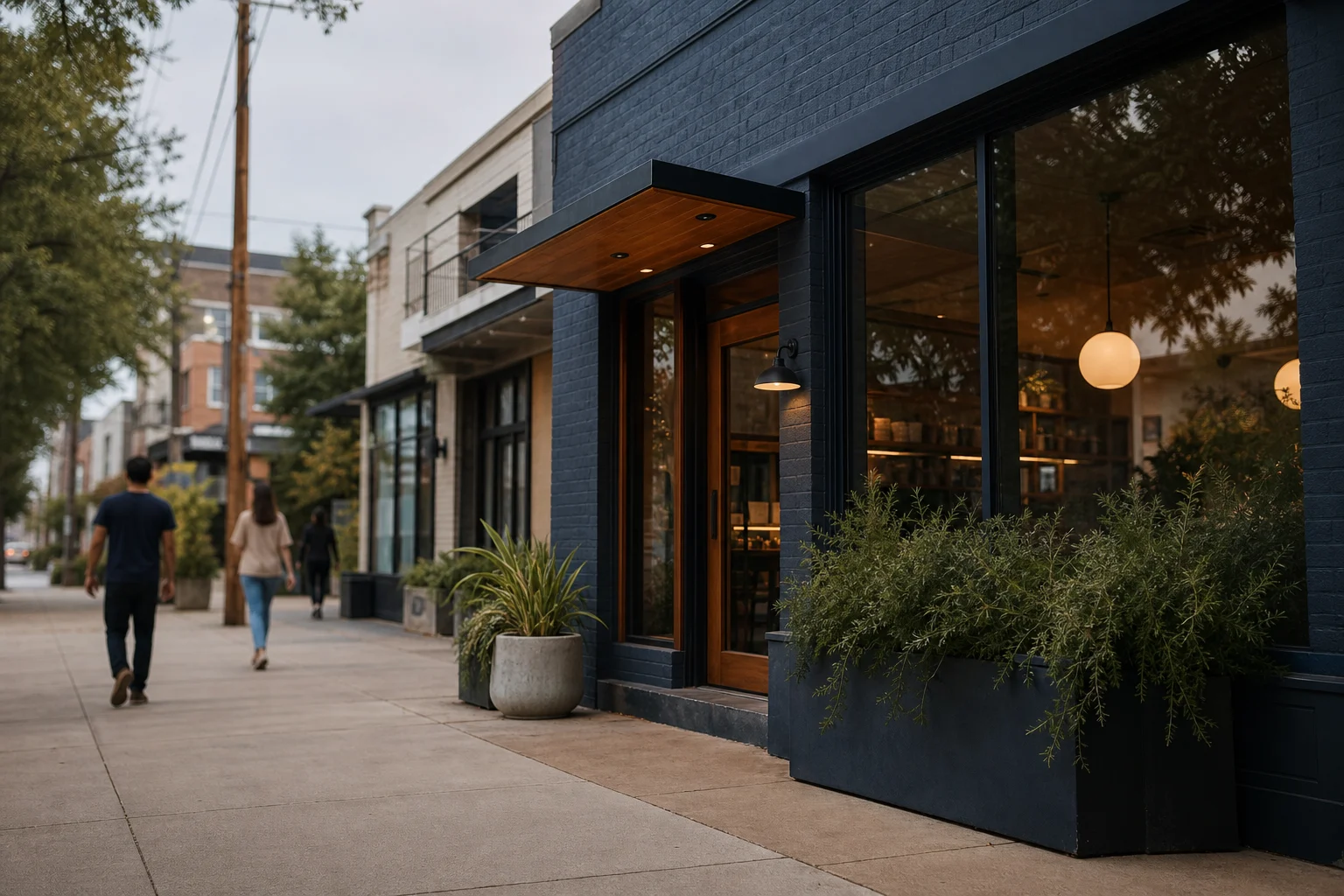
Equipment categories by launch format
When planning your sandwich and deli shop in San Francisco, equipment needs vary significantly based on your chosen format. A full-service deli with seating requires different equipment than a counter-service operation or a grab-and-go model. The Tenderloin's maxed-out walkability and transit connectivity mean foot traffic is the best in the city, but your equipment must handle high-volume service during peak lunch hours.
Refrigeration equipment forms the backbone of any sandwich and deli operation. Walk-in coolers, prep refrigerators, and display cases must accommodate your menu offerings while meeting San Francisco's health department requirements. The Nob Hill area offers strong office-worker lunch demand with excellent transit connectivity, suggesting that equipment capable of handling lunch rushes is essential wherever you locate.
Food preparation equipment includes slicers, mixers, and work tables that must align with your production volume. Chinatown delivers maximum office-worker lunch demand with world-class transit access, but punishing rent levels of roughly $65-95/sqft NNN mean your equipment choices must balance initial investment with long-term durability. The high ceiling in this market means equipment that can scale with your growth is worth considering.
Point-of-sale systems represent another critical category. Your POS must handle inventory management, sales tracking, and potentially online ordering. The Tenderloin corridor's lunch demand is near ceiling, so a POS system that can manage peak-hour transactions without slowdowns is non-negotiable. With two direct competitors nearby (Saigon Sandwich at 4.5★/1,581 reviews and a Subway), your operational efficiency becomes a competitive advantage.
Buildout assumptions that change the budget
Buildout requirements significantly impact your sandwich and deli shop startup costs in San Francisco. The high rent level across all top areas means your buildout budget must be carefully allocated to maximize return. In the Tenderloin, where walk-in traffic is concentrated, front-of-house presentation equipment like display cases and menu boards may take priority over back-of-house upgrades.
Ventilation systems represent a major buildout consideration. Cooking equipment generates heat and requires proper ventilation to meet San Francisco's building codes. Nob Hill's upscale residential base adds dinner potential, meaning your ventilation system must handle extended operating hours if you plan to serve dinner. The hilltop location also means equipment placement must consider workflow efficiency in potentially smaller spaces.
Plumbing requirements for hand sinks, dishwashing stations, and floor drains add another layer to buildout planning. Chinatown's high floor cost means plumbing decisions should prioritize durability and low maintenance to minimize future disruptions. With two established sandwich operators (Molinari Delicatessen at 4.7★/1,417 reviews and Mendocino Farms at 4.2★/336 reviews) already serving the corridor, your buildout should support a differentiated concept that stands out.
Electrical infrastructure must support all your equipment simultaneously during peak hours. The 70% score confidence in Locavisor's neighborhood data suggests that while areas are well-understood, individual properties may have varying electrical capacities. In the Tenderloin, where daytime population density is highest, electrical systems that won't overload during lunch rushes are essential for reliability.
New vs used equipment tradeoffs
The decision between new and used equipment affects your sandwich and deli shop startup costs in San Francisco. New equipment typically comes with warranties and energy efficiency benefits, but represents a higher upfront investment. The high rent level in San Francisco means you'll need to balance equipment costs with your lease obligations.
Used equipment can significantly reduce initial outlays, but carries higher maintenance risks. In the Tenderloin, where competition density is medium, equipment reliability becomes a competitive advantage. A used refrigerator that breaks down during peak hours could cost you more in lost sales than the savings from purchasing used.
Energy efficiency represents another consideration in your equipment decisions. San Francisco's environmental regulations may incentivize energy-efficient equipment, potentially offering rebates that offset higher initial costs. Nob Hill's excellent transit connectivity suggests that customers may value sustainability, making energy-efficient equipment a potential marketing advantage.
Equipment financing options can spread costs over time, improving cash flow. The promising market temperature in San Francisco suggests that revenue growth may support equipment financing payments. However, with rent levels high, monthly equipment payments should be carefully balanced with your lease obligations to maintain financial flexibility.
What to inspect in a second-generation space
When considering a second-generation space for your sandwich and deli shop in San Francisco, equipment infrastructure should be thoroughly evaluated. The existing layout may offer cost savings, but must align with your operational needs. In the Tenderloin, where walkability and transit are maxed out, a space with existing refrigeration infrastructure could significantly reduce buildout costs.
Plumbing infrastructure deserves particular attention. Existing sinks, drains, and connections must meet your needs and comply with San Francisco health codes. Chinatown's punishing rent levels make maximizing existing infrastructure essential. With world-class transit access, a location with adequate plumbing for your specific equipment needs could save substantial renovation costs.
Electrical capacity must support your equipment requirements. The 6.6/10 score for Chinatown reflects its high ceiling, high floor, high cost nature, meaning electrical upgrades could represent a significant expense. When inspecting potential spaces, verify that electrical panels can handle your equipment load without requiring expensive upgrades.
Ventilation systems should be evaluated for compatibility with your cooking methods. Nob Hill's strong office-worker lunch demand means equipment that integrates with existing ventilation could save on buildout costs. However, the hilltop location may present challenges for ventilation exhaust, requiring careful assessment.
Storage space is another critical consideration. The Tenderloin's high daytime population density means efficient storage solutions are essential. When inspecting second-generation spaces, evaluate whether existing storage areas can accommodate your inventory needs or whether modifications would be required.
FAQ
What equipment do I need for A Sandwich and Deli Shop in San Francisco?
A sandwich and deli shop in San Francisco requires several categories of equipment to operate efficiently. Refrigeration equipment including walk-in coolers, prep refrigerators, and display cases is essential for food safety and quality. Food preparation equipment such as slicers, mixers, and work tables supports your production capabilities. Point-of-sale systems handle transactions, inventory management, and customer service. Ventilation systems must meet San Francisco's building codes for cooking equipment. Plumbing infrastructure including hand sinks and dishwashing stations is required for health compliance. Storage solutions must accommodate your inventory needs given the city's high rent levels. The specific equipment needs will vary based on your chosen format, menu offerings, and location within San Francisco's top neighborhoods.
Last reviewed: 2026-05-08
Sources: U.S. Census Bureau ACS, LEHD LODES, Google Places, OpenStreetMap, Locavisor neighborhood scoring.
Methodology: Locavisor scores neighborhoods across demand, competition fit, rent fit, accessibility, and customer match. Scores reflect a snapshot of recent data and should be combined with on-the-ground research before lease decisions.
Disclaimer: This article provides informational content only and does not constitute legal, financial, accounting, or real-estate advice. Verify lease terms, licensing, local regulations, costs, and professional requirements with qualified local professionals before making business decisions.
Free preview shows top 3 neighborhoods. Full $9.99 report covers all 10 areas with personalized scoring + 90-day check-ins.
Informational only. Verify lease, licensing, local regulations, costs, and professional requirements with qualified local professionals.