San Jose, CA · sandwich and deli shop
Sandwich and deli shop equipment costs San Jose
Planning a sandwich and deli shop in San Jose requires careful consideration of equipment and buildout costs. The right equipment choices depend on your target location, business model, and budget constraints. San Jose offers several promising neighborhoods for sandwich and deli businesses, each with unique characteristics that impact equipment requirements and buildout planning.
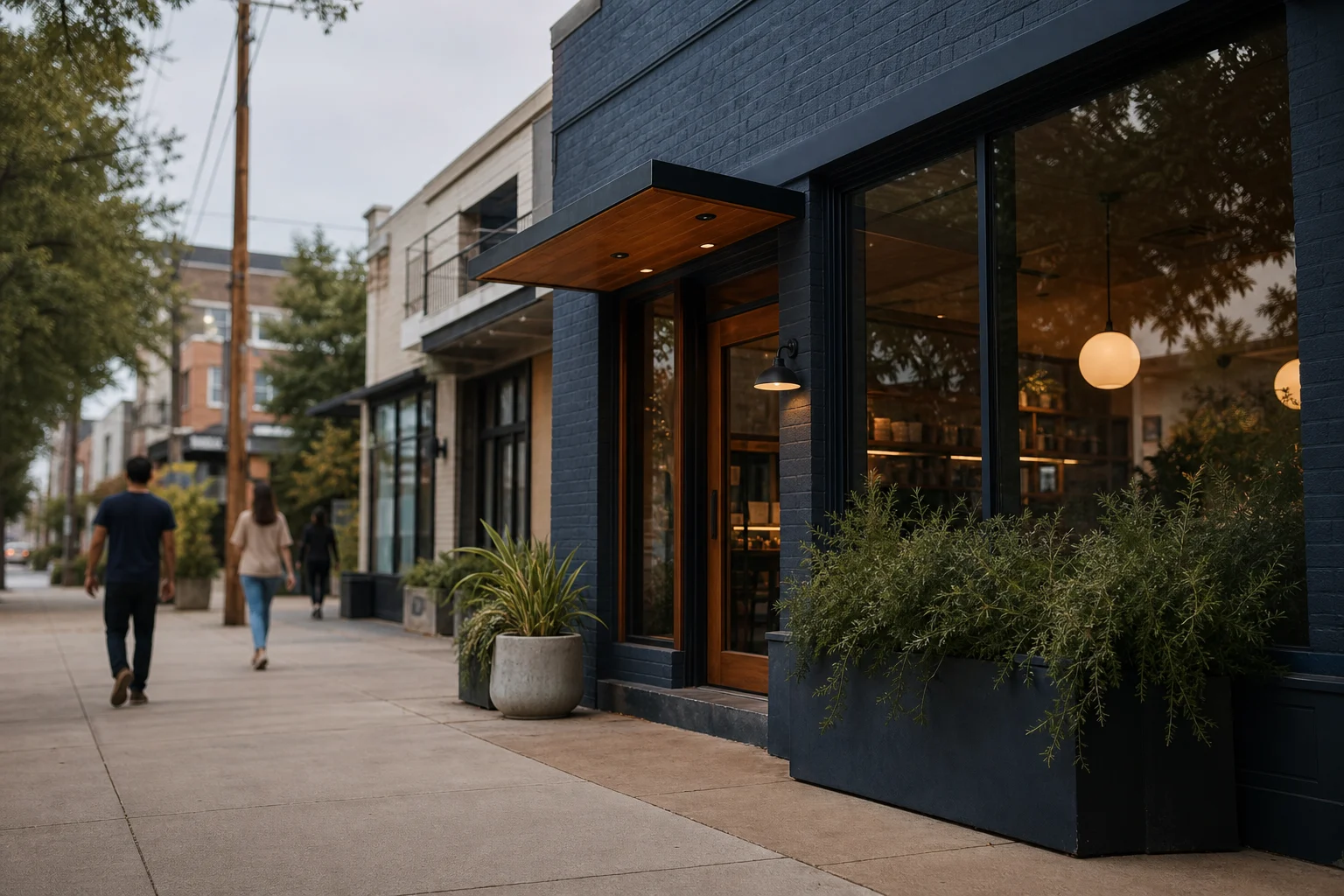
Equipment categories by launch format
The equipment needs for a sandwich and deli shop vary significantly based on your chosen format. Quick-service sandwich shops require different equipment than full-service delis with seating areas. In Santana Row / Valley Fair, the highest-ranked area for a sandwich-deli in San Jose with a score of 6.9/10, you'll need efficient equipment to handle the strong office-lunch daypart. The area already has two direct competitors—Mendocino Farms (4.4★, 855 reviews) and Ike's Love & Sandwiches (4.4★, 327 reviews)—within 500m, suggesting a need for high-volume equipment.
Downtown San Jose ranks second overall with a score of 6.8/10 and represents the strongest pure lunch-corridor play. With SJSU, Adobe HQ, and San Pedro Square anchoring a dense daytime worker and student population, equipment must handle peak lunch rushes. The competition is dense here, with 9 sandwich-deli operators within 800m including Ike's (4.4★, 769 reviews), Lee's Sandwiches (4.3★, 870 reviews), Erik's DeliCafe (4.3★, 130 reviews), and two Subway locations. This environment demands efficient, durable equipment that can maintain throughput during busy periods.
Willow Glen's Lincoln Ave strip, scoring 6.3/10, presents a different scenario. As a walkable, family-oriented village with strong indie-operator culture and zero direct sandwich-deli competitors, this neighborhood play allows for more specialized equipment. The trade-off is a weaker lunch daypart than downtown or Santana Row, since office density is moderate and the customer base skews residential. Equipment here can focus more on quality and variety rather than pure volume.
Buildout assumptions that change the budget
Buildout requirements vary dramatically across San Jose's top sandwich and deli locations. Santana Row / Valley Fair's retail-anchor density and office-lunch focus may require more front-of-house equipment to accommodate the business lunch crowd. The market temperature in this area is mixed, with medium competition density and low rent level, which influences buildout decisions. The 75% score confidence suggests reliable data for planning purposes.
Downtown San Jose's lunch-corridor nature demands different buildout considerations. With Adobe HQ and SJSU driving daytime traffic, your buildout should prioritize efficient service flow and potentially outdoor seating if local regulations permit. The dense competition here means your buildout must differentiate your offering while maintaining operational efficiency. The rent level in downtown is also low, which can offset some buildout costs.
Willow Glen's residential focus allows for a more relaxed buildout approach. Expect roughly $45-70/sqft NNN in this area, which impacts your overall buildout budget. The lack of direct competitors means you can create a unique atmosphere that resonates with the neighborhood's family-oriented character. Your buildout should reflect the indie-operator culture while maintaining functionality for both dine-in and takeout service.
New vs used equipment tradeoffs
Equipment sourcing decisions significantly impact your initial investment. New equipment offers reliability, warranty protection, and energy efficiency but comes with a higher upfront cost. In Santana Row / Valley Fair, where competition is established, new equipment can provide a competitive edge through modern features and consistent performance. The low rent level in this area might allow for investing in higher-quality new equipment.
Used equipment presents a budget-friendly alternative with lower initial costs. In Downtown San Jose, where competition is dense, used equipment can help maintain lower startup costs while allowing for investment in other areas like marketing or staffing. However, used equipment requires careful inspection and may have higher maintenance costs over time. The mixed market temperature in this area makes cost containment particularly important.
Willow Glen's unique position as a neighborhood play with no direct competitors allows for more flexibility in equipment decisions. You might choose a mix of new and used equipment based on your specific needs and budget constraints. The residential customer base may appreciate visible preparation areas, making used but well-maintained equipment a viable option that doesn't compromise on the customer experience.
What to inspect in a second-generation space
When considering a second-generation space for your sandwich and deli shop, thorough inspection is crucial. In Santana Row / Valley Fair, verify that existing infrastructure can support your specific equipment requirements. The established retail environment may have limitations on modifications or equipment types that can be installed. Check for adequate utilities, ventilation, and space allocation that align with your operational needs.
Downtown San Jose's dense competition means second-generation spaces may have been configured for previous operators with different requirements. Inspect the space for proper plumbing, electrical capacity, and ventilation systems that can support your equipment. The lunch-focused nature of this area requires efficient service flow, so evaluate whether the existing layout can be optimized for quick service during peak hours.
Willow Glen's second-generation spaces offer different considerations. As a neighborhood play, these spaces may have been designed for different business models. Inspect for features that align with the residential customer base, such as adequate seating, parking availability, and visibility from the street. The lack of direct competitors means you have more flexibility to customize the space, but thorough inspection is still essential to identify any potential issues that could impact operations.
FAQ
What equipment do I need for A Sandwich and Deli Shop in San Jose?
The essential equipment for a sandwich and deli shop in San Jose includes preparation stations, refrigeration units, cooking equipment, serving counters, and storage solutions. Your specific needs will depend on your chosen location and business format. In Santana Row / Valley Fair, focus on efficient equipment to handle the strong office-lunch daypart. Downtown San Jose requires equipment capable of managing peak lunch rushes, while Willow Glen allows for more specialized equipment suited to a residential customer base.
How does location affect equipment requirements?
Location significantly impacts equipment needs based on customer demographics and competition. Santana Row / Valley Fair's office-lunch focus demands efficient, high-volume equipment. Downtown San Jose's dense competition requires reliable equipment that can maintain throughput during busy periods. Willow Glen's residential base allows for more specialized equipment focused on quality and variety rather than pure volume.
What should I consider when choosing between new and used equipment?
New equipment offers reliability and modern features but comes with higher upfront costs. Used equipment provides budget savings but requires careful inspection and may have higher maintenance costs. Your decision should consider your specific location requirements, budget constraints, and long-term operational needs. Santana Row / Valley Fair's competitive environment might justify investing in new equipment, while Downtown San Jose's dense competition might make used equipment a more cost-effective option.
How does buildout impact my overall budget?
Buildout requirements vary by location and significantly impact your overall budget. Santana Row / Valley Fair's retail environment may require more front-of-house equipment. Downtown San Jose's lunch focus demands efficient service flow, potentially including outdoor seating. Willow Glen's residential focus allows for a more relaxed buildout approach. Expect roughly $45-70/sqft NNN in Willow Glen, which influences your buildout budget decisions.
What should I look for in a second-generation space?
When inspecting a second-generation space, verify that existing infrastructure can support your equipment requirements. Check for adequate utilities, ventilation, and space allocation that align with your operational needs. Santana Row / Valley Fair may have limitations on modifications, Downtown San Jose requires efficient service flow optimization, and Willow Glen offers flexibility for customization based on the residential customer base.
Last reviewed: 2026-05-08
Sources: U.S. Census Bureau ACS, LEHD LODES, Google Places, OpenStreetMap, Locavisor neighborhood scoring.
Methodology: Locavisor scores neighborhoods across demand, competition fit, rent fit, accessibility, and customer match. Scores reflect a snapshot of recent data and should be combined with on-the-ground research before lease decisions.
Disclaimer: This article provides informational content only and does not constitute legal, financial, accounting, or real-estate advice. Verify lease terms, licensing, local regulations, costs, and professional requirements with qualified local professionals before making business decisions.
Free preview shows top 3 neighborhoods. Full $9.99 report covers all 10 areas with personalized scoring + 90-day check-ins.
Informational only. Verify lease, licensing, local regulations, costs, and professional requirements with qualified local professionals.