Seattle, WA · sandwich and deli shop
Sandwich and deli shop equipment costs Seattle
Planning for a sandwich and deli shop in Seattle requires careful consideration of equipment costs and buildout requirements. The right equipment investment depends on your chosen format, location, and operational approach. Seattle's market offers promising opportunities, particularly in neighborhoods like Madrona/Leschi, Eastlake/Cascade, and the Central District.
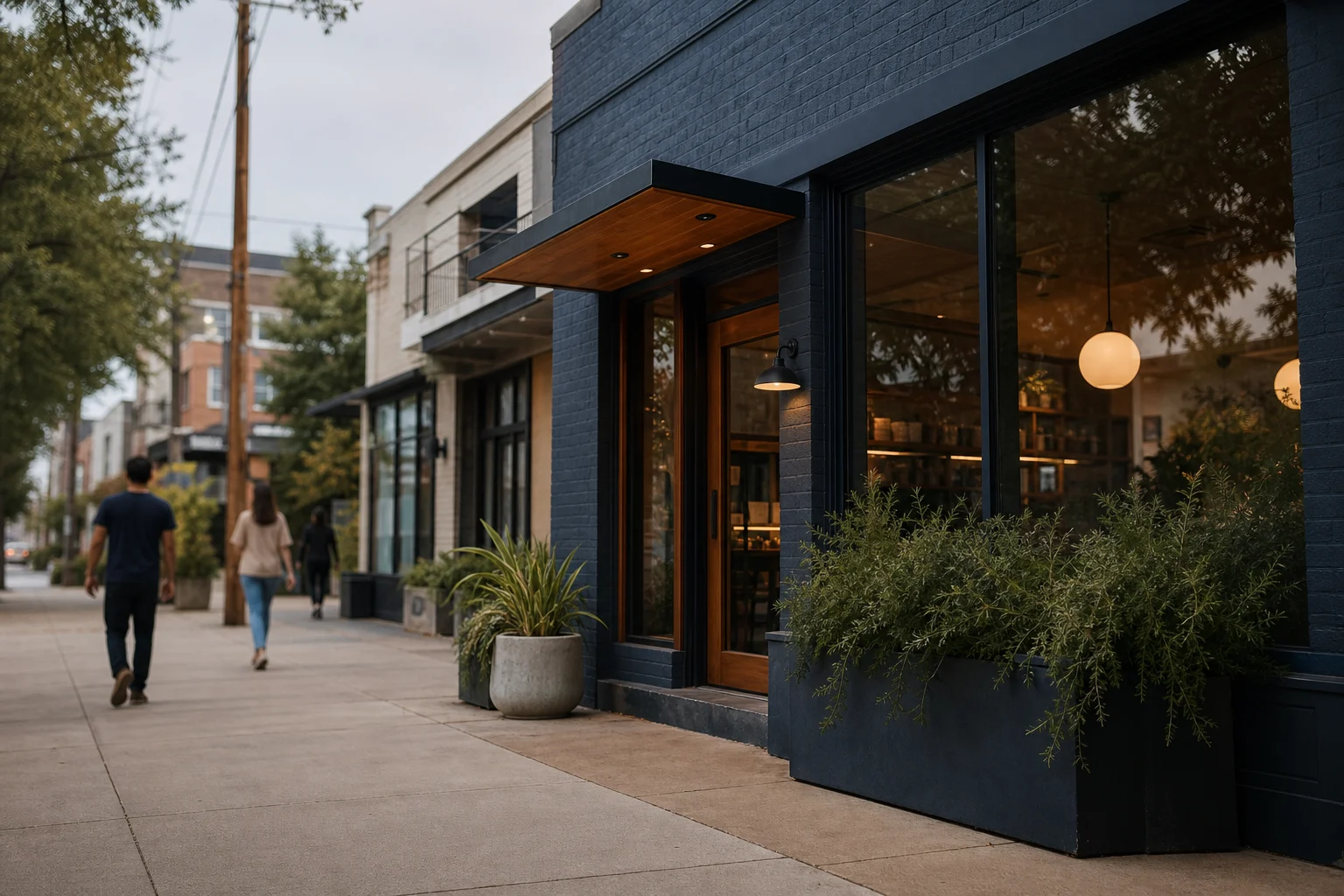
Equipment categories by launch format
For a sandwich and deli shop in Seattle, equipment needs vary significantly based on your operational format. A quick-service model requires different equipment than a full-service deli with seating. Cold storage solutions must accommodate your perishable ingredients while maintaining food safety standards. Preparation equipment needs align with your menu complexity and volume expectations.
Refrigeration represents one of your largest equipment investments. Walk-in coolers and freezers are essential for most operations. Display cases for sandwiches and prepared foods serve both functional and marketing purposes. Prep stations with adequate workspace and storage streamline your workflow during peak hours.
Cooking equipment needs depend on your menu offerings. Basic operations may only require toasting and grilling capabilities. More extensive menus might include fryers for items like french fries or onion rings. Ventilation systems must meet health code requirements regardless of cooking complexity.
Point-of-sale systems integrate with your inventory management and reporting needs. Customer-facing display options range from simple tablets to sophisticated touchscreen systems. Payment processing capabilities should include contactless options to meet modern consumer expectations.
Buildout assumptions that change the budget
Seattle sandwich and deli shop equipment costs vary based on buildout requirements. The condition of your space significantly impacts renovation expenses. Existing plumbing and electrical infrastructure may require upgrades to meet commercial kitchen standards. Floor drains and grease traps are non-negotiable elements that affect your budget.
Madrona/Leschi ranks #1 on paper with maxed-out office index and strong lunch daypart signal. The area has zero direct sandwich-deli competitors within the core. However, office anchors here are thin—coworking spaces and a community center rather than dense corporate campuses. This market positioning influences your equipment needs.
Eastlake/Cascade offers the strongest lunch-corridor play in this set. The office index is maxed out with Amazon's Atlas building and Fred Hutch Eastlake Building nearby. Daytime population density reaches near ceiling levels—roughly 10,500 weekday workers within 800m. This high daytime population supports equipment investments that can handle peak lunch rushes.
The Central District presents strong walkability and near-maxed daytime population density. Its vibrant retail corridor along 23rd Ave creates customer traffic patterns that influence equipment placement. The office index is strong but consists mostly of coworking spaces and small business centers rather than large employers.
Your chosen neighborhood affects equipment scale requirements. High-density areas like Eastlake/Cascade may justify more efficient, higher-volume equipment. Lower-density areas might allow for more flexible, smaller-scale solutions. Rent level considerations impact how much you can invest in premium equipment versus functional alternatives.
New vs used equipment tradeoffs
New equipment offers reliability and warranty protection but comes with higher upfront costs. Used equipment reduces initial investment but carries maintenance and replacement risks. The market temperature in Seattle's sandwich and deli sector influences this decision.
Seattle's promising market temperature suggests business stability that supports new equipment investments. The medium competition density means you need equipment that helps you stand out while maintaining operational efficiency. Low rent levels in top areas like Madrona/Leschi provide budget flexibility for equipment decisions.
New equipment typically features energy efficiency that reduces long-term operating costs. Modern equipment often includes technological advances that improve workflow and inventory management. The 72% score confidence in neighborhood data suggests stable market conditions that support equipment planning.
Used equipment requires thorough inspection of mechanical systems and safety features. Previous maintenance history significantly impacts useful remaining life. The low rent levels in Seattle's top neighborhoods provide financial cushion for potential equipment replacement cycles.
Your business model influences the new versus used decision. High-volume operations benefit from new equipment's reliability and efficiency. Lower-volume operations might find used equipment adequate for their needs. The market temperature and competition density should guide your equipment quality expectations.
What to inspect in a second-generation space
When evaluating existing spaces for your Seattle sandwich and deli shop, equipment inspection is critical. The condition of existing equipment significantly impacts your buildout budget. Functional equipment can reduce initial investment but requires careful assessment.
Inspect refrigeration systems for temperature consistency and energy efficiency. Compressor noise levels affect both equipment longevity and customer experience. Door seals and insulation integrity impact operating costs and food safety.
Check ventilation systems for proper exhaust capacity and make-up air requirements. Hood systems must meet local health department specifications. Fire suppression systems integrated with cooking equipment require certification verification.
Electrical systems should accommodate your equipment load without upgrades. Gas lines need proper pressure and flow rates for your cooking equipment. Plumbing systems must handle simultaneous use of multiple fixtures without pressure drops.
Floor conditions impact both equipment installation and long-term maintenance. Look for signs of water damage that could indicate underlying issues. The structural integrity of equipment anchoring points affects installation requirements and safety compliance.
The 2026-05 data vintage means equipment inspection should consider current technology standards. Equipment that meets today's efficiency standards reduces long-term operating costs. The market temperature suggests stable conditions that support equipment investment decisions.
FAQ
What equipment do I need for A Sandwich and Deli Shop in Seattle?
A sandwich and deli shop in Seattle requires refrigeration equipment including walk-in coolers and display cases. Preparation equipment includes sandwich stations, slicers, and prep tables. Cooking equipment typically consists toasters, grills, and possibly fryers depending on your menu. Point-of-sale systems should integrate with inventory management and include contactless payment options. Ventilation systems must meet health code requirements for your cooking equipment.
How does location affect equipment needs for a Seattle sandwich and deli shop?
Location significantly impacts equipment requirements based on customer volume and expectations. High-density areas like Eastlake/Cascade with 10,500 weekday workers within 800m support higher-volume equipment investments. Neighborhoods with strong lunch daypart signals like Madrona/Leschi justify equipment optimized for peak-hour efficiency. Areas with vibrant retail corridors like the Central District along 23rd Ave may require equipment that enhances customer visibility and experience.
What are the key equipment categories for a Seattle sandwich and deli shop?
Key equipment categories include refrigeration systems for food safety, preparation stations for workflow efficiency, cooking equipment aligned with your menu, point-of-sale systems for operations management, and ventilation systems meeting health requirements. Each category should be selected based on your specific menu, volume expectations, and operational approach.
How does Seattle's market temperature affect equipment planning?
Seattle's promising market temperature suggests business stability that supports equipment investment decisions. The medium competition density means equipment should help differentiate your offering while maintaining operational efficiency. The low rent levels in top neighborhoods provide budget flexibility for equipment choices that balance quality with cost considerations.
What should I consider when choosing between new and used equipment for my Seattle deli?
Consider reliability needs, warranty protection, energy efficiency, and technological requirements. New equipment offers these benefits but at higher upfront costs. Used equipment reduces initial investment but carries maintenance risks. The market temperature and competition density should guide your equipment quality expectations, while rent levels impact your budget flexibility.
How does neighborhood scoring impact equipment planning for a Seattle sandwich shop?
Neighborhood scoring like Madrona/Leschi's 7.5/10 rating indicates areas with strong potential for your business. The office index and daypart signals help determine appropriate equipment scale. Areas with zero direct competitors within the core, like Madrona/Leschi, may justify equipment investments that create a strong market entry. The 72% score confidence suggests stable conditions supporting equipment planning decisions.
Last reviewed: 2026-05-08
Sources: U.S. Census Bureau ACS, LEHD LODES, Google Places, OpenStreetMap, Locavisor neighborhood scoring.
Methodology: Locavisor scores neighborhoods across demand, competition fit, rent fit, accessibility, and customer match. Scores reflect a snapshot of recent data and should be combined with on-the-ground research before lease decisions.
Disclaimer: This article provides informational content only and does not constitute legal, financial, accounting, or real-estate advice. Verify lease terms, licensing, local regulations, costs, and professional requirements with qualified local professionals before making business decisions.
Free preview shows top 3 neighborhoods. Full $9.99 report covers all 10 areas with personalized scoring + 90-day check-ins.
Informational only. Verify lease, licensing, local regulations, costs, and professional requirements with qualified local professionals.