Boston, MA · ice cream shop
Best neighborhoods for an ice cream shop in Boston
Finding the perfect location is critical for any ice cream shop business. When considering where to open an ice cream shop in Boston, you need to balance foot traffic, competition, rent costs, and customer demographics. This guide ranks the best areas for an ice cream shop in Boston based on Locavisor's neighborhood scoring methodology.
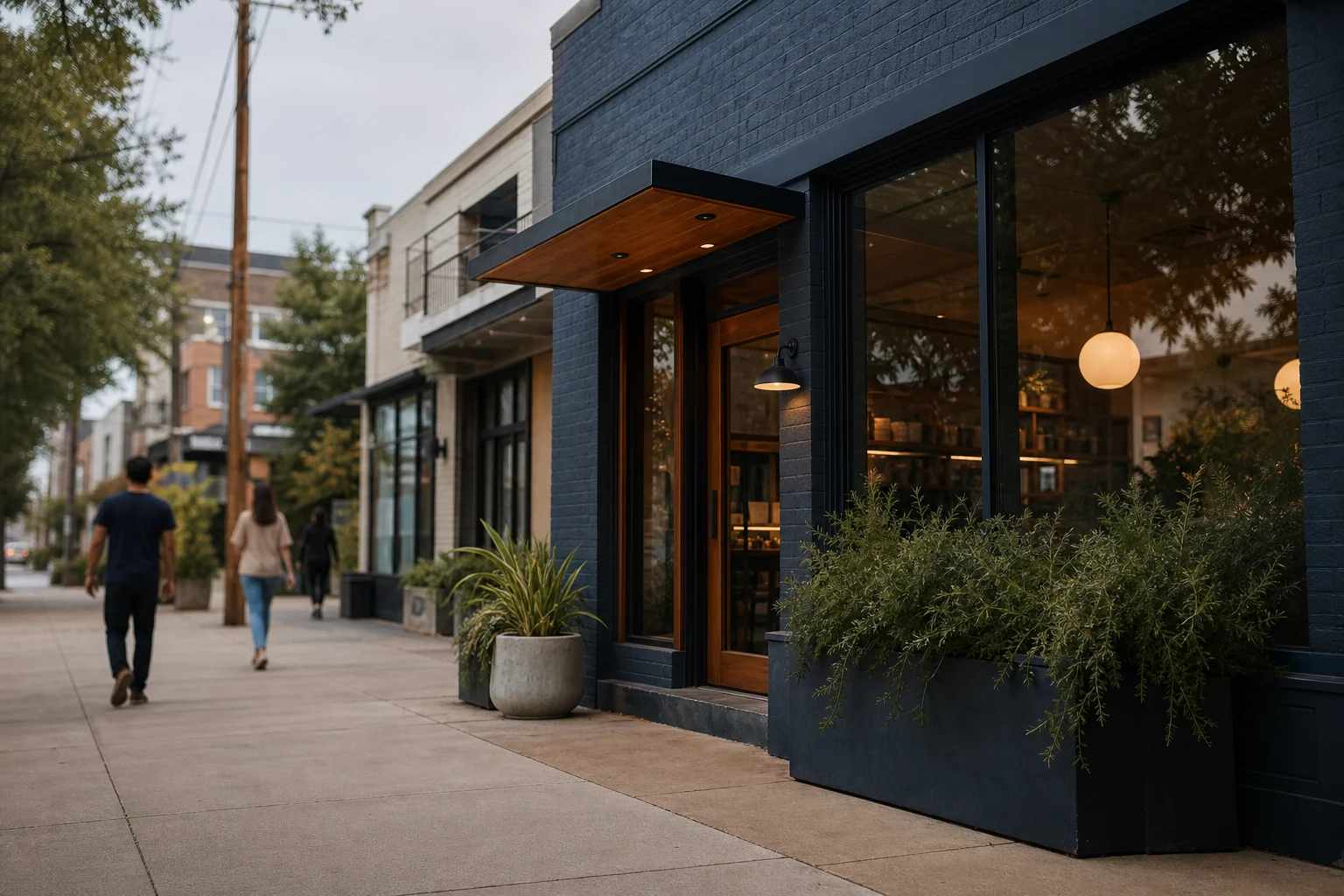
Why location fit matters for an ice cream shop
Location can make or break an ice cream shop. The right spot brings consistent foot traffic, matches your target customer base, and offers reasonable operating costs. Boston's diverse neighborhoods present unique opportunities and challenges for ice cream entrepreneurs.
The best ice cream shop locations balance visibility, accessibility, and affordability. You want to be where people are already looking for treats, but not so saturated with competition that you struggle to stand out. Rent levels must align with your budget while still placing you in a high-traffic area.
Seasonality matters too. Boston's cold winters mean your location needs to attract customers year-round, not just during summer months. The ideal neighborhood should have enough indoor attractions and residential density to maintain steady business even when temperatures drop.
Top 3 neighborhoods to consider
Based on Locavisor neighborhood scoring, here are the top three Boston neighborhoods for opening an ice cream shop:
Quincy Center / North Quincy (6.3/10)
Quincy Center / North Quincy ranks #1 for ice cream on paper — zero direct competitors, strong walkability around the Red Line, and a dense residential base. The rent is manageable for a medium-budget operator at roughly $30-50/sqft NNN. The catch: this is a lunch-and-commuter corridor, not a tourist draw. You'll need to win on repeat local traffic, not destination visits.
The market temperature is mixed with medium competition density. While there are no direct ice cream competitors, you'll face other dessert establishments. The area's strength lies in its residential density and transit accessibility, particularly the Red Line connection that brings consistent foot traffic.
Beacon Hill (6.1/10)
Beacon Hill delivers elite walkability, high tourist traffic, and a dense daytime population from nearby offices and universities. The problem: rent is roughly $65-95/sqft NNN — premium territory that strains a medium-budget operator. Two existing ice-cream/gelato shops (SKY ice cream truck at 4.8★ and Venchi Chocolate & Gelato at 4.8★) are nearby, but both are small-scale.
Tourists and affluent locals make up the primary customer base here. The historic charm of Beacon Hill attracts visitors who often seek out unique treats. However, the high rent costs require significant revenue to justify the location, making it better suited for established businesses or those with substantial startup capital.
Assembly Row (Somerville) (6.0/10)
Assembly Row is a planned mixed-use development with an Orange Line stop, a mall, apartments, and steady foot traffic. Rent is steep at roughly $65-95/sqft NNN, and Mike's Pastry (4.4★, 733 reviews) and Union Square Donuts (4.1★, 207 reviews) already own the dessert mindshare. No direct ice-cream competitors, but you'd be fighting established sweet-tooth loyalty.
The modern, developed nature of Assembly Row provides consistent foot traffic from both residents and visitors to the shopping and dining complex. The challenge is differentiating your ice cream shop from the already popular dessert establishments that have built strong customer loyalty in the area.
How the neighborhood scores are built
Locavisor's neighborhood scoring evaluates multiple factors specific to ice cream shop viability. Each neighborhood receives a score from 1-10 based on demand, competition density, rent fit, accessibility, and customer match.
Demand measures how many potential customers are in the area and their likelihood to purchase ice cream. Competition density assesses how many similar businesses already operate in the neighborhood. Rent fit evaluates whether commercial rents align with typical ice cream shop budgets.
Accessibility scores consider how easy it is for customers to reach your location, including public transit access, parking availability, and walkability. Customer match evaluates how well the neighborhood demographics align with typical ice cream shop patrons.
The scores are based on a 2026-05 snapshot of Boston neighborhoods, with a confidence level of 78% for the rankings. This means the data is reliable but may change as neighborhood conditions evolve.
How to validate the shortlist before signing a lease
Before committing to a location, conduct thorough due diligence. Visit each neighborhood at different times of day and week to observe actual foot traffic patterns. Talk to local business owners about their experiences and challenges.
Consider the seasonality factor. Boston experiences harsh winters, so ensure your chosen location has enough indoor attractions and residential density to maintain steady business during colder months. The best ice cream shops in Boston adapt their offerings and marketing to attract customers year-round.
Review lease terms carefully. Commercial leases in Boston often come with significant upfront costs and long-term commitments. Ensure you understand all fees, including common area maintenance (CAM) charges, property taxes, and insurance requirements.
Common mistakes founders make in Boston
Many ice cream shop founders underestimate the importance of location research. They fall in love with a neighborhood without understanding the specific dynamics that impact ice cream businesses. Always base your decision on data, not just charm or visibility.
Another common mistake is underestimating competition. Even neighborhoods without direct ice cream competitors may have strong dessert establishments that capture the same customer base. Research all nearby food businesses, not just those in your immediate category.
Budgeting errors also frequently derail new ice cream shops. Boston's commercial rents can be steep, especially in high-traffic areas. Ensure your business model can sustain the rent while still providing quality products and maintaining profitability.

FAQ
Where is the best location for An Ice Cream Shop in Boston?
Based on Locavisor neighborhood scoring, Quincy Center / North Quincy ranks as the best location for an ice cream shop in Boston with a score of 6.3/10. This neighborhood offers zero direct competitors, strong walkability around the Red Line, and a dense residential base. Rent is manageable for a medium-budget operator at roughly $30-50/sqft NNN. However, it's primarily a lunch-and-commuter corridor rather than a tourist destination, so success depends on attracting repeat local customers.
How important is walkability for an ice cream shop?
Walkability is crucial for ice cream shops, as many customers decide spontaneously to purchase treats. Neighborhoods like Beacon Hill with elite walkability scores tend to perform well for ice cream businesses, especially those with high tourist traffic. Easy pedestrian access increases the likelihood of impulse purchases and return visits.
What rent can I expect for an ice cream shop in Boston?
Commercial rents in Boston vary significantly by neighborhood. Quincy Center / North Quincy offers more affordable options at roughly $30-50/sqft NNN, while premium locations like Beacon Hill and Assembly Row command $65-95/sqft NNN. These figures represent triple net leases (NNN), which include property taxes, insurance, and maintenance costs in addition to base rent.
How do I compete with established dessert businesses?
Differentiation is key when entering neighborhoods with established dessert businesses. Consider offering unique flavors, high-quality ingredients, or exceptional customer service. Building a strong brand identity and community presence can help you capture market share even in areas with popular competitors like Mike's Pastry or Union Square Donuts.
What should I consider for winter business in Boston?
Boston's harsh winters require special consideration for ice cream shops. Look for locations with indoor seating options or consider diversifying your menu to include warm treats like hot chocolate or baked goods. Neighborhoods with strong residential bases and indoor attractions tend to maintain more consistent business during colder months.
How much foot traffic do I need for a successful ice cream shop?
Foot traffic requirements vary based on your business model and conversion rates. As a general rule, high-traffic areas like Beacon Hill with tourist traffic and Assembly Row with steady mall visitors can support higher rent costs. More residential neighborhoods like Quincy Center / North Quincy may have lower foot traffic but higher conversion rates from local customers.
What's the best way to research neighborhoods before opening?
Conduct thorough field research by visiting neighborhoods at different times and days. Observe foot traffic patterns, note competitor strengths and weaknesses, and talk to local business owners. Consider using Locavisor's neighborhood scoring to identify promising areas, but always supplement this data with on-the-ground research and local knowledge.
Last reviewed: 2026-05-08
Sources: U.S. Census Bureau ACS, LEHD LODES, Google Places, OpenStreetMap, Locavisor neighborhood scoring.
Methodology: Locavisor scores neighborhoods across demand, competition fit, rent fit, accessibility, and customer match. Scores reflect a snapshot of recent data and should be combined with on-the-ground research before lease decisions.
Disclaimer: This article provides informational content only and does not constitute legal, financial, accounting, or real-estate advice. Verify lease terms, licensing, local regulations, costs, and professional requirements with qualified local professionals before making business decisions.
Free preview shows top 3 neighborhoods. Full $9.99 report covers all 10 areas with personalized scoring + 90-day check-ins.
Informational only. Verify lease, licensing, local regulations, costs, and professional requirements with qualified local professionals.