Houston, TX · ice cream shop
Best neighborhoods for an ice cream shop in Houston
Finding the right location can make or break your ice cream shop business. In a sprawling city like Houston, choosing the best neighborhoods for an ice cream shop requires careful analysis of demand, competition, rent levels, accessibility, and customer demographics. This guide examines the top areas based on Locavisor neighborhood scoring to help you make an informed decision for your new venture.
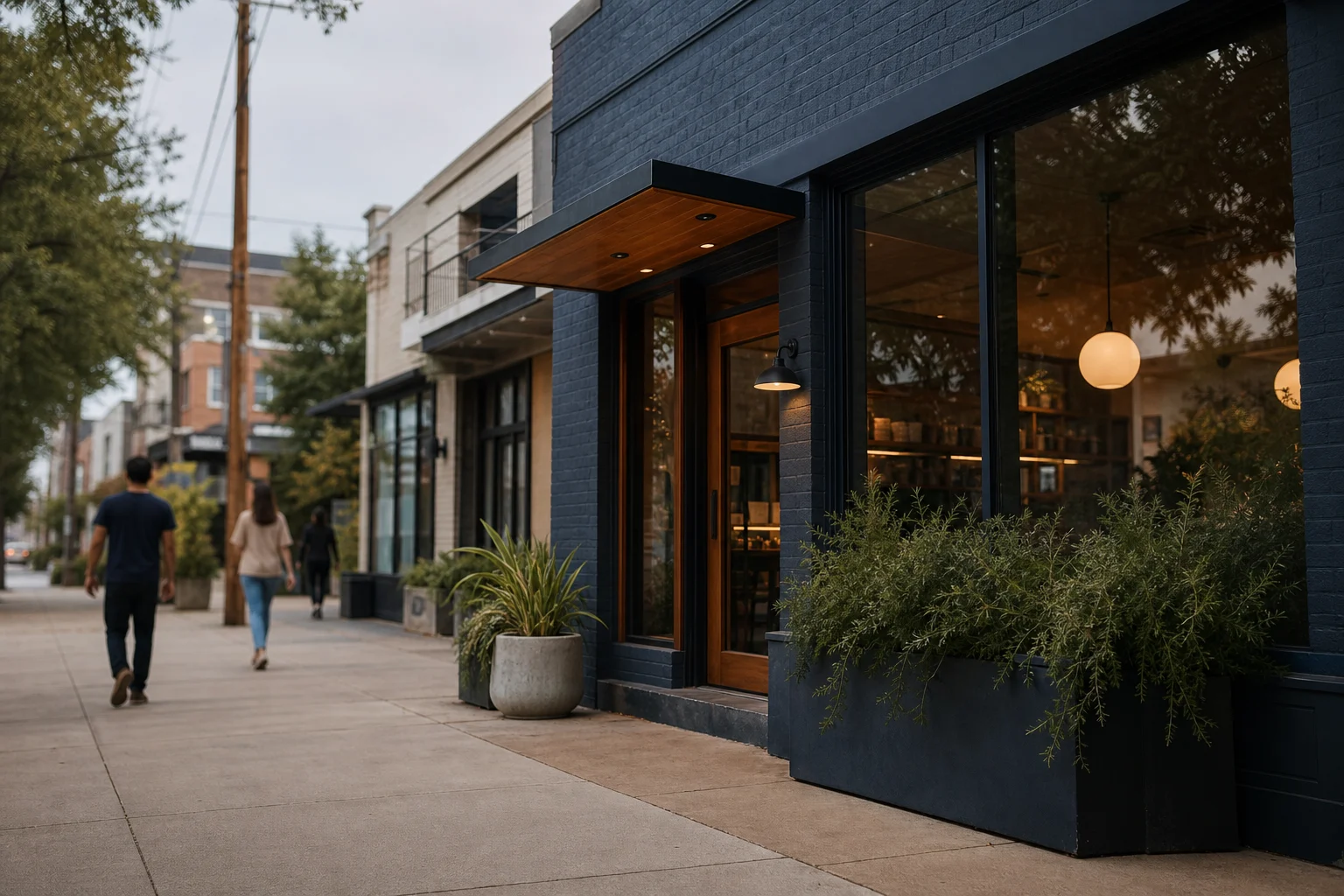
Why location fit matters for an ice cream shop
Location is critical for any brick-and-mortar business, but especially for an ice cream shop that relies on foot traffic and impulse purchases. The right neighborhood can provide consistent customer flow, appropriate rent levels, and minimal competition. Houston's diverse neighborhoods offer different advantages depending on your target market and business model. A family-friendly area might prioritize weekend traffic, while a business district could attract weekday office workers. Understanding these nuances helps position your ice cream shop for success.
Top 3 neighborhoods to consider
Based on Locavisor neighborhood scoring, three Houston neighborhoods stand out as particularly promising for ice cream shop entrepreneurs. Each offers unique advantages in terms of demand, competition, and cost structure.
Spring Branch (6.1/10)
Spring Branch ranks #1 on rent fit and competition fit — zero direct ice-cream competitors within the search radius, and rent lands in the $30-50/sqft NNN neighborhood corridor range. Walkability is above-average for Houston, and the CITYCENTRE + Town & Country Village anchors nearby pull afternoon foot traffic. The mixed market temperature suggests balanced opportunities across different customer segments. With 85% score confidence from the 2026-05 snapshot, Spring Branch presents a compelling option for budget-conscious entrepreneurs looking to establish a first-mover advantage.
Greenway Plaza / Upper Kirby (6.1/10)
Greenway Plaza / Upper Kirby scores well on daytime demand — office density is strong, and the area pulls a dense lunch crowd from the Greenway Plaza office complex and nearby medical/co-working hubs. Rent runs roughly $30-50/sqft NNN, workable for medium budget. The medium competition density indicates some existing food service options but no direct ice cream competitors. This neighborhood excels at capturing weekday office traffic, making it ideal for an ice cream shop targeting the lunch and after-work crowds. The consistent flow of professionals creates reliable demand during business hours.
River Oaks (6.0/10)
River Oaks ranks #3 overall with strong demand (4.5) and customer match (4.4), but rent fit drops to 6.3 — expect roughly $45-70/sqft NNN, pushing the upper edge of medium budget. The area has zero ice-cream competitors and strong daytime office density plus tourist draw from River Oaks District and the Museum of Fine Arts. Despite the higher rent, the affluent customer base and lack of direct competition make this an attractive option for premium ice cream concepts. The neighborhood's reputation for quality establishments supports higher price points and margins.
How the neighborhood scores are built
Locavisor neighborhood scoring evaluates potential business locations across multiple dimensions. For ice cream shops specifically, the algorithm considers demand patterns, existing competition, rent levels, accessibility, and customer demographics. Each neighborhood receives a score from 1-10, with higher numbers indicating better overall fit for the business type.
The scoring system weights factors differently based on business characteristics. For ice cream shops, demand patterns (especially seasonal variations and day-of-week fluctuations) carry significant weight. Competition density evaluates both direct competitors (other ice cream shops) and indirect competitors (frozen yogurt, dessert cafes). Rent fit compares neighborhood averages to industry benchmarks, while accessibility measures walkability, parking availability, and transit connections.
Customer match assesses whether neighborhood demographics align with the target market for ice cream shops. This includes age distribution, income levels, family composition, and lifestyle preferences. The final score represents a balanced view of these factors, helping entrepreneurs identify neighborhoods where their business concept is most likely to thrive.
How to validate the shortlist before signing a lease
Data analysis provides a strong starting point, but on-the-ground validation is essential before committing to a lease. Visit each neighborhood during different times of day and week to observe actual foot traffic patterns. Note when people are most active and what types of businesses draw crowds. Talk to local business owners about their experiences with customer flow and seasonal variations.
Consider conducting informal surveys with potential customers in the area. Ask about their ice cream preferences, frequency of visits to similar establishments, and what they'd like to see in a new ice cream shop. This direct feedback can reveal unmet demand that the data might not capture.
Review local regulations and requirements specific to food service businesses. Houston has particular considerations regarding health permits, signage restrictions, and outdoor seating regulations. Understanding these factors early can prevent costly surprises during the setup process.
Finally, evaluate the physical space itself. Consider visibility, accessibility, parking availability, and potential for expansion. A great location in a promising neighborhood won't succeed if the specific property has limitations that hinder operations.
Common mistakes founders make in Houston
Many ice cream shop entrepreneurs make avoidable mistakes when selecting a Houston location. One common error is underestimating the impact of weather on business. Houston's hot summers drive ice cream demand, but the mild winters mean consistent year-round operations. Choose a location that works well in all seasons.
Another mistake is failing to account for Houston's car-dependent culture. Even in walkable neighborhoods, adequate parking remains crucial for customer convenience. Don't assume that good walkability alone will suffice in a city where most residents drive.
Some founders also overlook the importance of visibility. A location with high foot traffic won't help if your shop is hidden or difficult to spot from main streets. Prioritize corner locations or spaces with prominent signage opportunities.
Finally, many new business owners underestimate the time and resources required for build-out. Ice cream shops need specialized equipment and layouts that may require more extensive renovations than anticipated. Factor these costs into your budget when evaluating neighborhoods.

FAQ
Where is the best location for An Ice Cream Shop in Houston?
Based on Locavisor neighborhood scoring, Spring Branch and Greenway Plaza / Upper Kirby both rank highest at 6.1/10 for ice cream shop locations. Spring Branch offers lower rent levels and no direct competition, while Greenway Plaza / Upper Kirby provides strong daytime office traffic. River Oaks ranks third at 6.0/10 with strong demand but higher rent costs.
How important is foot traffic for an ice cream shop?
Foot traffic is critical for ice cream shops, which rely heavily on impulse purchases and walk-in customers. Neighborhoods with consistent daytime and evening traffic patterns typically perform best. Areas near schools, parks, shopping centers, and office complexes often provide the most reliable customer flow.
What rent levels should I expect in these neighborhoods?
Rent varies significantly across Houston neighborhoods. Spring Branch and Greenway Plaza / Upper Kirby offer rents in the $30-50/sqft NNN range, while River Oaks commands higher prices at $45-70/sqft NNN. These figures represent neighborhood averages and may vary based on specific properties and lease terms.
How do I assess competition in a neighborhood?
Look for both direct competitors (other ice cream shops) and indirect competitors (frozen yogurt shops, dessert cafes, bakeries). Consider their pricing, product offerings, and customer base. A neighborhood with no direct competition might indicate untapped opportunity, or it could signal challenges that existing businesses have identified.
What customer demographics are best for ice cream shops?
Ice cream shops typically perform well in neighborhoods with families, young professionals, and tourists. Areas with higher percentages of residents aged 18-45 and households with children often show stronger demand. Affluent neighborhoods like River Oaks may support premium concepts with higher price points.
How can I test a neighborhood before committing?
Conduct site visits during different times and days to observe traffic patterns. Talk to local business owners about their experiences. Consider running a pop-up or participating in local events to test customer response. Social media can also help gauge interest by posting about potential locations and gathering feedback.
What special considerations apply to Houston's climate?
Houston's hot summers drive ice cream demand, but the mild winters mean year-round potential. Consider outdoor seating options that maximize enjoyment during pleasant weather. Also plan for increased demand during summer months and school holidays when families are more active.
How important is parking for an ice cream shop?
Parking remains crucial in Houston despite the city's growing walkable areas. Even in pedestrian-friendly neighborhoods, adequate parking significantly impacts customer convenience and accessibility. Consider both surface parking and structured options when evaluating locations.
Last reviewed: 2026-05-08
Sources: U.S. Census Bureau ACS, LEHD LODES, Google Places, OpenStreetMap, Locavisor neighborhood scoring.
Methodology: Locavisor scores neighborhoods across demand, competition fit, rent fit, accessibility, and customer match. Scores reflect a snapshot of recent data and should be combined with on-the-ground research before lease decisions.
Disclaimer: This article provides informational content only and does not constitute legal, financial, accounting, or real-estate advice. Verify lease terms, licensing, local regulations, costs, and professional requirements with qualified local professionals before making business decisions.
Free preview shows top 3 neighborhoods. Full $9.99 report covers all 10 areas with personalized scoring + 90-day check-ins.
Informational only. Verify lease, licensing, local regulations, costs, and professional requirements with qualified local professionals.