Minneapolis, MN · ice cream shop
Best neighborhoods for an ice cream shop in Minneapolis
Finding the best neighborhoods for an ice cream shop in Minneapolis requires careful analysis of location factors that impact customer traffic, competition, and operational costs. As a small business founder, choosing the right neighborhood can significantly influence your success in the competitive Minneapolis ice cream market. This article ranks the top three neighborhoods based on Locavisor neighborhood scoring, helping you make an informed decision about where to open an ice cream shop in Minneapolis.
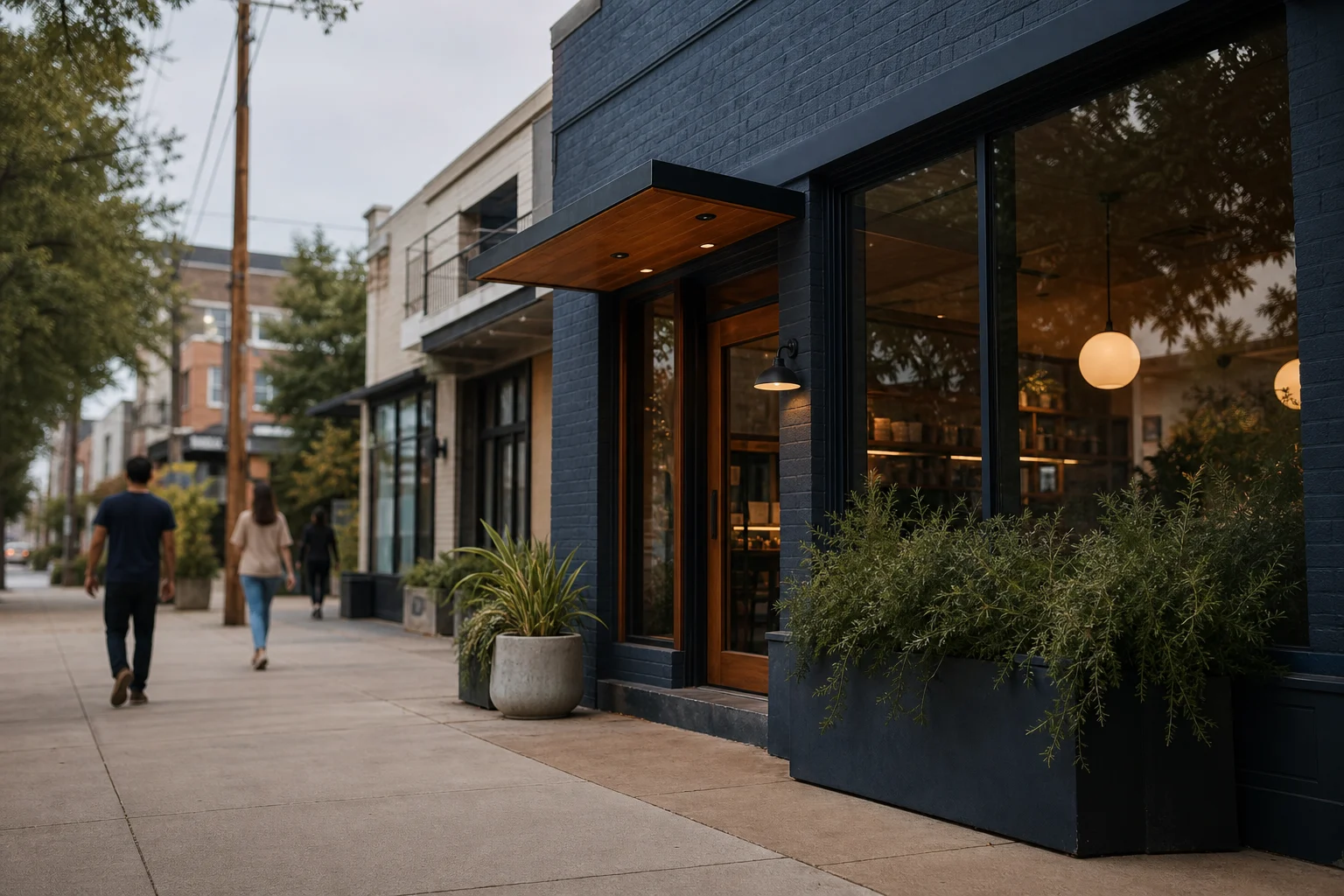
Why location fit matters for an ice cream shop
Location is a critical factor for any ice cream shop business. The right neighborhood can provide consistent foot traffic, target customers with disposable income, and offer reasonable operational costs. In Minneapolis, seasonal weather patterns mean your shop needs to maximize summer revenue while maintaining viability during cooler months. A well-chosen location balances visibility, accessibility, and customer demographics to create a sustainable business model.
Top 3 neighborhoods to consider
Based on Locavisor neighborhood scoring, here are the top three areas for opening an ice cream shop in Minneapolis:
1. Lowry Hill (6.4/10)
Lowry Hill ranks #1 on paper thanks to a maxed-out office index and strong walkability near the Walker Art Center and Sculpture Garden. The catch: Sebastian Joe's Ice Cream Cafe sits 565m away with 2,042 reviews at 4.6★ — a dominant incumbent. Market temperature is mixed, competition density is medium, and rent level is low. Score confidence is 78% based on the 2026-05 snapshot.
2. Stadium Village (6.2/10)
Stadium Village sits on the U of M campus with a maxed-out student index, strong walkability, and excellent transit via the light-rail station. No direct ice-cream competitors exist in the immediate area. Rent is moderate at roughly $30-50/sqft NNN. The trade-off: the customer archetype skews heavily student (low affluence), and the area goes quiet during summer break and between semesters.
3. Cedar-Riverside (6.2/10)
Cedar-Riverside combines Augsburg University, the U of M West Bank, and the Cedar Cultural Center into a dense, walkable corridor with strong transit via the Cedar-Riverside light-rail station. No ice-cream competitors exist here. Rent is moderate at roughly $30-50/sqft NNN. The student + resident mix supports evening traffic, but affluence is below-average, capping price points.
How the neighborhood scores are built
Locavisor neighborhood scoring evaluates potential business locations across multiple dimensions. For ice cream shops specifically, the algorithm prioritizes walkability, customer demographics, and existing competition. Each neighborhood receives a score from 1-10 based on how well it matches the ideal profile for an ice cream shop business. The scoring system incorporates both quantitative metrics like foot traffic and qualitative factors like neighborhood character.
The best fit overall is Lowry Hill with an overall score of 6.4/10. This neighborhood demonstrates strong potential despite the presence of a major competitor. The scoring methodology considers both the opportunity and challenges of each location, providing a balanced view of where your ice cream shop might thrive.
How to validate the shortlist before signing a lease
Before committing to a location, conduct your own research to confirm the neighborhood's potential for your ice cream shop. Visit each area at different times of day and week to observe actual foot traffic patterns. Talk to local business owners about seasonal fluctuations and customer demographics. Consider the visibility of potential storefronts and whether they align with your brand positioning.
Pay special attention to the competition in each neighborhood. In Lowry Hill, Sebastian Joe's Ice Cream Cafe represents a significant barrier to entry. In contrast, Stadium Village and Cedar-Riverside currently lack direct ice cream competitors, though they present different customer profile challenges. Understanding these dynamics will help you determine which neighborhood aligns best with your business model and resources.
Common mistakes founders make in Minneapolis
Many ice cream shop founders underestimate the impact of Minneapolis's seasonal climate on business operations. The city experiences cold winters that can significantly reduce foot traffic for several months. Successful ice cream shops in Minneapolis often diversify their offerings to include seasonal items or indoor seating options to maintain revenue during cooler months.
Another common mistake is failing to account for the academic calendar when considering neighborhoods near universities. In Stadium Village, the area goes quiet during summer break and between semesters, creating predictable revenue fluctuations that must be factored into your business plan. Similarly, Cedar-Riverside's student population creates a customer base with limited disposable income, affecting pricing strategies.

FAQ
Where is the best location for An Ice Cream Shop in Minneapolis?
Based on Locavisor neighborhood scoring, Lowry Hill ranks as the best neighborhood for an ice cream shop in Minneapolis with a score of 6.4/10. This area offers strong walkability near cultural attractions like the Walker Art Center and Sculpture Garden. However, it's important to note that Sebastian Joe's Ice Cream Cafe operates just 565m away with 2,042 reviews at 4.6★, representing significant competition.
What are the rent levels in these neighborhoods?
Rent levels vary across the top neighborhoods. Lowry Hill offers low rent levels, making it an attractive option despite the competition. Both Stadium Village and Cedar-Riverside have moderate rent levels at roughly $30-50/sqft NNN. These rent differences should be factored into your overall business plan and financial projections.
How do student neighborhoods affect ice cream shop business?
Neighborhoods with high student populations like Stadium Village and Cedar-Riverside present unique opportunities and challenges. These areas offer consistent foot traffic during academic terms but experience significant slowdowns during summer breaks and between semesters. Additionally, students typically have lower disposable income, which may affect pricing strategies and product offerings.
What is the market temperature for ice cream shops in Minneapolis?
The market temperature for ice cream shops in Minneapolis is mixed. While there's consistent demand for frozen treats, particularly during warmer months, the competitive landscape varies by neighborhood. Lowry Hill shows mixed market temperature with medium competition density, while Stadium Village and Cedar-Riverside currently lack direct ice cream competitors.
How reliable are these neighborhood scores?
The neighborhood scores provided are based on Locavisor neighborhood scoring with a confidence level of 78% for the top-rated area (Lowry Hill). These scores represent a snapshot from May 2026 and should be used as a starting point for your location research. Always conduct your own due diligence before making a final decision on where to open your ice cream shop.
Last reviewed: 2026-05-08
Sources: U.S. Census Bureau ACS, LEHD LODES, Google Places, OpenStreetMap, Locavisor neighborhood scoring.
Methodology: Locavisor scores neighborhoods across demand, competition fit, rent fit, accessibility, and customer match. Scores reflect a snapshot of recent data and should be combined with on-the-ground research before lease decisions.
Disclaimer: This article provides informational content only and does not constitute legal, financial, accounting, or real-estate advice. Verify lease terms, licensing, local regulations, costs, and professional requirements with qualified local professionals before making business decisions.
Free preview shows top 3 neighborhoods. Full $9.99 report covers all 10 areas with personalized scoring + 90-day check-ins.
Informational only. Verify lease, licensing, local regulations, costs, and professional requirements with qualified local professionals.