Phoenix, AZ · ice cream shop
Best neighborhoods for an ice cream shop in Phoenix
For small business founders looking to open an ice cream shop in Phoenix, choosing the right neighborhood can make or break your success. The best neighborhoods for an ice cream shop in Phoenix offer a balance of foot traffic, competition levels, and affordability that align with your business model. This article ranks the top three neighborhoods based on Locavisor neighborhood scoring to help you make an informed decision about where to open an ice cream shop in Phoenix.
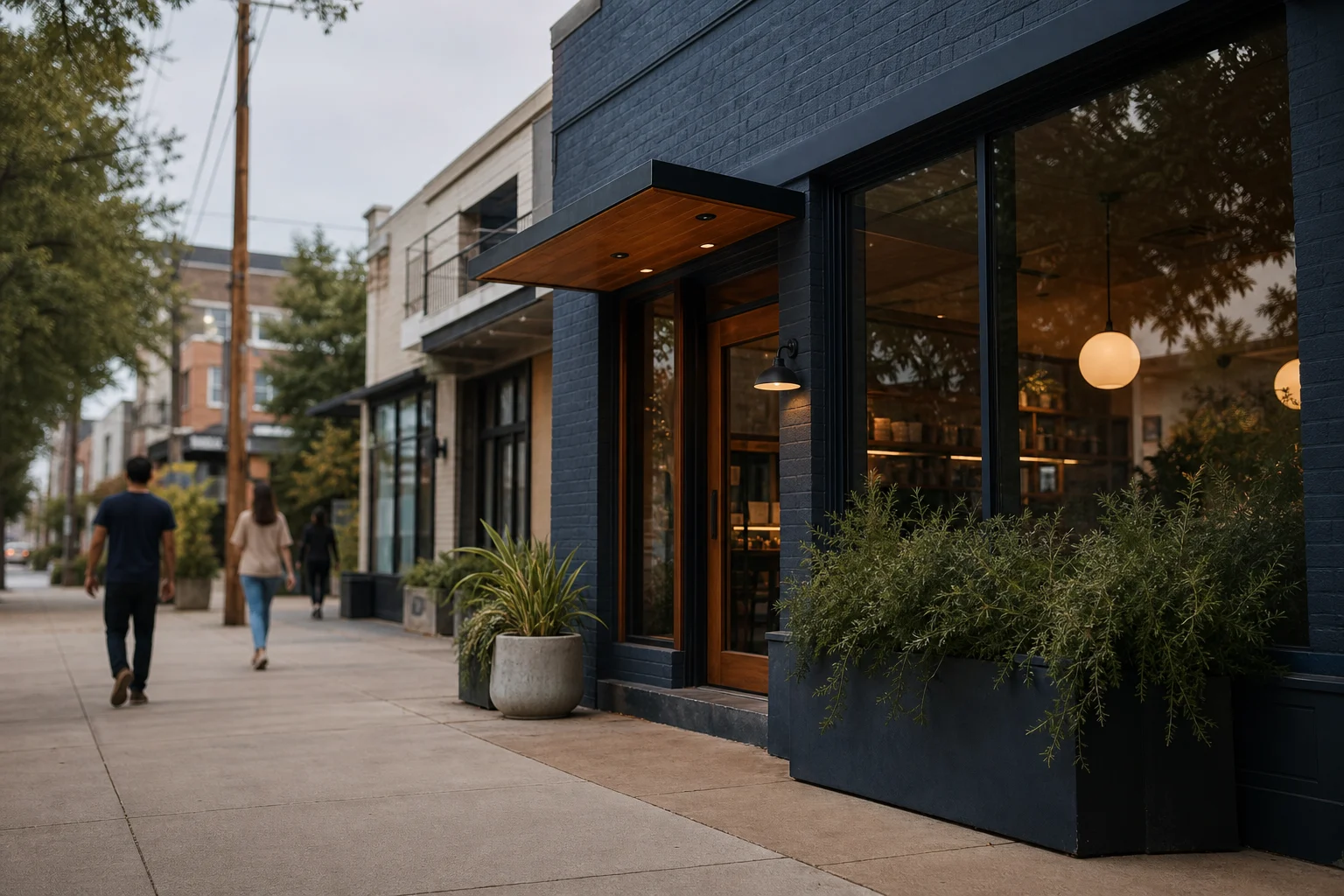
Why location fit matters for an ice cream shop
Location is critical for any brick-and-mortar business, but especially for an ice cream shop that relies heavily on foot traffic and impulse purchases. The right neighborhood can provide consistent customer flow, appropriate rent levels, and a customer base that matches your target demographic. Phoenix's diverse neighborhoods offer different advantages for ice cream shop entrepreneurs, from arts districts to business centers to college campuses.
When evaluating potential locations, consider factors like walkability, nearby attractions, competition density, and customer demographics. A prime location might have high foot traffic but also high rent and intense competition. The ideal spot balances visibility, accessibility, and affordability while matching your brand's target customers.
Top 3 neighborhoods to consider
Based on Locavisor neighborhood scoring, here are the top three neighborhoods for opening an ice cream shop in Phoenix:
1. Roosevelt Row (6.8/10)
Roosevelt Row is the top-ranked area for a reason — near-ceiling walkability, strong evening and late-night daypart coverage, and a dense mix of arts-district foot traffic. Three existing ice cream shops within 700m (Melt Ice Cream Shop at 4.2★, Cold Stone Creamery at 3.8★, Fatty Daddy's at 4.0★) confirm dessert demand but also mean you're entering a competitive cluster.
The market temperature is mixed with medium competition density and low rent levels. With a score confidence of 78%, Roosevelt Row presents a solid opportunity for ice cream shop entrepreneurs who can differentiate themselves in a competitive market. The arts district atmosphere attracts a diverse crowd, especially during evening hours when people are out and about.
2. Downtown Phoenix (6.4/10)
Downtown Phoenix is the primary CBD with strong daytime worker density (≈10,500 weekday lunch workers within 800m) and light rail access. The rent proxy is more favorable than Roosevelt Row — expect roughly $20-35/sqft NNN. Three ice cream competitors nearby (Cold Stone Creamery, Fatty Daddy's, Tipsy Scoop) plus Insomnia Cookies as adjacent dessert.
This neighborhood offers a different customer profile than Roosevelt Row, with more daytime office workers and fewer evening visitors. The light rail access provides additional transportation options for customers coming from other parts of Phoenix. While competition exists, the sheer volume of daytime workers creates consistent demand during business hours.
3. Tempe / ASU campus (6.2/10)
Tempe / ASU campus is the student-density leader — near-ceiling student index and daytime population, with Mill Avenue as a proven retail corridor. Salt & Straw (4.9★, 73 reviews) is the premium incumbent within 800m, and Insomnia Cookies adds adjacent dessert competition. The family index is near-zero — this is a young-adult and student play. Expect roughly $30-50/sqft NNN.
This neighborhood caters primarily to the college crowd, with a focus on younger demographics. The student population provides consistent demand during academic semesters, though business may slow during summer breaks. Mill Avenue has established itself as a retail destination, making it a proven location for businesses that can appeal to the student demographic.
How the neighborhood scores are built
Locavisor neighborhood scoring evaluates potential business locations across multiple dimensions to provide a comprehensive assessment of each area's suitability for specific business types. For ice cream shops, the scoring system considers factors like foot traffic patterns, competition density, rent levels, accessibility, and customer demographics.
The scoring methodology uses a 10-point scale, with higher scores indicating better overall suitability for an ice cream shop. Each neighborhood receives a score based on how well it matches the ideal profile for this type of business. The scores are derived from analyzing various data points specific to each neighborhood, including pedestrian traffic patterns, existing business density, and customer demographics.
Score confidence levels indicate how reliable the assessment is for each neighborhood, based on data completeness and neighborhood characteristics. Higher confidence scores suggest more reliable assessments, while lower confidence scores indicate areas where additional research might be beneficial before making a final decision.
How to validate the shortlist before signing a lease
While neighborhood rankings provide a valuable starting point, successful founders conduct additional validation before committing to a location. Visit each neighborhood at different times of day and days of the week to observe actual foot traffic patterns. Note when people are most active and what types of businesses seem to thrive.
Talk to existing business owners in the area to understand the local business climate, challenges, and opportunities. They can provide insights that aren't captured in neighborhood rankings, such as seasonal fluctuations, customer demographics, and local regulations.
Consider conducting a small customer survey in your target neighborhoods to gauge interest in a new ice cream shop. Ask potential customers about their ice cream preferences, price sensitivity, and what they'd like to see in a new local business. This direct feedback can help refine your business concept and marketing approach.
Common mistakes founders make in Phoenix
One common mistake is underestimating the importance of seasonality in Phoenix's climate. Ice cream shops may experience significant fluctuations in business between summer and winter months. Consider how your business model will address these seasonal variations, such as offering indoor seating, seasonal menu items, or extended hours during peak seasons.
Another error is failing to research local regulations and permitting requirements. Each Phoenix neighborhood may have specific zoning laws, health department requirements, and business licensing procedures. Understanding these requirements early can prevent costly delays and compliance issues later.
Some founders also overlook the importance of parking and accessibility. In a car-dependent city like Phoenix, convenient parking can significantly impact customer convenience and business success. Evaluate parking availability and accessibility for each potential location, especially if your target customers include families or people with mobility considerations.

FAQ
Where is the best location for An Ice Cream Shop in Phoenix?
Based on Locavisor neighborhood scoring, Roosevelt Row is the best location for an ice cream shop in Phoenix with a score of 6.8/10. This neighborhood offers near-ceiling walkability, strong evening and late-night coverage, and a dense mix of arts-district foot traffic. However, it also has medium competition density with three existing ice cream shops within 700m.
What are the rent levels in these neighborhoods?
Rent levels vary across the top neighborhoods. Roosevelt Row has low rent levels, while Downtown Phoenix offers more favorable rent at roughly $20-35/sqft NNN. Tempe / ASU campus has higher rent expectations of roughly $30-50/sqft NNN.
How does competition compare across these neighborhoods?
Competition density is medium in Roosevelt Row with three ice cream shops within 700m. Downtown Phoenix also has three ice cream competitors nearby plus Insomnia Cookies as adjacent dessert. Tempe / ASU campus features Salt & Straw as the premium incumbent within 800m, plus Insomnia Cookies.
Which neighborhood has the best customer demographics for an ice cream shop?
Each neighborhood attracts different customer segments. Roosevelt Row draws a diverse arts district crowd, especially during evening hours. Downtown Phoenix targets daytime office workers. Tempe / ASU campus focuses on students and young adults, with a near-zero family index.
How reliable are these neighborhood scores?
Score confidence varies by neighborhood. Roosevelt Row has a score confidence of 78%, indicating a relatively reliable assessment. The scores are based on Locavisor neighborhood scoring from a 2026-05 snapshot.
What should I consider when choosing a location?
Consider factors like foot traffic patterns, competition levels, rent affordability, accessibility, and customer demographics. Visit neighborhoods at different times, talk to existing business owners, and consider conducting customer surveys to validate the neighborhood rankings.
Are there any seasonal considerations for ice cream shops in Phoenix?
Phoenix's climate creates significant seasonality for ice cream businesses. Consider how your business will address summer and winter fluctuations, such as offering indoor seating, seasonal menu items, or extended hours during peak seasons.
Last reviewed: 2026-05-08
Sources: U.S. Census Bureau ACS, LEHD LODES, Google Places, OpenStreetMap, Locavisor neighborhood scoring.
Methodology: Locavisor scores neighborhoods across demand, competition fit, rent fit, accessibility, and customer match. Scores reflect a snapshot of recent data and should be combined with on-the-ground research before lease decisions.
Disclaimer: This article provides informational content only and does not constitute legal, financial, accounting, or real-estate advice. Verify lease terms, licensing, local regulations, costs, and professional requirements with qualified local professionals before making business decisions.
Free preview shows top 3 neighborhoods. Full $9.99 report covers all 10 areas with personalized scoring + 90-day check-ins.
Informational only. Verify lease, licensing, local regulations, costs, and professional requirements with qualified local professionals.