San Jose, CA · ice cream shop
Best neighborhoods for an ice cream shop in San Jose
Finding the best neighborhoods for an ice cream shop in San Jose requires more than just a good recipe. Location intelligence reveals that certain areas offer the perfect blend of foot traffic, competition levels, and affordability that can make or break your business. The right neighborhood can provide consistent customer flow while keeping operational costs manageable.
Why location fit matters for an ice cream shop
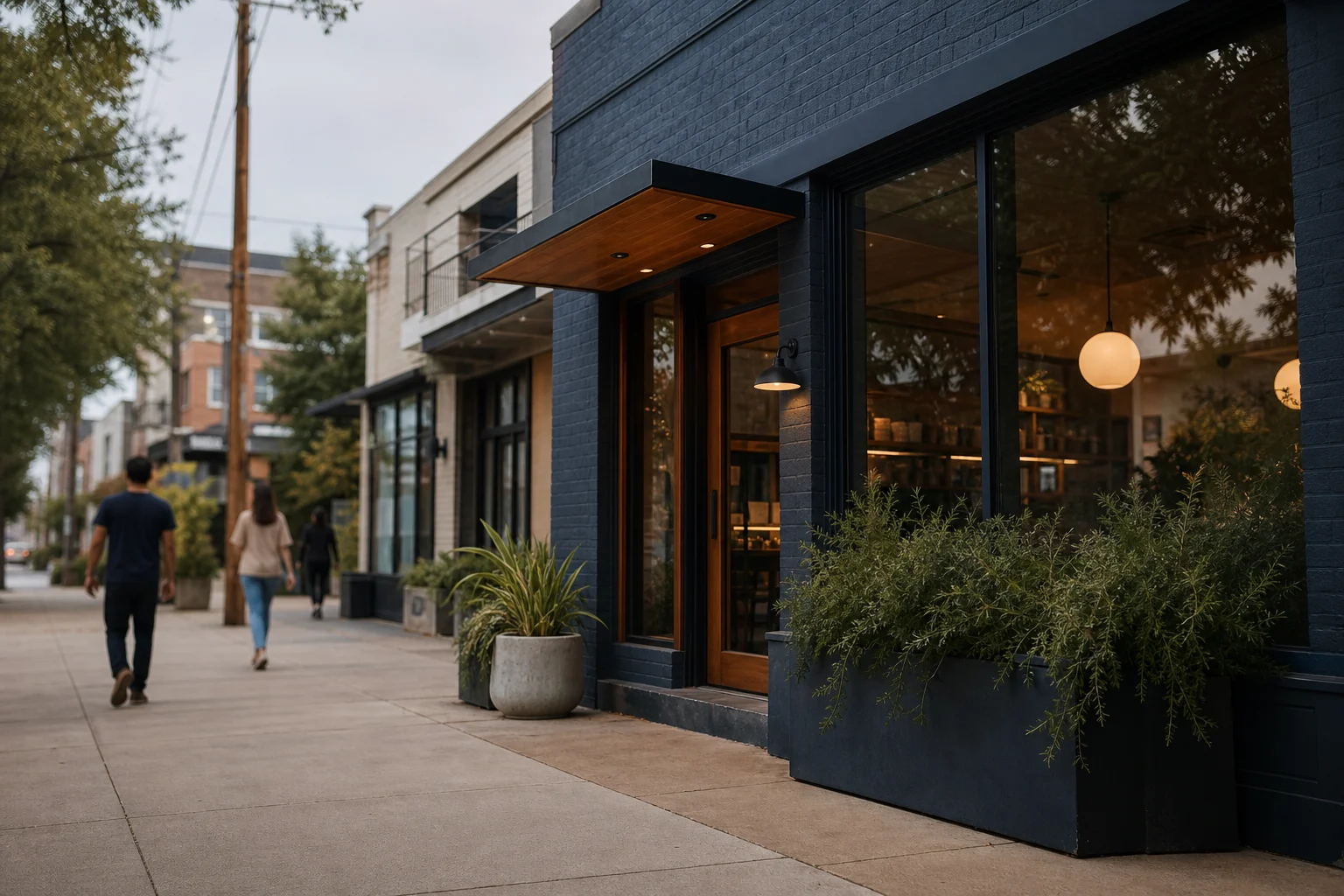
Your ice cream shop's success hinges on more than just quality ingredients and creative flavors. The right location determines visibility, accessibility, and customer demographics. San Jose's diverse neighborhoods offer vastly different opportunities for ice cream entrepreneurs. A well-chosen location maximizes walkability, complements your business hours, and aligns with your target customer base. The wrong location, regardless of product quality, can lead to disappointing foot traffic and revenue.
Top 3 neighborhoods to consider
Based on Locavisor neighborhood scoring, three areas stand out for ice cream shop entrepreneurs in San Jose:
Downtown San Jose (6.7/10)
Downtown San Jose ranks #1 for ice cream thanks to maxed-out walkability, strong evening and late-night daypart scores, and zero direct ice-cream competitors within the core. San Pedro Square Market and SJSU provide built-in foot traffic. Expect roughly $45-70/sqft NNN — a neighborhood-corridor price for an urban-core location. The market temperature is mixed with medium competition density and low rent level. Score confidence sits at 82% based on the 2026-05 snapshot.
Japantown (6.4/10)
Japantown scores #2 with excellent walkability, strong evening vibrancy, and zero direct ice-cream competitors. The historic Jackson St corridor draws tourists and locals alike, anchored by the Japanese American Museum and a dense restaurant row. Expect roughly $30-50/sqft NNN — neighborhood-corridor pricing. Market temperature is mixed with medium competition density and low rent level. Score confidence is 82% based on the 2026-05 snapshot.
Little Saigon (Story Rd) (6.1/10)
Little Saigon (Story Rd) ranks #3 with maxed-out walkability, strong residential density, and the highest retail anchor score of any area. Two existing ice-cream shops — Marco Polo Italian Ice Cream (4.6★, 297 reviews) and a Baskin-Robbins (4.5★, 221 reviews) — mean you're not alone, but the corridor's foot traffic and family density are unmatched. Expect roughly $45-70/sqft NNN. Market temperature is mixed with medium competition density and low rent level. Score confidence is 82% based on the 2026-05 snapshot.
How the neighborhood scores are built
Locavisor neighborhood scoring evaluates multiple factors specific to ice cream shop viability. Walkability measures how easily customers can access your location on foot. Daypart scores analyze foot traffic patterns throughout the day, particularly important for ice cream shops that may thrive during evening hours. Competition density assesses the number of similar businesses in the area. Retail anchor scores evaluate the presence of attractions that draw consistent foot traffic. The scoring system weights these factors based on their importance to ice cream shop success, resulting in the neighborhood rankings presented here.
How to validate the shortlist before signing a lease
Before committing to a location, conduct your own ground truthing. Visit each neighborhood at different times of day and week to observe actual foot traffic. Note when potential customers are present and what they're doing. Research the specific street or block you're considering—some areas have better visibility than others. Talk to neighboring business owners about their experience with customer traffic and seasonal variations. Consider parking availability and accessibility, especially if you plan to serve families. The Locavisor scores provide a strong starting point, but your own observations will confirm whether a particular spot within the neighborhood works for your specific concept.
Common mistakes founders make in San Jose
Many ice cream shop founders underestimate the importance of aligning their business hours with neighborhood patterns. A location with strong evening traffic may struggle if you only operate during daytime hours. Others fail to research existing competition thoroughly, not realizing that some ice cream shops operate under different names or serve different products. Some entrepreneurs focus too much on rent costs without considering the revenue potential of a location. The cheapest spot might not generate enough sales to sustain your business. Finally, many don't account for seasonality—San Jose's warm months drive ice cream demand, but successful shops develop strategies to maintain revenue during cooler periods.

FAQ
Where is the best location for An Ice Cream Shop in San Jose?
Based on Locavisor neighborhood scoring, Downtown San Jose ranks as the best location for an ice cream shop with a score of 6.7/10. The area offers maxed-out walkability, strong evening and late-night daypart scores, and zero direct ice-cream competitors within the core. San Pedro Square Market and SJSU provide built-in foot traffic. Japantown (6.4/10) and Little Saigon (Story Rd) (6.1/10) follow as the second and third best neighborhoods respectively.
How much does commercial rent cost in these neighborhoods?
Rent varies by specific location within each neighborhood. In Downtown San Jose, expect roughly $45-70/sqft NNN. Japantown offers slightly lower neighborhood-corridor pricing at $30-50/sqft NNN. Little Saigon (Story Rd) has rent levels similar to Downtown at roughly $45-70/sqft NNN.
Is there too much competition in these areas?
All three neighborhoods have medium competition density according to Locavisor scoring. Interestingly, Downtown San Jose and Japantown report zero direct ice-cream competitors within their cores. Little Saigon has two existing ice-cream shops—Marco Polo Italian Ice Cream and a Baskin-Robbins—indicating the area can support multiple ice cream businesses.
What makes these neighborhoods good for ice cream shops specifically?
These neighborhoods excel in factors important to ice cream shop success. They all have high walkability scores, making it easy for customers to access your shop. They also have strong evening and late-day foot traffic, which aligns well with when people typically crave ice cream. Additionally, these areas have retail anchors like San Pedro Square Market, SJSU, and the Japanese American Museum that draw consistent foot traffic.
How reliable are these neighborhood scores?
The Locavisor neighborhood scores for these areas have a confidence level of 82%, based on data from the 2026-05 snapshot. While this indicates high reliability, we recommend conducting your own ground truthing before making a final decision. The scores provide a strong starting point, but your own observations will confirm whether a specific location within these neighborhoods works for your particular ice cream shop concept.
Last reviewed: 2026-05-08
Sources: U.S. Census Bureau ACS, LEHD LODES, Google Places, OpenStreetMap, Locavisor neighborhood scoring.
Methodology: Locavisor scores neighborhoods across demand, competition fit, rent fit, accessibility, and customer match. Scores reflect a snapshot of recent data and should be combined with on-the-ground research before lease decisions.
Disclaimer: This article provides informational content only and does not constitute legal, financial, accounting, or real-estate advice. Verify lease terms, licensing, local regulations, costs, and professional requirements with qualified local professionals before making business decisions.
Free preview shows top 3 neighborhoods. Full $9.99 report covers all 10 areas with personalized scoring + 90-day check-ins.
Informational only. Verify lease, licensing, local regulations, costs, and professional requirements with qualified local professionals.