Seattle, WA · ice cream shop
Best neighborhoods for an ice cream shop in Seattle
For small business founders looking to open an ice cream shop in Seattle, choosing the right neighborhood can make or break your success. The best neighborhoods for an ice cream shop in Seattle offer a balance of foot traffic, competition levels, and affordability that can help your business thrive. This article ranks the top three neighborhoods based on Locavisor's neighborhood scoring, helping you make an informed decision about where to open your sweet venture.
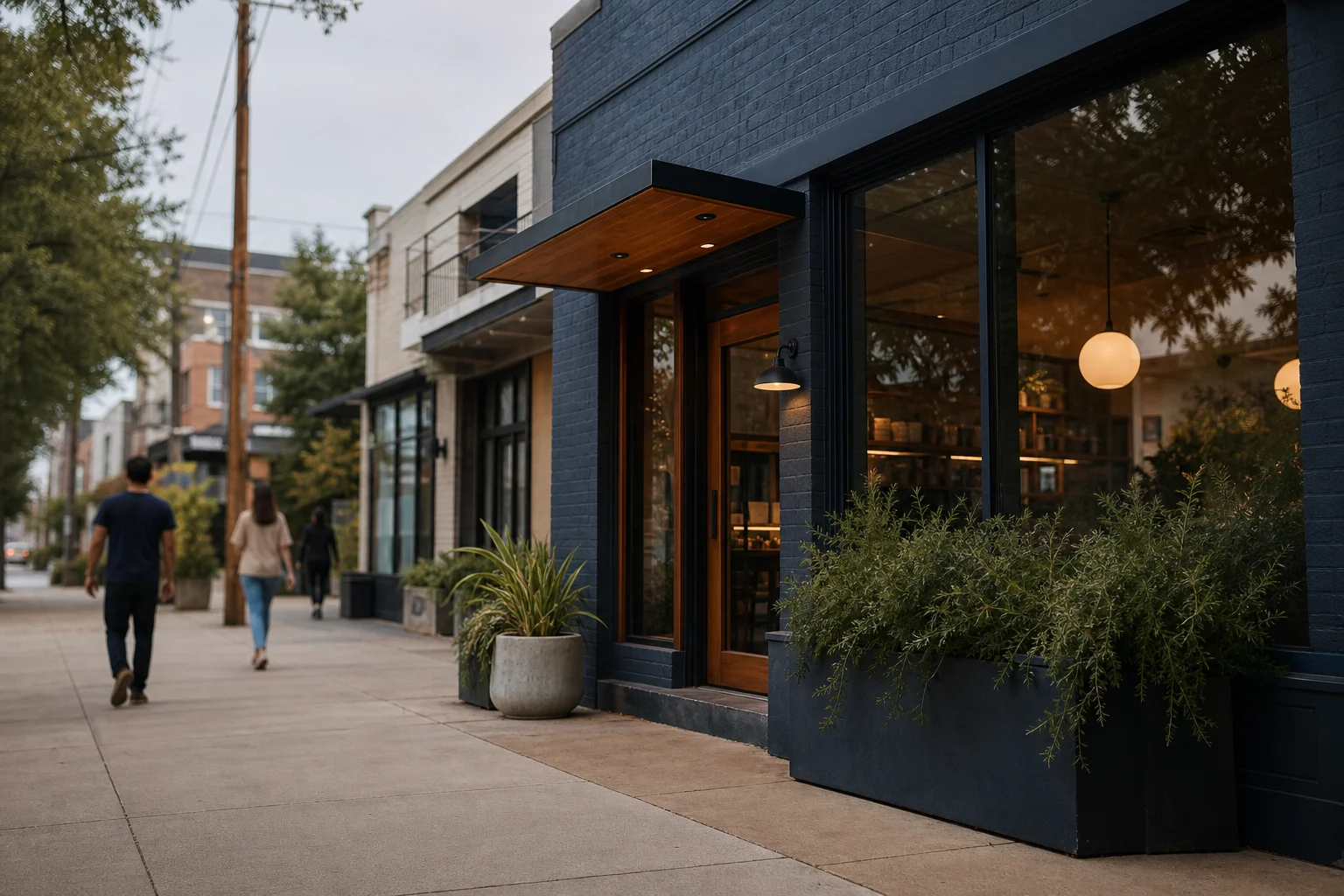
Why location fit matters for an ice cream shop
Location is critical for any brick-and-mortar business, but especially for an ice cream shop that relies on foot traffic and impulse purchases. The right neighborhood can provide consistent customer flow, appropriate rent levels, and a customer base that matches your brand. Seattle's diverse neighborhoods each offer unique advantages and challenges for ice cream shop entrepreneurs. Understanding these differences can help you avoid common pitfalls and position your business for success.
Top 3 neighborhoods to consider
Based on Locavisor neighborhood scoring, these three Seattle neighborhoods stand out as the best areas for an ice cream shop:
International District / Chinatown-ID (7.0/10)
International District / Chinatown-ID ranks as the top area for an ice cream concept in Seattle. This neighborhood offers zero direct competitors within the district despite heavy foot traffic from Uwajimaya, light rail access, and tourist draws like the Historic Chinatown Gate. Rent is moderate for Seattle—expect roughly $30-50/sqft NNN—and the walkability score is near ceiling. The late-night daypart is workable but not strong, so focus on afternoon/evening impulse buys to maximize your potential.
Pioneer Square (7.0/10)
Pioneer Square ranks second with the highest office density in the dataset, creating strong weekday lunch dessert demand from the 9-5 workforce. This neighborhood has three existing ice cream shops within 800m: Molly Moon's at 4.4★/160 reviews, Seattle Bay Creamery at 2.7★/127 reviews, and Ben & Jerry's at 4.6★/5 reviews. This creates a competitive but not saturated field that can support additional ice cream businesses if you differentiate effectively.
Capitol Hill (6.8/10)
Capitol Hill is Seattle's iconic F&B corridor with maxed-out office density and strong evening/bar culture. No dedicated ice cream shops were found in the immediate search area, though adjacent dessert operators like Yumm Mochi (4.6★, 304 reviews) and Top Pot Doughnuts (4.6★, 472 reviews) show strong dessert demand. This neighborhood offers an opportunity to capture market share in a dessert-friendly environment with less direct competition.
How the neighborhood scores are built
Locavisor's neighborhood scoring evaluates each area based on five key factors: demand, competition, rent fit, accessibility, and customer match. For International District / Chinatown-ID, the market temperature is rated as promising, with medium competition density and low rent levels. The score confidence for this data is 78%, based on the 2026-05 snapshot.
The scoring system considers both quantitative metrics like foot traffic counts and qualitative factors like neighborhood character. For ice cream shops specifically, areas with high foot traffic, moderate rent, and limited direct competition tend to score highest. The system also evaluates the alignment between neighborhood demographics and typical ice cream customer profiles.
How to validate the shortlist before signing a lease
Before committing to a location, conduct on-the-ground research during different times and days of the week. Visit your top neighborhoods during morning, afternoon, and evening hours to observe foot traffic patterns. Talk to local business owners about their experiences and challenges. Consider setting up a pop-up or participating in local events to test customer response before making a long-term commitment.
Review lease terms carefully, paying attention to duration, renewal options, and restrictions that might impact your operations. Factor in additional costs like utilities, insurance, and maintenance when evaluating affordability. Remember that rent is just one component of your location costs—consider the total investment required to establish and operate in each neighborhood.
Common mistakes founders make in Seattle
One common mistake is underestimating seasonality in Seattle's climate. Ice cream shops often see significant fluctuations in business between summer and winter months. Successful Seattle ice cream shops diversify their offerings or create indoor spaces to maintain year-round revenue.
Another pitfall is misjudging the competition. While some neighborhoods may have few direct ice cream competitors, they might have numerous dessert alternatives that could draw customers away. Thoroughly research all nearby food businesses, not just those in your direct category.
Finally, many founders overlook parking and accessibility. Seattle's hilly terrain and sometimes challenging weather conditions can impact how easily customers can reach your location. Prioritize areas with good public transportation connections and consider how weather might affect foot traffic.

FAQ
Where is the best location for An Ice Cream Shop in Seattle?
Based on Locavisor neighborhood scoring, International District / Chinatown-ID and Pioneer Square both rank as the best locations for an ice cream shop in Seattle, with identical scores of 7.0/10. Capitol Hill follows closely with a score of 6.8/10. Each neighborhood offers unique advantages: International District / Chinatown-ID has no direct competitors and high foot traffic, Pioneer Square has strong weekday lunch demand, and Capitol Hill offers a dessert-friendly environment with less direct competition.
How much should I expect to pay for rent in these neighborhoods?
Rent varies significantly between neighborhoods. In International District / Chinatown-ID, expect to pay roughly $30-50/sqft NNN, which is moderate for Seattle. Pioneer Square and Capitol Hill likely have higher rent levels, though specific figures weren't provided in the neighborhood scoring data.
What are the busiest times for ice cream shops in Seattle?
The busiest times vary by neighborhood. In Pioneer Square, weekday lunch hours (12-2 PM) see strong demand from the office workforce. In International District / Chinatown-ID, afternoon and evening impulse buys are most effective. Capitol Hill's strong evening/bar culture suggests that later hours might perform well there.
How can I differentiate my ice cream shop in competitive areas?
Focus on unique flavors, high-quality ingredients, or a distinctive concept that sets you apart from existing competitors. Consider local partnerships or community engagement to build a loyal customer base. In areas with existing ice cream shops, identify gaps in their offerings that you can fill.
What should I consider about seasonality when opening an ice cream shop in Seattle?
Seattle's climate includes rainy winters that can impact ice cream sales. Consider diversifying your menu with seasonal offerings, creating indoor seating areas, or developing weather-resistant outdoor spaces to maintain year-round business. Some successful ice cream shops in Seattle also offer hot beverages or baked goods during colder months.
How important is foot traffic for an ice cream shop?
Foot traffic is crucial for ice cream shops, which rely heavily on impulse purchases. Neighborhoods with high walkability scores and consistent foot traffic throughout the day tend to perform best. Consider both the quantity and quality of foot traffic—areas with families, tourists, or office workers may offer different customer profiles and purchasing behaviors.
What permits do I need to open an ice cream shop in Seattle?
Specific permit requirements weren't included in the neighborhood scoring data. However, all food businesses in Seattle typically need health permits, business licenses, and possibly specific food handling certifications. Contact Seattle's Department of Finance and Administrative Services for detailed information about required permits for your specific location and business type.
Last reviewed: 2026-05-08
Sources: U.S. Census Bureau ACS, LEHD LODES, Google Places, OpenStreetMap, Locavisor neighborhood scoring.
Methodology: Locavisor scores neighborhoods across demand, competition fit, rent fit, accessibility, and customer match. Scores reflect a snapshot of recent data and should be combined with on-the-ground research before lease decisions.
Disclaimer: This article provides informational content only and does not constitute legal, financial, accounting, or real-estate advice. Verify lease terms, licensing, local regulations, costs, and professional requirements with qualified local professionals before making business decisions.
Free preview shows top 3 neighborhoods. Full $9.99 report covers all 10 areas with personalized scoring + 90-day check-ins.
Informational only. Verify lease, licensing, local regulations, costs, and professional requirements with qualified local professionals.