Atlanta, GA · juice and smoothie bar
Best neighborhoods for a juice and smoothie bar in Atlanta
Atlanta presents a vibrant market for juice and smoothie bars, with health-conscious consumers and a growing population of wellness-focused residents. For small-business founders looking to establish a juice and smoothie bar in this dynamic city, choosing the right neighborhood is critical to success. Based on Locavisor's location intelligence analysis, Atlantic Station emerges as the top recommendation for a juice and smoothie bar, scoring 7.2/10 with a confidence level of 75%.
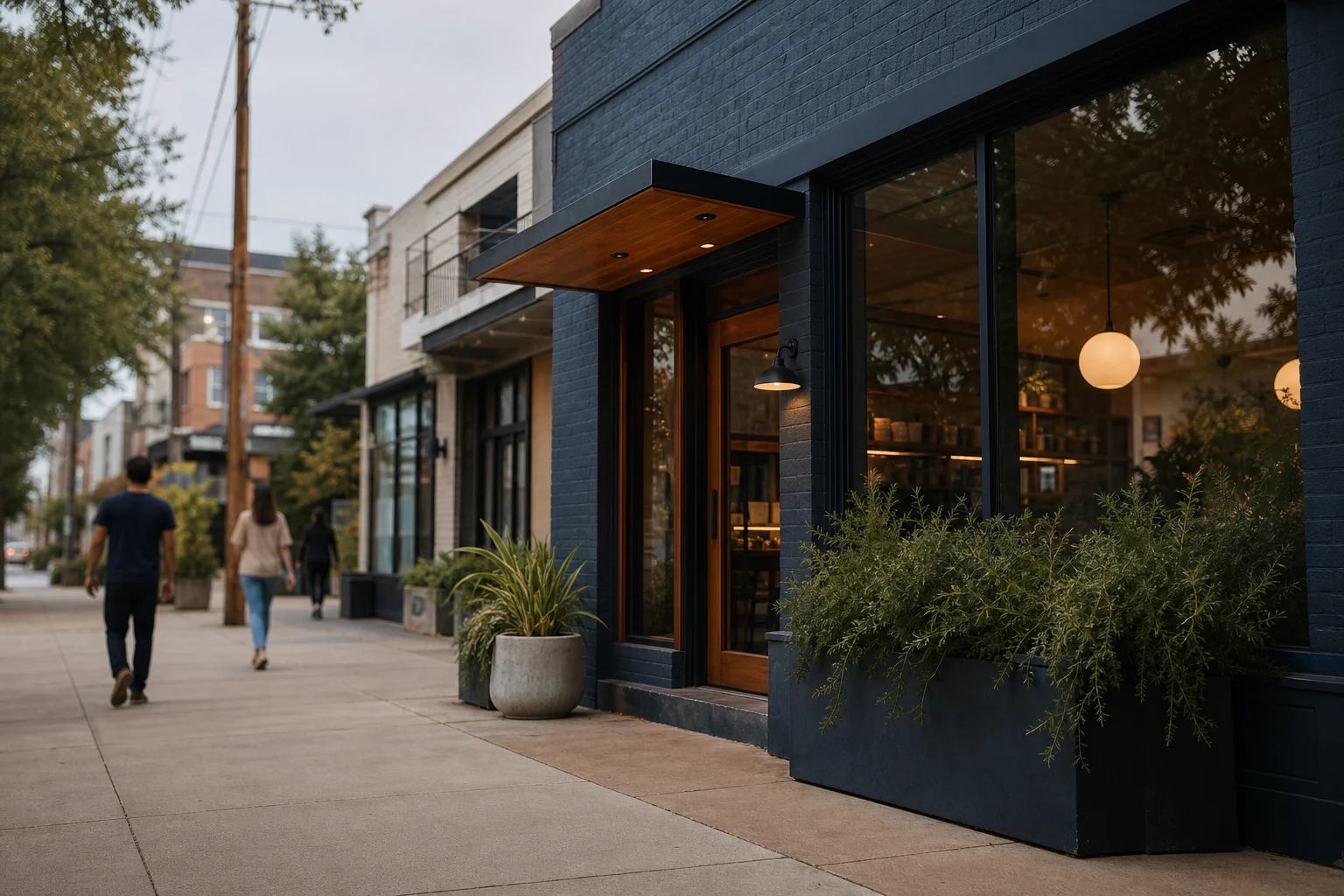
Where is the best location for a juice and smoothie bar in Atlanta?
The answer depends on several factors including foot traffic, competition density, rent costs, and target customer demographics. According to Locavisor research, the best neighborhoods for a juice and smoothie bar in Atlanta are those with high foot traffic, proximity to offices and schools, and a demographic that values health and wellness. Atlantic Station leads the rankings with a score of 7.2/10, followed closely by Downtown and Smyrna/Vinings, both scoring 6.8/10. These neighborhoods offer the right combination of visibility, accessibility, and customer base to support a successful juice and smoothie bar business.
When evaluating potential locations, founders should consider the rent bands, which typically range from $24-$55/sqft/yr NNN across most Atlanta neighborhoods, with Midtown being an exception at $42/sqft/yr NNN. The rent bands reflect the commercial real estate market conditions and should be factored into the business model. Additionally, the presence of anchor businesses like malls, offices, and schools can significantly impact customer flow and brand visibility.
Top neighborhoods for a juice and smoothie bar in Atlanta
Let's examine the top five neighborhoods identified by Locavisor for juice and smoothie bar opportunities in Atlanta:
Atlantic Station (score: 7.2/10, confidence: 75%, rent band: $24-$55/sqft/yr NNN) Atlantic Station stands out as the top neighborhood for a juice and smoothie bar in Atlanta. This mixed-use development combines retail, office space, and residential units, creating a steady flow of potential customers throughout the day. Key anchors include Atlantic Station mall, Dillard's, T3 West Midtown office building, and educational institutions like Savannah College of Art and Design and Miami Ad School Atlanta. The neighborhood benefits from excellent transit access via Atlantic Station and Arts Center stations, making it easily accessible for both locals and visitors. The diverse customer base, ranging from office workers to students and shoppers, provides consistent demand throughout the day.
Downtown (score: 6.8/10, confidence: 75%, rent band: $24-$55/sqft/yr NNN) Downtown Atlanta offers significant opportunities for juice and smoothie bars, particularly near major office buildings, universities, and transit hubs. Key anchors include Metro Mall, Ponce City Market, The Hurt Building, and Georgia State University. The area benefits from high foot traffic during business hours and events at venues like Ponce City Market. With multiple transit options including Atlanta Bus Station and Peachtree Center, Downtown provides excellent visibility and accessibility for a juice and smoothie bar. The concentration of office workers creates strong lunchtime demand, while the university presence ensures a steady stream of student customers.
Smyrna / Vinings (score: 6.8/10, confidence: 75%, rent band: $24-$55/sqft/yr NNN) Smyrna/Vinings presents a balanced opportunity for juice and smoothie bar operators. The neighborhood features major retail centers like Cumberland Mall and Vinings Jubilee, along with office spaces and educational institutions. Vinings Station and Cumberland Transfer Center provide convenient transit access, while The Historic Pace House adds to the area's character. This neighborhood attracts both local residents and commuters, creating a diverse customer base throughout the day. The presence of established businesses like Arden's Garden Juice Bar & Smoothies Vinings demonstrates the area's receptiveness to juice and smoothie concepts.
Old Fourth Ward (O4W) (score: 6.6/10, confidence: 75%, rent band: $24-$55/sqft/yr NNN) Old Fourth Ward offers a unique market for juice and smoothie bars, with a growing population of young professionals and families. Key anchors include Ponce City Market, SPX Alley, and educational institutions like The Kindezi School and Georgia State University's Andrew Young School of Policy Studies. The neighborhood benefits from transit access via Civic Center Marta Station and North Avenue, making it convenient for customers commuting to and from work or school. The area's vibrant arts scene and growing residential population create opportunities for businesses that can tap into the local culture.
Midtown (score: 6.6/10, confidence: 75%, rent band: $42/sqft/yr NNN) Midtown Atlanta, while having a higher rent band at $42/sqft/yr NNN, offers strong potential for juice and smoothie bars. The neighborhood is home to major office buildings, educational institutions like Savannah College of Art and Design and Georgia Institute of Technology, and retail centers including Atlantic Station and Colony Square. With excellent transit access via Midtown and Midtown Station, this area attracts a steady stream of customers throughout the day. The presence of businesses like Rush Bowls, which has earned 4.8 stars from 438 reviews, indicates that customers in this area value quality and are willing to pay for it.
Neighborhood comparison table
| Neighborhood | Score | Rent Band | Key Anchors | Transit Access | Customer Base |
|---|---|---|---|---|---|
| Atlantic Station | 7.2/10 | $24-$55/sqft/yr NNN | Atlantic Station mall, Dillard's, T3 West Midtown, SCAD | Atlantic Station, Arts Center | Office workers, students, shoppers |
| Downtown | 6.8/10 | $24-$55/sqft/yr NNN | Metro Mall, Ponce City Market, Georgia State University | Atlanta Bus Station, Peachtree Center | Office workers, students, tourists |
| Smyrna / Vinings | 6.8/10 | $24-$55/sqft/yr NNN | Cumberland Mall, Vinings Jubilee, Vinings School of Art | Vinings Station, Cumberland Transfer Center | Commuters, residents, families |
| Old Fourth Ward | 6.6/10 | $24-$55/sqft/yr NNN | Ponce City Market, SPX Alley, Georgia State University | Civic Center Marta Station, North Avenue | Young professionals, families, students |
| Midtown | 6.6/10 | $42/sqft/yr NNN | Atlantic Station, Colony Square, Georgia Tech | Midtown, Midtown Station | Office workers, students, professionals |
How to validate the shortlist before signing a lease
Before committing to a lease, founders should conduct thorough due diligence on their shortlisted neighborhoods. This process involves several key steps that can significantly impact the long-term success of your juice and smoothie bar.
First, visit each neighborhood at different times of day and days of the week to observe foot traffic patterns. Pay attention to when crowds are highest and what types of customers are present. For example, areas near offices will see peak traffic during lunch hours on weekdays, while neighborhoods with universities may have more activity in the morning and evening. Take notes on the volume and demographics of pedestrians, as this will help you understand your potential customer base.
Second, analyze the local competition in detail. Look at existing juice and smoothie bars in the area and assess their offerings, pricing, and customer reviews. In Downtown Atlanta, you'll find established players like Smoothie King (4 stars, 293 reviews), Planet Smoothie (2.7 stars, 32 reviews), and Centennial Juice Bar (4.8 stars, 17 reviews). Understanding the competitive landscape helps identify gaps in the market that your business could fill. Note what these businesses are doing well and where they're falling short based on customer feedback.
Third, evaluate the accessibility and visibility of potential locations. Consider proximity to transit stations, parking availability, and visibility from main streets. Neighborhoods with good transit access, like Atlantic Station and Downtown, can significantly increase customer reach. Look for locations with high visibility that can benefit from passive foot traffic.
Fourth, research local regulations and permitting requirements specific to food service businesses. While specific requirements may vary, founders should contact the City of Atlanta's Department of Revenue and Department of Planning and Community Development to understand licensing, health department regulations, and any neighborhood-specific restrictions. Be aware that health department inspections and food safety certifications are mandatory for juice and smoothie bars.
Fifth, assess the demographic fit of each neighborhood. Look at population density, age distribution, income levels, and lifestyle preferences in each area. Areas with health-conscious demographics and higher disposable income may be more receptive to premium juice and smoothie offerings. Consider whether your target customers live, work, or frequently visit the neighborhood.
Sixth, consider the long-term viability of the neighborhood. Look at development plans, population growth projections, and any major changes expected in the area. Atlantic Station, for example, has ongoing development that could increase foot traffic in the coming years. Understanding future changes helps you make a location decision that will remain relevant.
Seventh, calculate the total cost of occupancy, including rent (remembering the rent bands: $24-$55/sqft/yr NNN for most neighborhoods, $42/sqft/yr NNN for Midtown), utilities, and potential buildout costs. The NNN (triple net) rent structure means tenants typically pay a portion of property taxes, insurance, and maintenance in addition to base rent. Factor in these additional costs when budgeting.
Eighth, talk to local business owners and chamber of commerce representatives. They can provide valuable insights into the business climate, customer behavior, and any challenges specific to the neighborhood. Their firsthand experience can reveal information not available in reports or data.
Ninth, evaluate the availability of suppliers and service providers in each neighborhood. Proximity to fresh produce suppliers, equipment maintenance services, and other business support can impact operational efficiency and costs. Consider how easy it will be to source ingredients and handle equipment needs.
Tenth, consider the overall ambiance and fit with your brand identity. Some neighborhoods may align better with a fast-casual juice bar concept, while others might be more suitable for a premium, wellness-focused establishment. Think about how your brand will resonate with the local culture and customer expectations.
Local competition signals to check
Understanding the competitive landscape is crucial for positioning your juice and smoothie bar effectively. In Atlanta's top neighborhoods, several established players provide valuable insights into customer preferences and market dynamics.
In Downtown Atlanta, Smoothie King (4 stars, 293 reviews) and Centennial Juice Bar (4.8 stars, 17 reviews) demonstrate that there's demand for quality juice and smoothie options. However, Planet Smoothie's lower rating (2.7 stars, 32 reviews) suggests that quality and customer service are critical differentiators in this market. Customer reviews often highlight the importance of fresh ingredients and efficient service.
Smyrna/Vinings is home to Arden's Garden Juice Bar & Smoothies Vinings, which has built a strong reputation with 4.7 stars from 345 reviews. This indicates that customers in this area value fresh, high-quality ingredients and are willing to pay for them. The high rating suggests that authenticity and quality can overcome higher price points in this market.
Midtown shows a mix of competition, with Rush Bowls earning 4.8 stars from 438 reviews, suggesting strong customer satisfaction, while Tropical Smoothie Cafe (3.6 stars, 501 reviews) and Dtox Juice Midtown (3.5 stars, 28 reviews) indicate that there's room for improvement in the market. The variance in ratings suggests that customers are discerning and will reward businesses that deliver exceptional experiences.
Customer review themes from these establishments provide additional insights. Common feedback includes appreciation for friendly staff and welcoming atmospheres, while some customers note concerns about limited seating and slow service during peak hours. Pricing appears to be a mixed bag, with some customers perceiving prices as fair for quality, while others feel the cost is high relative to portion sizes.
These competition signals suggest that a successful juice and smoothie bar in Atlanta should focus on quality ingredients, efficient service, and creating a welcoming atmosphere. Differentiating through unique offerings, superior customer service, or a distinct brand identity can help new businesses stand out in these competitive neighborhoods. Consider what gaps exist in the current market - perhaps a neighborhood lacks healthy, organic options, or customers are dissatisfied with current service levels.

FAQ
Q: What are the typical rent costs for a juice and smoothie bar in Atlanta's top neighborhoods? A: Rent bands in Atlanta's top neighborhoods for juice and smoothie bars typically range from $24-$55/sqft/yr NNN, with Midtown being an exception at $42/sqft/yr NNN. The NNN (triple net) structure means tenants usually pay a portion of property taxes, insurance, and maintenance in addition to base rent. These costs vary based on location, building quality, and specific lease terms.
Q: How does foot traffic vary between Atlanta's recommended neighborhoods? A: Foot traffic patterns differ by neighborhood and time of day. Atlantic Station and Downtown see consistent traffic throughout the day due to office workers, shoppers, and transit users. Smyrna/Vinings has steady commuter traffic, while Old Fourth Ward and Midtown attract more students and young professionals. Visiting locations at different times (morning, lunch, evening, weekends) helps assess actual foot traffic and customer demographics.
Q: What permits are required to open a juice and smoothie bar in Atlanta? A: Juice and smoothie bar operators in Atlanta typically need business licensing from the City of Atlanta, health department permits for food service, and potentially zoning approvals. Specific requirements may vary by neighborhood, so founders should contact the City of Atlanta's Department of Revenue and Department of Planning and Community Development for the most current information. Health department inspections and food safety certifications are mandatory.
Q: How can I differentiate my juice and smoothie bar from existing competitors in Atlanta? A: Differentiation can come from several angles: offering unique flavor combinations or healthy ingredients not found elsewhere, creating an exceptional customer experience with fast service and welcoming atmosphere, implementing a strong brand identity, or focusing on sustainability practices. Analyzing customer reviews of competitors reveals opportunities - for example, addressing concerns about limited seating or slow service during peak hours can give your business a competitive edge.
Q: What's the best time to open a juice and smoothie bar in Atlanta? A: The timing depends on your target market and location. Areas near offices may see peak demand during lunch hours on weekdays, while neighborhoods with universities might have more activity in the morning and evening. Summer months generally see higher demand for refreshing beverages, but health-conscious consumers drive year-round demand in Atlanta's wellness-focused market. Consider seasonal variations and local events that might impact customer traffic.
Last reviewed: 2026-05-30
Sources: U.S. Census Bureau ACS, LEHD LODES, Google Places, OpenStreetMap, Locavisor neighborhood scoring.
Methodology: Locavisor scores neighborhoods across demand, competition fit, rent fit, accessibility, and customer match. Scores reflect a snapshot of recent data and should be combined with on-the-ground research before lease decisions.
Disclaimer: This article provides informational content only and does not constitute legal, financial, accounting, or real-estate advice. Verify lease terms, licensing, local regulations, costs, and professional requirements with qualified local professionals before making business decisions.
Free preview shows top 3 neighborhoods. Full $9.99 report covers all 10 areas with personalized scoring + 90-day check-ins.
Informational only. Verify lease, licensing, local regulations, costs, and professional requirements with qualified local professionals.