Boston, MA · juice and smoothie bar
Best neighborhoods for a juice and smoothie bar in Boston
Finding the right location for your juice and smoothie bar in Boston requires more than just picking a busy street. The city's diverse neighborhoods each offer unique advantages for health-focused food businesses. Based on Locavisor's location intelligence analysis, Quincy Center / North Quincy emerges as the top neighborhood for a juice and smoothie bar in Boston, scoring 7.8/10 with 82% confidence. This comprehensive guide breaks down the top five neighborhoods, their key characteristics, and how to validate your location choice before committing to a lease.
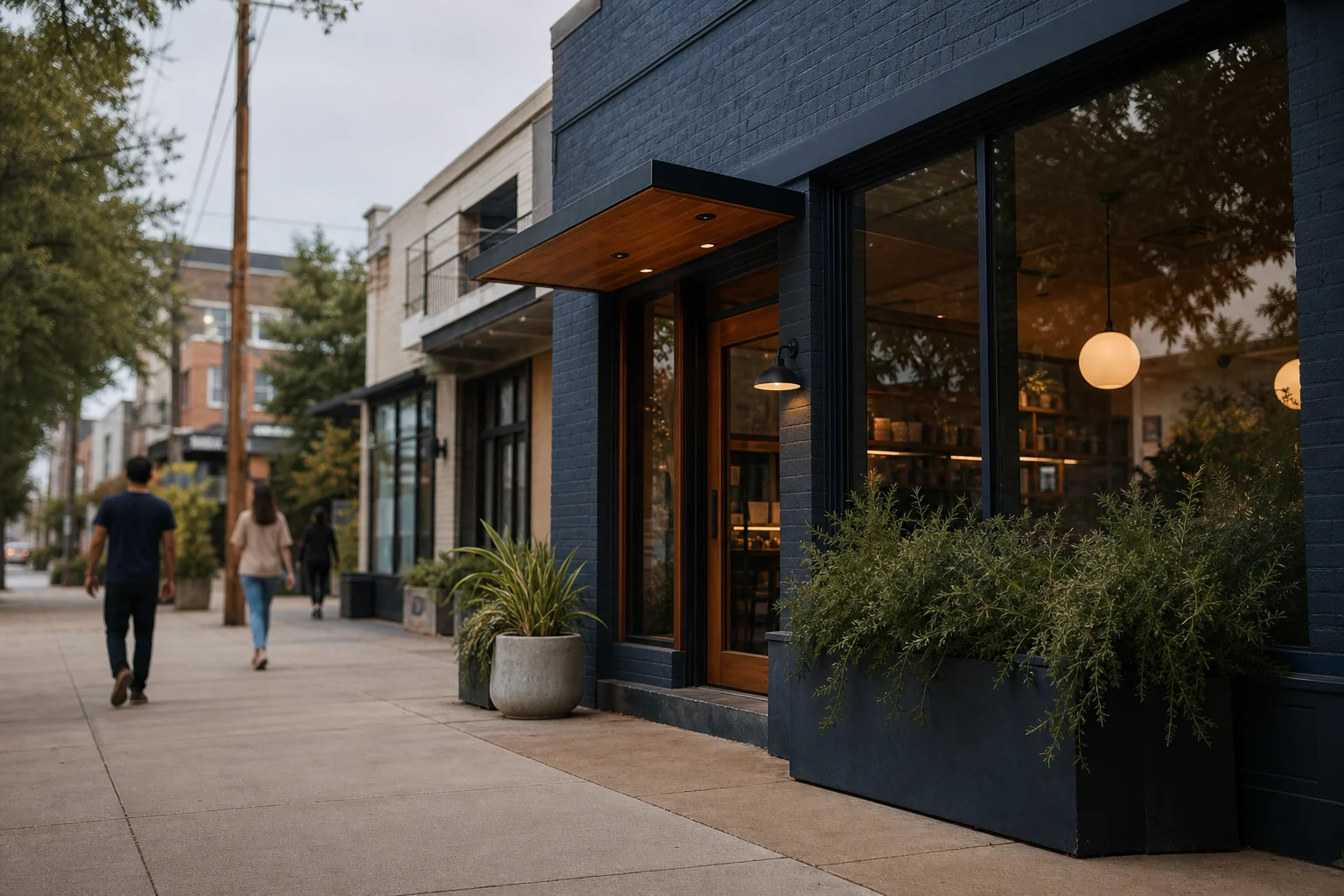
Where is the best location for a juice and smoothie bar in Boston?
The answer depends on your business model, target customer, and budget. Boston's neighborhoods vary significantly in rent costs, foot traffic, and customer demographics. Quincy Center / North Quincy leads our rankings with its strong mix of residential density, office presence, and transit access. However, other neighborhoods like Cambridge (Kendall Square / MIT) and Back Bay offer different advantages that might better align with your specific business strategy.
When evaluating potential locations, consider these critical factors:
- Proximity to office buildings and student populations
- Accessibility via public transportation
- Competition density and market saturation
- Rent affordability relative to your target pricing
- Local zoning regulations for food service businesses
Top neighborhoods for a juice and smoothie bar in Boston
Quincy Center / North Quincy (Score: 7.8/10)
Quincy Center / North Quincy tops our list with an impressive 7.8/10 score. This neighborhood offers a balanced mix of residential density, office presence, and transit accessibility. Key anchors include North Quincy Plaza (mall), Workbar Quincy (office), and North Quincy High School (school), creating a diverse customer base throughout the day. The rent band here ranges from $26-$150/sqft/yr NNN, making it one of Boston's more affordable options for new businesses.
The neighborhood benefits from strong transit connections via the MBTA Red Line at North Quincy station, ensuring consistent foot traffic from commuters and students. With major employers like Gamma North Quincy and proximity to North Quincy High School, this area provides steady daytime customers looking for healthy meal options.
Cambridge (Kendall Square / MIT) (Score: 7.3/10)
Cambridge's Kendall Square / MIT neighborhood scores 7.3/10, driven by its concentration of tech companies, universities, and high-income professionals. Anchors include Google Cambridge, CIC Cambridge, and MIT, creating a market of health-conscious customers with disposable income. However, the rent band here is significantly higher at $85/sqft/yr NNN, reflecting the premium location.
The area benefits from two major transit points: Kendall/MIT station serving the Red Line and Main St @ Kendall Station. The presence of CambridgeSide mall and One Kendall Square adds additional foot traffic, though competition from existing food establishments may be more intense in this tech-heavy district.
Back Bay (Score: 7.1/10)
Back Bay scores 7.1/10, offering prime real estate at a premium price point. With rent bands reaching $150/sqft/yr NNN, this neighborhood caters to businesses targeting high-end customers. Key anchors include Copley Place, Prudential Center, and Boston University, creating a market of affluent residents, students, and tourists.
The neighborhood benefits from excellent transit access via Back Bay Station (serving Amtrak and Orange Line) and the Back Bay transit stop. Existing businesses like Mother Juice and Pressed Juicery demonstrate market viability, though their mixed reviews suggest customer expectations are high in this competitive area.
Assembly Row (Somerville) (Score: 6.8/10)
Assembly Row in Somerville scores 6.8/10, offering a more affordable option with rent bands from $26-$150/sqft/yr NNN. The neighborhood features The Assembly Row mall, Revolution at Assembly Row (school), and Staples Coworking, creating a mixed-use environment with both retail and office traffic.
Transit access comes through the Assembly station, and the presence of Civility Social House adds to the neighborhood's vibrant food scene. This area may appeal to businesses targeting families and office workers in the growing Somerville market.
Beacon Hill (Score: 6.8/10)
Beacon Hill ties for fourth place with a 6.8/10 score. This historic neighborhood offers proximity to Prudential Center, Faneuil Hall Marketplace, and Bunker Hill Community College. Rent bands range from $26-$150/sqft/yr NNN, though space availability may be limited in this established area.
The neighborhood benefits from Charles/MGH transit stop and Massachusetts Ave @ Beacon St, ensuring good visibility and accessibility. However, the historic nature of the area may present unique zoning challenges for new food businesses.
Neighborhood comparison table
| Neighborhood | Score | Rent Band | Key Anchors | Transit Access |
|---|---|---|---|---|
| Quincy Center / North Quincy | 7.8/10 | $26-$150/sqft/yr NNN | North Quincy Plaza, Workbar Quincy, North Quincy High School | North Quincy (Red Line) |
| Cambridge (Kendall Square / MIT) | 7.3/10 | $85/sqft/yr NNN | Google Cambridge, MIT, CambridgeSide | Kendall/MIT (Red Line) |
| Back Bay | 7.1/10 | $150/sqft/yr NNN | Copley Place, Prudential Center, Boston University | Back Bay Station (Amtrak & Orange Line) |
| Assembly Row (Somerville) | 6.8/10 | $26-$150/sqft/yr NNN | The Assembly Row, Revolution at Assembly Row | Assembly |
| Beacon Hill | 6.8/10 | $26-$150/sqft/yr NNN | Prudential Center, Faneuil Hall, Bunker Hill Community College | Charles/MGH, Massachusetts Ave @ Beacon St |
How to validate the shortlist before signing a lease
Before committing to a location, conduct thorough due diligence using these validation steps:
Visit during different times of day: Observe foot traffic patterns at morning, lunch, and evening rush hours. Note the types of people passing through and their likely destinations.
Assess competition density: Count existing juice bars, smoothie shops, and health food establishments within a 5-block radius. Look for gaps in the market that your business could fill.
Evaluate transit accessibility: Test the walk from major transit stops to potential locations. Note any barriers like busy streets or lack of sidewalks that might deter customers.
Research local regulations: Contact the Boston Public Health Commission and your local zoning board to understand requirements for food service businesses, including permits, inspections, and signage restrictions.
Analyze customer demographics: Use Locavisor or similar tools to understand the age, income, and lifestyle patterns of residents and workers in each neighborhood.
Speak with existing business owners: If possible, talk to nearby restaurant or shop owners about their experience with the location, customer base, and local business community.
Local competition signals to check
When evaluating competition in Boston's neighborhoods, pay attention to these key signals from existing businesses:
- Mother Juice in Back Bay has a 4.5-star rating from 338 reviews, indicating strong customer satisfaction but also setting a high bar for quality and service.
- Pressed Juicery in the same area shows a 3.5-star rating from 143 reviews, suggesting potential challenges with customer expectations or operational consistency.
- Review themes reveal important customer concerns: pricing perceptions, service quality, and wait times. Several reviews mention "pricing perceived as high relative to poor food quality" and "extended wait times," highlighting operational challenges that new businesses should address.
- Positive feedback often centers on "friendly, attentive staff" and "fresh, quality ingredients," suggesting these are key differentiators in the market.
- Some locations demonstrate exceptional individual staff performance, indicating that training and employee retention may be critical success factors.
Understanding these competition signals helps you position your juice and smoothie bar to meet or exceed customer expectations while addressing common pain points in the local market.

FAQ
Q: What's the average rent I should expect for a juice and smoothie bar location in Boston?
A: Rent varies significantly by neighborhood. Quincy Center / North Quincy offers the most affordable options at $26-$150/sqft/yr NNN, while Back Bay reaches $150/sqft/yr NNN. Cambridge (Kendall Square / MIT) falls in the middle at $85/sqft/yr NNN. Your specific rent will depend on location within the neighborhood, space size, and lease terms.
Q: Do I need special permits to open a juice and smoothie bar in Boston?
A: Yes, you'll need permits from the Boston Public Health Commission for food service operations. This typically includes a Food Service Permit and potentially a Mobile Food Vendor Permit if you plan to operate a food truck. You should also check with your local zoning board for any specific requirements related to your chosen neighborhood.
Q: How can I differentiate my juice and smoothie bar from existing competition in Boston?
A: Based on customer reviews, focus on exceptional staff training and customer service, as these are frequently mentioned as positive differentiators. Consider unique ingredient sourcing or specialized menu items that aren't widely available. Pay attention to operational efficiency to minimize wait times, as extended wait times are a common customer complaint. Finally, ensure your pricing aligns with the quality and portion sizes you provide to avoid value perception issues.
Last reviewed: 2026-05-30
Sources: U.S. Census Bureau ACS, LEHD LODES, Google Places, OpenStreetMap, Locavisor neighborhood scoring.
Methodology: Locavisor scores neighborhoods across demand, competition fit, rent fit, accessibility, and customer match. Scores reflect a snapshot of recent data and should be combined with on-the-ground research before lease decisions.
Disclaimer: This article provides informational content only and does not constitute legal, financial, accounting, or real-estate advice. Verify lease terms, licensing, local regulations, costs, and professional requirements with qualified local professionals before making business decisions.
Free preview shows top 3 neighborhoods. Full $9.99 report covers all 10 areas with personalized scoring + 90-day check-ins.
Informational only. Verify lease, licensing, local regulations, costs, and professional requirements with qualified local professionals.