Denver, CO · juice and smoothie bar
Best neighborhoods for a juice and smoothie bar in Denver
For small-business founders looking to open a juice and smoothie bar in Denver, location is everything. The right neighborhood can mean the difference between thriving and struggling. Based on Locavisor's location intelligence data, LoDo (Lower Downtown) emerges as the top neighborhood for a juice and smoothie bar in Denver, with an overall score of 8.5/10.
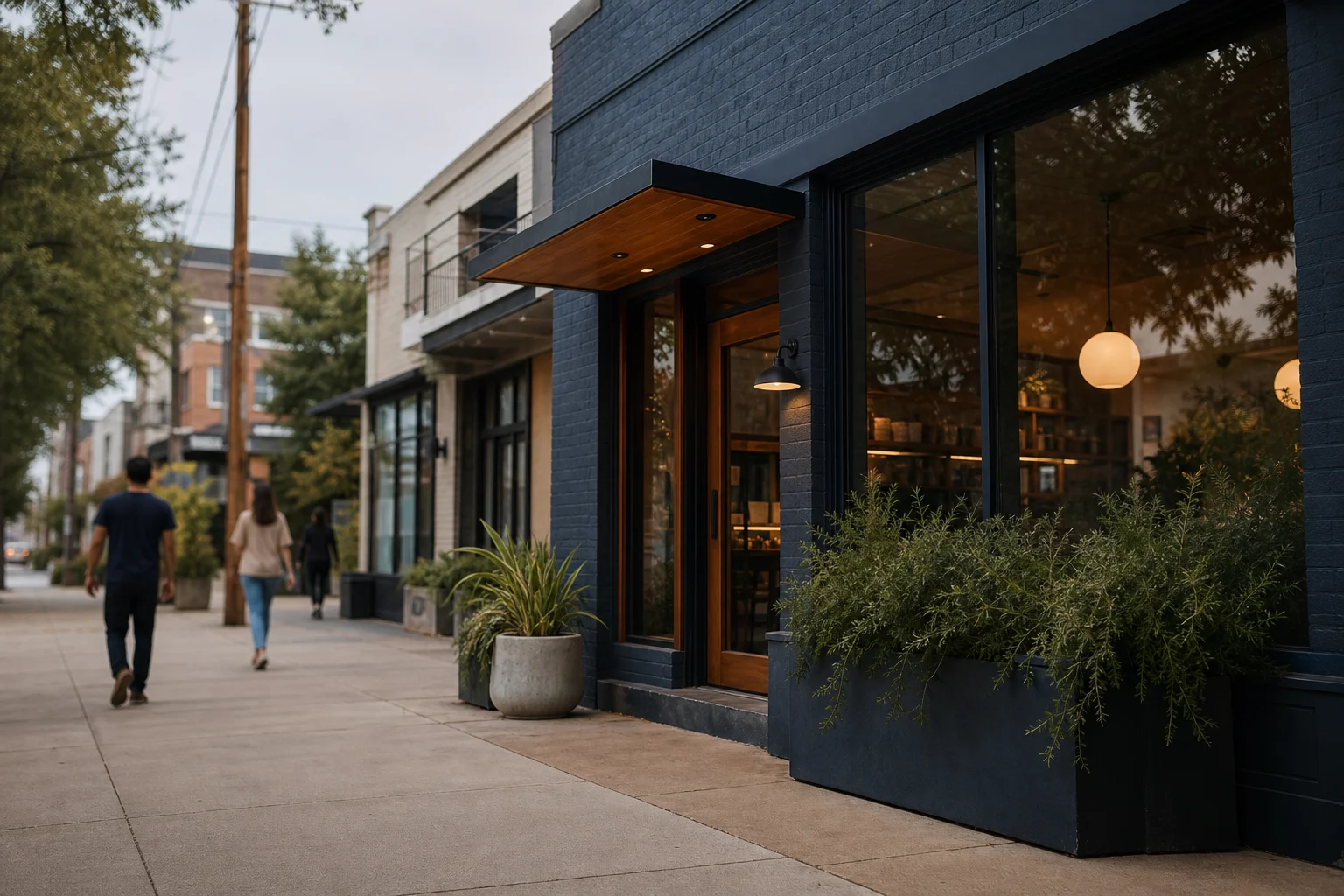
Where is the best location for a juice and smoothie bar in Denver?
The answer depends on your business model, target audience, and budget. Denver offers several strong neighborhoods for juice and smoothie bars, each with unique advantages. LoDo (Lower Downtown) leads the pack with its high foot traffic, transit access, and established commercial environment. However, other neighborhoods like RiNo (River North Art District) and Five Points offer compelling alternatives with different market dynamics.
Top neighborhoods for a juice and smoothie bar in Denver
Let's examine the top five neighborhoods for a juice and smoothie bar in Denver, ranked by Locavisor's scoring system:
LoDo (Lower Downtown)
LoDo stands at the top of our list with an impressive score of 8.5/10. This neighborhood offers prime real estate with a rent band of $48/sqft/yr NNN. The area benefits from major anchors including 16th Street Mall, Denver Pavilions, and Union Station, creating consistent foot traffic throughout the day. With office buildings like Serendipity Labs and Union Square Building, plus educational institutions such as the University of Colorado Denver, LoDo attracts a diverse customer base of professionals, students, and tourists.
Existing juice and smoothie operations in LoDo include Rush Bowls (3.8 stars from 72 reviews) and Juice Kitchen (4.6 stars from 145 reviews), indicating market acceptance for this business type. The neighborhood's transit access via Union Station and Gate B4 makes it easily reachable for customers across the city.
RiNo (River North Art District)
RiNo follows closely with a score of 7.8/10. Like LoDo, RiNo has a rent band of $48/sqft/yr NNN, reflecting its status as a premium commercial district. The neighborhood is anchored by the RiNo Art District itself, along with office spaces like The Hub and INDUSTRY Denver. Educational institutions such as CSU Spur and the RiNo Art District contribute to a creative, health-conscious demographic.
Campo Juice + Kitchen operates successfully in RiNo with an outstanding 4.9 stars rating from 306 reviews, demonstrating the neighborhood's strong demand for quality juice and smoothie options. Transit access via RTD - District Shops and 38th - Blake stations ensures good customer reach.
Five Points
Five Points scores 7.5/10 and offers more flexible rent options with a band of $26-$75/sqft/yr NNN. This neighborhood benefits from proximity to 16th Street Mall and Denver Pavilions, while maintaining its own distinct character. Office spaces like The Hub and INDUSTRY Denver, plus schools including University Prep and the University of Colorado Denver, create a mixed-use environment perfect for a juice and smoothie bar.
The neighborhood's transit access via 25th-Welton Station and 27th & Welton Station stations makes it convenient for customers. The rent flexibility in Five Points allows for business models ranging from quick-service to more upscale offerings.
Baker
Baker scores 6.7/10 with rent options of $26-$75/sqft/yr NNN. This neighborhood offers a more residential feel while maintaining commercial viability. Anchors include Denver Pavilions and the Alameda Square Shopping Center, with office spaces like Switchyards Baker and Grid Collaborative Workspace. Educational institutions such as Emily Griffith Technical College add to the customer base.
Baker's transit access via Alameda Station and its status as a historic district make it attractive for businesses seeking a neighborhood feel with good visibility. The rent range accommodates various business models and investment levels.
Cherry Creek
Cherry Creek rounds out our top five with a score of 6.6/10. This neighborhood has a premium rent band of $75/sqft/yr NNN, reflecting its high-end commercial status. Anchors include Cherry Creek Shopping Center and Cherry Creek North, with office spaces like Intelligent Office and Office Evolution. The Hill Campus of Arts and Sciences contributes to a educated customer base.
Organic Squeeze operates in Cherry Creek, though specific ratings aren't detailed in our data. The neighborhood's transit access via Downtown Cherry Creek and its status as a prominent commercial district make it suitable for businesses targeting higher-end customers.
Neighborhood comparison table
| Neighborhood | Score | Rent Band | Key Advantages | Transit Access |
|---|---|---|---|---|
| LoDo (Lower Downtown) | 8.5/10 | $48/sqft/yr NNN | High foot traffic, diverse customer base, premium location | Union Station, Gate B4 |
| RiNo (River North Art District) | 7.8/10 | $48/sqft/yr NNN | Creative demographic, strong demand for healthy options | RTD - District Shops, 38th - Blake |
| Five Points | 7.5/10 | $26-$75/sqft/yr NNN | Flexible rent options, mixed-use environment | 25th-Welton Station, 27th & Welton Station |
| Baker | 6.7/10 | $26-$75/sqft/yr NNN | Historic district, residential-commercial balance | Alameda Station |
| Cherry Creek | 6.6/10 | $75/sqft/yr NNN | High-end customers, premium shopping | Downtown Cherry Creek |
How to validate the shortlist before signing a lease
Before committing to a location, founders should conduct thorough due diligence. Visit each neighborhood during different times of day and days of the week to assess foot traffic patterns. Observe customer demographics and spending habits at existing businesses, including juice and smoothie bars like Rush Bowls, Juice Kitchen, and Campo Juice + Kitchen.
Research local permitting requirements with the City and County of Denver. While we can't provide specific permit costs, founders should contact the Denver Department of Public Health and Environment and the Denver Building and Safety departments to understand requirements for food service businesses.
Assess competition intensity by visiting existing juice and smoothie operations. Note their hours, pricing, and customer reviews. For example, Campo Juice + Kitchen in RiNo has exceptional ratings (4.9 stars from 306 reviews), suggesting strong market demand, while Rush Bowls in LoDo has more modest ratings (3.8 stars from 72 reviews), potentially indicating room for improvement or differentiation.
Local competition signals to check
When evaluating neighborhoods, pay attention to customer feedback about existing juice and smoothie bars. Our data shows several key themes:
- Quick, efficient service and polite barista interactions are valued by customers
- Some venues struggle with noise levels during peak hours and long wait times
- Entrance visibility and seating availability impact customer experience
- Pricing perceptions vary, with some customers finding value in higher-priced specialty items
- Milk creaminess and portion sizes are specific areas of customer feedback
These insights can help you differentiate your business. For instance, if noise is a common complaint, consider sound mitigation in your design. If wait times are an issue, develop efficient service protocols or reservation systems.

FAQ
Q: What's the average rent I should expect for a juice and smoothie bar location in Denver?
A: Rent varies significantly by neighborhood. Premium areas like LoDo and RiNo have rent bands around $48/sqft/yr NNN, while neighborhoods like Five Points and Baker offer more flexibility with $26-$75/sqft/yr NNN. Cherry Creek represents the high end at $75/sqft/yr NNN.
Q: How important is transit access for a juice and smoothie bar in Denver?
A: Very important. Neighborhoods with strong transit connections, such as LoDo (Union Station) and RiNo (RTD - District Shops), benefit from consistent customer flow throughout the day. Consider proximity to light rail and bus stops when evaluating locations.
Q: What customer demographics should I target for a juice and smoothie bar in Denver?
A: Denver's health-conscious population, including professionals, students, and tourists, forms your core market. Neighborhoods with offices (like The Hub in Five Points), schools (University of Colorado Denver), and tourist attractions (16th Street Mall) provide diverse customer bases suitable for juice and smoothie businesses.
Last reviewed: 2026-05-30
Sources: U.S. Census Bureau ACS, LEHD LODES, Google Places, OpenStreetMap, Locavisor neighborhood scoring.
Methodology: Locavisor scores neighborhoods across demand, competition fit, rent fit, accessibility, and customer match. Scores reflect a snapshot of recent data and should be combined with on-the-ground research before lease decisions.
Disclaimer: This article provides informational content only and does not constitute legal, financial, accounting, or real-estate advice. Verify lease terms, licensing, local regulations, costs, and professional requirements with qualified local professionals before making business decisions.
Free preview shows top 3 neighborhoods. Full $9.99 report covers all 10 areas with personalized scoring + 90-day check-ins.
Informational only. Verify lease, licensing, local regulations, costs, and professional requirements with qualified local professionals.