Detroit, MI · juice and smoothie bar
Best neighborhoods for a juice and smoothie bar in Detroit
Finding the best neighborhoods for a juice and smoothie bar in Detroit requires careful analysis of location factors that directly impact success. For small business founders, selecting the right neighborhood can mean the difference between thriving and merely surviving in the competitive Detroit food scene. This article examines the top neighborhoods based on Locavisor neighborhood scoring to help you make an informed decision.
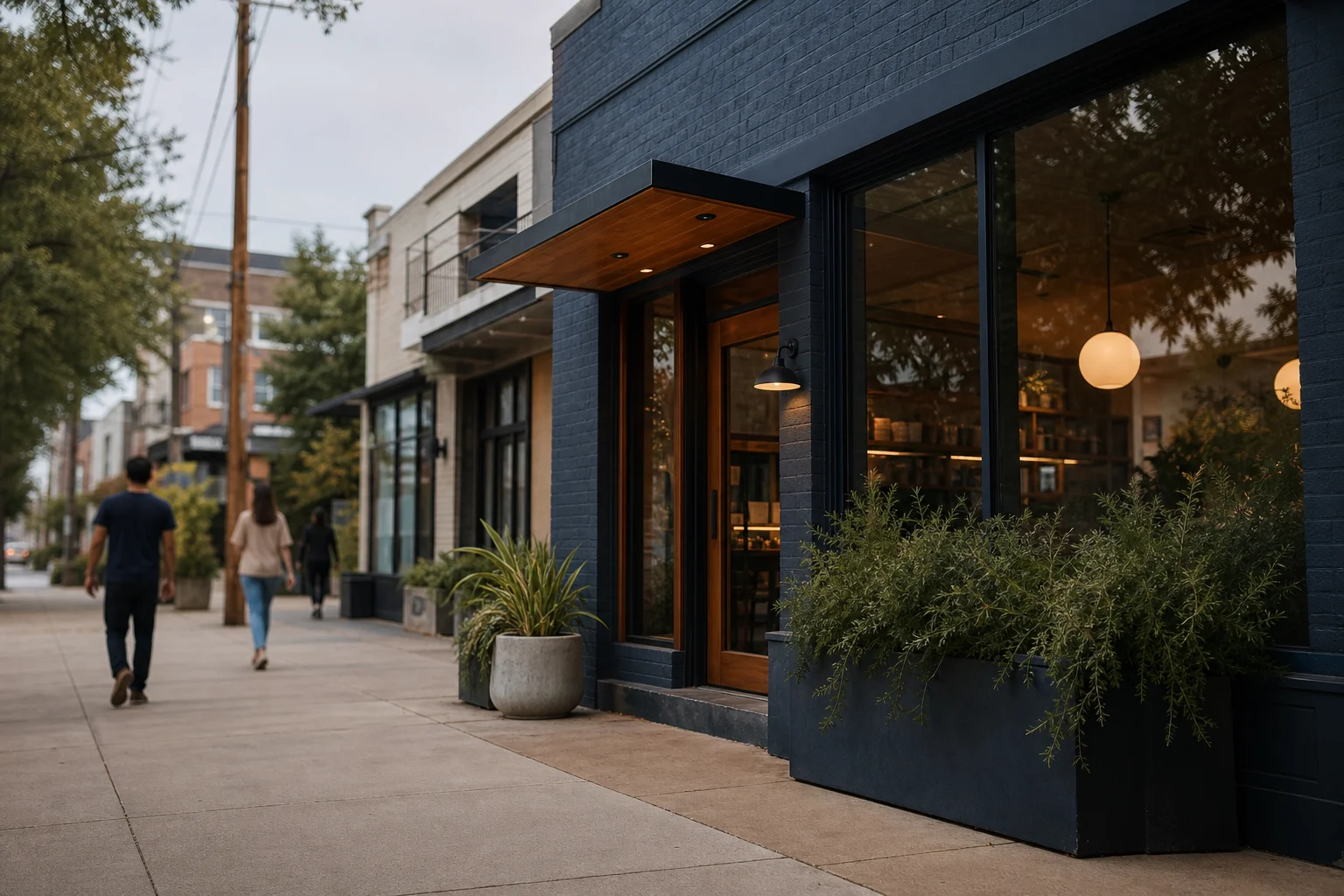
Why location fit matters for a juice and smoothie bar
Location is critical for a juice and smoothie bar business. These establishments rely heavily on foot traffic, visibility, and accessibility to attract customers. Unlike restaurants that may draw diners from across the city, juice and smoothie bars typically serve customers within a limited radius. The ideal location should have high walkability, proximity to offices or residential areas with health-conscious demographics, and minimal direct competition. Detroit's diverse neighborhoods offer different advantages, making it essential to match your business concept with the right environment.
Top 3 neighborhoods to consider
Based on Locavisor neighborhood scoring, here are the top three neighborhoods for opening a juice and smoothie bar in Detroit:
Downtown Detroit (8.0/10)
Downtown Detroit's Woodward Ave corridor is the strongest candidate for a juice-smoothie concept. Office density is near ceiling — roughly 10,500 weekday workers within 800m — and walkability is top-tier. Two existing juice competitors (Tropical Smoothie Cafe at 4.5★/667 reviews, Juice Box Detroit at 4.5★/79 reviews) prove demand but leave room for a differentiated morning-focused operator.
The market temperature is promising with medium competition density and low rent levels. With a score confidence of 78%, Downtown Detroit presents a balanced opportunity for entrepreneurs looking to enter the juice and smoothie market. The area's high concentration of office workers creates built-in demand for quick, healthy options during weekday mornings and lunch hours.
Lafayette Park (7.9/10)
Lafayette Park sits adjacent to downtown with strong walkability and the same maxed-out office density. It's a residential-anchored corridor (Mies van der Rohe townhouses) with a moderate-income mix and above-average affluence. No direct juice-smoothie competitors exist within the area — a clean entry point. Rent runs roughly $30-50/sqft NNN.
This neighborhood offers a unique advantage with its lack of direct competition in the juice and smoothie category. The residential component provides a stable customer base, while the proximity to downtown ensures additional foot traffic from office workers. The Mies van der Rohe townhouses add a distinctive architectural element that could appeal to health-conscious, design-oriented customers.
Greektown (7.7/10)
Greektown is a high-walkability entertainment corridor anchored by Greektown Casino, Monroe St restaurants, and the People Mover. Office density is maxed out, and parking access is near ceiling. One juice competitor (Juice Box Detroit, 4.5★/79 reviews) operates 715m away. Rent runs roughly $30-50/sqft NNN.
The entertainment focus of Greektown provides opportunities for both daytime and evening business, though the primary customer base would likely be casino employees and visitors during daytime hours. The People Mover offers excellent connectivity to other parts of Detroit, potentially drawing customers from surrounding areas. The presence of one existing competitor indicates market validation while still leaving room for additional players with a differentiated offering.
How the neighborhood scores are built
Locavisor neighborhood scoring evaluates potential locations based on five key factors: demand, competition, rent fit, accessibility, and customer match. For juice and smoothie bars, demand is measured by office and residential density within walking distance, as well as existing food service establishments. Competition density assesses the number of similar businesses in the area.
Rent fit evaluates whether commercial rents align with the business model's financial projections. Accessibility considers walkability, parking availability, and public transit connections. Customer match analyzes demographic data to determine alignment with the target market for juice and smoothie bars—typically health-conscious consumers with moderate to high disposable income.
The scores are based on a 2026-05 snapshot of Detroit's commercial landscape, with a confidence level of 78%. This means the data is reliable but may not account for very recent changes in the market. Founders should use these scores as a starting point for further research rather than the sole decision-making factor.
How to validate the shortlist before signing a lease
While neighborhood scores provide valuable insights, they should be supplemented with on-the-ground validation. Visit each neighborhood during different times of day and week to observe foot traffic patterns. Note when potential customers are most active and what types of businesses they frequent.
Observe existing juice and smoothie competitors to understand their strengths, weaknesses, and customer base. Consider how your concept could differentiate itself from these established players. Talk to local business owners to gain insights into the area's business climate, challenges, and opportunities.
Check for any upcoming developments or changes that might impact the neighborhood's business environment. New construction could increase foot traffic, while road closures or other disruptions might temporarily affect business. Consider the visibility of potential locations from major streets and pedestrian pathways.
Common mistakes founders make in Detroit
One common mistake is underestimating the importance of understanding local customer preferences. Detroit's diverse neighborhoods have distinct demographics and tastes. What works in one area may not resonate in another. Take time to understand the specific neighborhood's culture and customer base before finalizing your concept.
Another error is failing to account for seasonality in Detroit's climate. Juice and smoothie bars may experience slower business during colder months when outdoor foot traffic decreases. Consider how your business model will adapt to seasonal fluctuations and whether your chosen location has indoor attractions that can maintain foot traffic year-round.
Some founders also overlook the importance of parking availability. While walkability is crucial, many customers will drive to your business, especially if they're purchasing items to take home or to the office. Ensure your location has adequate parking or is easily accessible by car.

FAQ
Where is the best location for A Juice and Smoothie Bar in Detroit?
Based on Locavisor neighborhood scoring, Downtown Detroit is the best location for a juice and smoothie bar in Detroit, with an overall score of 8.0/10. The Woodward Ave corridor offers high office density, excellent walkability, and proven demand with two existing competitors.
How much does commercial rent cost in these neighborhoods?
In both Lafayette Park and Greektown, commercial rent runs roughly $30-50/sqft NNN. Downtown Detroit has low rent levels according to the Locavisor scoring, though specific rates may vary by exact location within the neighborhood.
Are there many juice and smoothie competitors in these areas?
Downtown Detroit has two existing juice competitors (Tropical Smoothie Cafe and Juice Box Detroit), while Lafayette Park has no direct juice-smoothie competitors. Greektown has one juice competitor (Juice Box Detroit) located 715m away.
What are the operating hours for juice and smoothie bars in Detroit?
While specific hours vary by business, juice and smoothie bars in Detroit typically operate from early morning (around 7 AM) to mid-afternoon (3-5 PM), though some extend hours to accommodate evening customers in entertainment districts like Greektown.
How important is walkability for a juice and smoothie bar?
Walkability is extremely important for juice and smoothie bars, as they typically rely on foot traffic rather than destination visits. All three top-ranked neighborhoods (Downtown Detroit, Lafayette Park, and Greektown) have high walkability scores according to Locavisor data.
Last reviewed: 2026-05-08
Sources: U.S. Census Bureau ACS, LEHD LODES, Google Places, OpenStreetMap, Locavisor neighborhood scoring.
Methodology: Locavisor scores neighborhoods across demand, competition fit, rent fit, accessibility, and customer match. Scores reflect a snapshot of recent data and should be combined with on-the-ground research before lease decisions.
Disclaimer: This article provides informational content only and does not constitute legal, financial, accounting, or real-estate advice. Verify lease terms, licensing, local regulations, costs, and professional requirements with qualified local professionals before making business decisions.
Free preview shows top 3 neighborhoods. Full $9.99 report covers all 10 areas with personalized scoring + 90-day check-ins.
Informational only. Verify lease, licensing, local regulations, costs, and professional requirements with qualified local professionals.