Phoenix, AZ · juice and smoothie bar
Best neighborhoods for a juice and smoothie bar in Phoenix
Finding the right location can make or break a juice and smoothie bar business. In Phoenix's competitive food scene, choosing the right neighborhood means understanding local demand, competition levels, and customer demographics. This guide ranks the best neighborhoods for a juice and smoothie bar in Phoenix based on Locavisor's neighborhood scoring methodology.
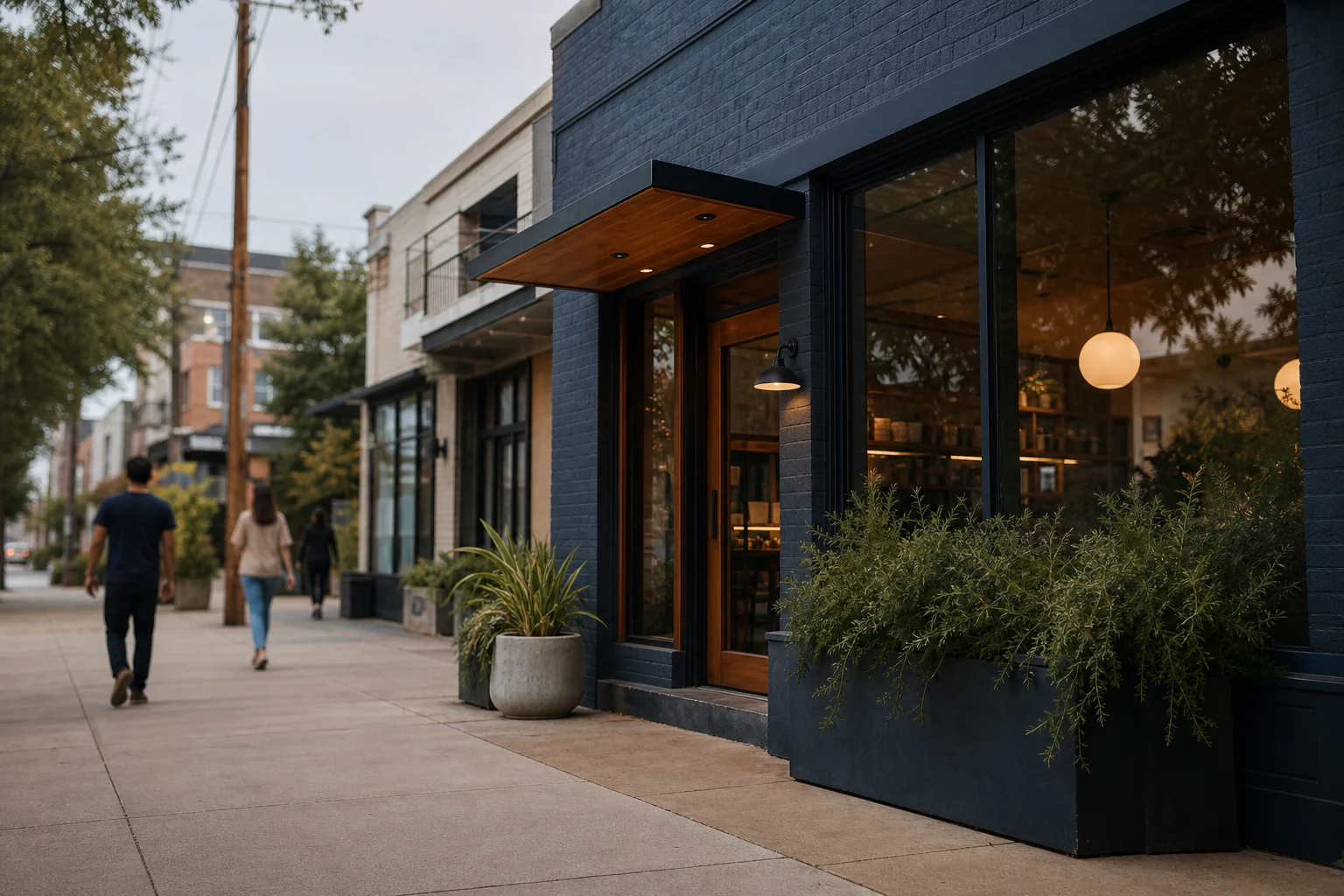
Why location fit matters for a juice and smoothie bar
Location is critical for a juice and smoothie bar business. These establishments rely on high foot traffic, visibility, and accessibility to attract customers. The right neighborhood should have sufficient demand for healthy beverages, manageable competition, and affordable rent that allows for sustainable operations. Phoenix's diverse neighborhoods offer different advantages for juice and smoothie entrepreneurs, from college campuses with health-conscious students to upscale areas with premium pricing potential.
A well-chosen location can significantly impact your business's success. The best neighborhoods for a juice and smoothie bar in Phoenix balance customer demographics, competition density, and operational costs. Understanding these factors helps founders make informed decisions about where to open a juice and smoothie bar in Phoenix.
Top 3 neighborhoods to consider
Based on Locavisor neighborhood scoring, these three Phoenix neighborhoods stand out as the best areas for a juice and smoothie bar:
Tempe / ASU campus (7.6/10)
The top-ranked area is Tempe / ASU campus, anchored by Arizona State University's 50K+ student body and Mill Avenue's dense retail corridor. Four existing juice/smoothie operators within 800m — Nautical Bowls (4.9★, 225 reviews), Pure Green (4.7★, 77 reviews), Nekter Juice Bar (3.5★, 98 reviews), and Emerald City Smoothie (4.2★, 19 reviews) — prove demand while signaling a crowded field. Market temperature is promising, competition density is medium, and rent level is low. Score confidence is 82% based on the 2026-05 snapshot.
Roosevelt Row (7.5/10)
Roosevelt Row ranks second, representing Phoenix's arts district anchored by Roosevelt Row, First Friday events, and ASU Downtown campus. Walkability is near ceiling, and the area draws a mix of office workers, students, and event-driven tourist traffic. This neighborhood offers strong visibility and consistent foot traffic, particularly during First Friday events when thousands of visitors explore the area's galleries, restaurants, and shops.
Camelback Corridor (7.3/10)
Camelback Corridor takes the third spot, featuring an upscale office corridor along Camelback Road between 24th and 44th Streets, anchored by Biltmore Fashion Park and multiple coworking hubs. Office index is city-leading — this is Phoenix's premier white-collar employment node. Zero direct juice/smoothie competitors exist within the corridor, despite strong lunch-daypart demand. Affluence is above-average, supporting premium pricing.
How the neighborhood scores are built
Locavisor neighborhood scoring evaluates potential business locations across multiple dimensions. For juice and smoothie bars, the methodology assesses demand indicators, competition density, rent levels, accessibility, and customer demographics. Each neighborhood receives a score from 1-10, with higher scores indicating better overall fit for a juice and smoothie bar business.
The scoring system considers both quantitative and qualitative factors. Demand indicators include foot traffic patterns, nearby complementary businesses, and customer demographics that align with juice and smoothie preferences. Competition density evaluates the number and quality of existing juice and smoothie operators in the area. Rent levels assess affordability relative to expected revenue. Accessibility measures transportation options and visibility. Customer demographics analyze income levels, age groups, and lifestyle preferences that indicate potential demand for healthy beverages.
How to validate the shortlist before signing a lease
Before committing to a location, founders should conduct additional validation. Visit each neighborhood at different times of day and week to observe actual foot traffic patterns. Talk to local business owners about neighborhood dynamics and seasonal variations. Research local regulations and permitting requirements specific to food service businesses.
Consider conducting a small customer survey in your target neighborhoods to gauge interest in a new juice and smoothie bar. Analyze competitor strengths and weaknesses by visiting their locations and noting their offerings, pricing, and customer reviews. This ground validation can confirm or challenge the initial neighborhood rankings and provide valuable insights for business planning.

Common mistakes founders make in Phoenix
Many juice and smoothie bar founders make avoidable mistakes when choosing locations. One common error is underestimating the importance of visibility and accessibility. A great location with poor visibility or limited parking can significantly impact customer acquisition. Another mistake is failing to account for seasonal variations in foot traffic, which can be substantial in Phoenix's climate-sensitive environment.
Some founders also misjudge competition density, either overlooking indirect competitors or underestimating the impact of similar businesses. Others focus too heavily on rent costs without considering the revenue potential of the location. Balancing these factors requires careful analysis and often multiple site visits before making a final decision.
FAQ
Where is the best location for A Juice and Smoothie Bar in Phoenix?
Based on Locavisor neighborhood scoring, Tempe / ASU campus is the best location for a juice and smoothie bar in Phoenix, with an overall score of 7.6/10. This area offers strong demand from Arizona State University's 50K+ student body and Mill Avenue's dense retail corridor. While competition density is medium with four existing juice/smoothie operators within 800m, the market temperature is promising and rent level is low, making it an attractive option for new juice and smoothie bar entrepreneurs.
How important is foot traffic for a juice and smoothie bar?
Foot traffic is critical for a juice and smoothie bar business. These establishments typically rely on walk-in customers rather than appointments. Neighborhoods with high foot traffic, like Tempe / ASU campus and Roosevelt Row, offer greater visibility and spontaneous customer opportunities. When evaluating potential locations, consider not just overall foot traffic but also the quality of that traffic—whether it includes your target demographic of health-conscious consumers.
What rent levels can I expect in Phoenix's top neighborhoods?
Rent levels vary significantly across Phoenix's neighborhoods. According to Locavisor data, Tempe / ASU campus offers low rent levels, making it an attractive option for budget-conscious entrepreneurs. Roosevelt Row and Camelback Corridor typically have higher rent costs but may offer greater revenue potential due to different customer demographics and competition levels. When evaluating rent, consider not just the monthly cost but also the square footage and location quality relative to your business model.
How do I assess competition in potential neighborhoods?
Competition assessment involves both quantitative and qualitative analysis. Quantitatively, count the number of existing juice and smoothie bars within a reasonable radius (typically 800m-1km). Qualitatively, evaluate their offerings, pricing, customer reviews, and market positioning. In Tempe / ASU campus, for example, four existing operators with varying star ratings (3.5-4.9★) indicate a competitive but not saturated market. Consider how your business might differentiate itself from existing competitors.
What customer demographics are most important for juice and smoothie bars?
Juice and smoothie bars typically appeal to health-conscious consumers, including young professionals, students, fitness enthusiasts, and wellness-oriented individuals. Neighborhoods with high concentrations of these demographics, like Tempe / ASU campus with its student population and Camelback Corridor with its white-collar workforce, offer strong potential. Consider age distribution, income levels, lifestyle preferences, and health consciousness when evaluating customer fit for your juice and smoothie bar concept.
Last reviewed: 2026-05-08
Sources: U.S. Census Bureau ACS, LEHD LODES, Google Places, OpenStreetMap, Locavisor neighborhood scoring.
Methodology: Locavisor scores neighborhoods across demand, competition fit, rent fit, accessibility, and customer match. Scores reflect a snapshot of recent data and should be combined with on-the-ground research before lease decisions.
Disclaimer: This article provides informational content only and does not constitute legal, financial, accounting, or real-estate advice. Verify lease terms, licensing, local regulations, costs, and professional requirements with qualified local professionals before making business decisions.
Free preview shows top 3 neighborhoods. Full $9.99 report covers all 10 areas with personalized scoring + 90-day check-ins.
Informational only. Verify lease, licensing, local regulations, costs, and professional requirements with qualified local professionals.