Seattle, WA · juice and smoothie bar
Best neighborhoods for a juice and smoothie bar in Seattle
Finding the best neighborhoods for a juice and smoothie bar in Seattle requires careful analysis of local demand, competition, and operational costs. As a small-business founder, your location choice will significantly impact your success in this competitive market. Locavisor's neighborhood scoring system helps identify the most promising areas for your juice and smoothie venture.
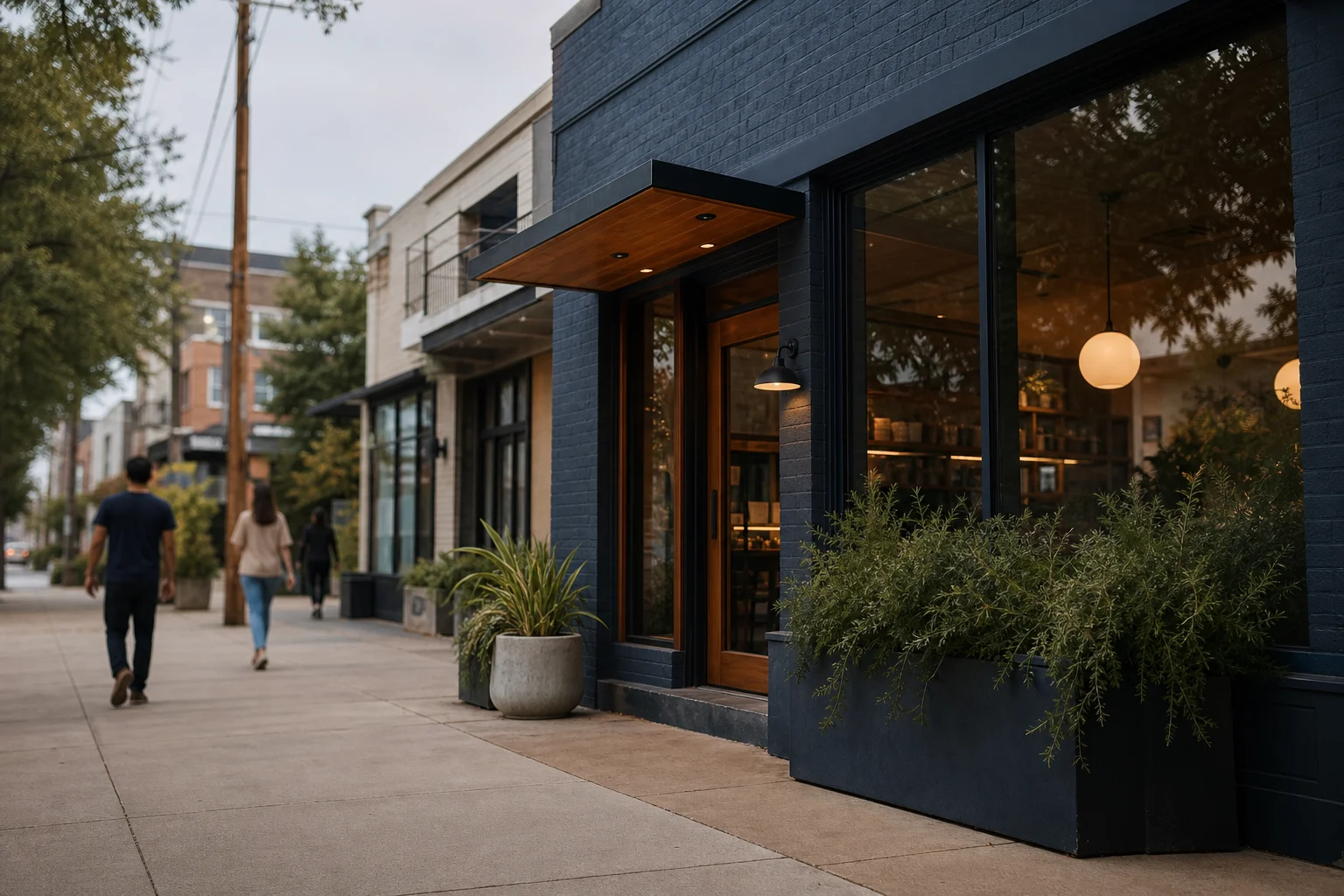
Why location fit matters for a juice and smoothie bar
Location is the foundation of any successful juice and smoothie bar business. Your physical address determines customer accessibility, visibility, and operational costs. Seattle's diverse neighborhoods offer distinct advantages for juice and smoothie entrepreneurs. The right location aligns with your target customer base while minimizing overhead expenses. A well-chosen spot can mean the difference between thriving and merely surviving in Seattle's competitive beverage market.
Top 3 neighborhoods to consider
Based on Locavisor neighborhood scoring, three Seattle neighborhoods stand out as prime locations for a juice and smoothie bar. Each offers unique advantages for different business models and target customers.
Eastlake / Cascade (7.8/10)
Eastlake / Cascade edges South Lake Union's Amazon campus with a maxed-out office index and strong morning/lunch daypart scores. No direct juice-smoothie competitors exist within the area — zero incumbent to displace. Expect roughly $30-50/sqft NNN, which is workable for a medium-budget operator. The residential density is strong too, giving you weekend backup beyond the weekday office crowd.
This neighborhood scores highest overall due to its perfect balance of office workers and residents. The lack of direct competition gives you a clean market entry. Rent levels are reasonable for Seattle standards, allowing for healthy profit margins. The area's walkability and proximity to the lake add appeal for health-conscious customers.
Capitol Hill (7.6/10)
Capitol Hill is Seattle's densest walkable neighborhood — maxed-out walkability, daytime population, and retail anchor density. There's one direct competitor, Emerald City Smoothie (3.8★, 139 reviews), which is beatable on quality and positioning. Expect roughly $45-70/sqft NNN — premium but justified by the foot traffic.
Capitol Hill's walkability and high daytime population create consistent customer flow. The existing competitor presents an opportunity rather than a barrier, given its modest rating. Higher rent costs are offset by the volume of potential customers. This neighborhood attracts a diverse demographic that values health-conscious options.
Madrona / Leschi (7.5/10)
Madrona / Leschi is a lakefront residential neighborhood with a tight, walkable commercial core along 34th Ave. No direct juice-smoothie competitors. Rent is the most affordable on this list at roughly $30-50/sqft NNN.
This neighborhood offers the most budget-friendly option while maintaining strong residential appeal. The lakefront location provides a natural draw for health-conscious customers. The absence of direct competition means you can establish market dominance. Lower operational costs allow for more flexibility in pricing and marketing strategies.
How the neighborhood scores are built
Locavisor's neighborhood scoring system evaluates multiple factors to determine the best locations for a juice and smoothie bar. Each neighborhood receives a score from 1-10 based on five key criteria:
Demand measures the concentration of potential customers through daytime population, walkability scores, and retail anchor density. Higher demand areas attract more foot traffic and potential sales.
Competition density assesses the number of existing juice and smoothie businesses in the area. Lower competition often indicates market opportunity but requires careful consideration of customer education needs.
Rent fit evaluates the cost per square foot against the neighborhood's earning potential. The ideal balance minimizes overhead while maximizing revenue opportunities.
Accessibility considers transportation options, parking availability, and walkability. Easy access encourages repeat visits and word-of-mouth referrals.
Customer match analyzes demographic alignment with juice and smoothie bar patrons. Health-conscious demographics, fitness enthusiasts, and office workers typically represent ideal customers.
The final score combines these factors with a confidence rating indicating data reliability. For example, Eastlake / Cascade's 7.8/10 score carries 78% confidence based on the 2026-05 snapshot.
How to validate the shortlist before signing a lease
While neighborhood rankings provide valuable guidance, on-the-ground validation remains essential. Visit each neighborhood during different times of day and week. Observe foot traffic patterns and note where people gather. Talk to local business owners about neighborhood dynamics and customer habits.
Check for upcoming developments that might impact your business. New office buildings could increase weekday traffic, while residential construction might temporarily disrupt operations. Research Seattle's permitting process and timeline for your specific neighborhood.
Consider conducting a small customer survey in your top neighborhoods. Ask potential customers about their juice and smoothie preferences and price sensitivity. This direct feedback can complement the neighborhood data and inform your business strategy.
Common mistakes founders make in Seattle
Many juice and smoothie bar founders underestimate Seattle's seasonal variations. Summer crowds don't automatically translate to winter success. Develop a business model that performs well year-round, not just during peak seasons.
Some founders fixate on high-traffic areas without considering the actual customer match. A busy location might attract tourists rather than your target demographic. Ensure your neighborhood aligns with your ideal customer profile.
Pricing errors frequently undermine Seattle juice and smoothie businesses. Research local price points carefully. Seattle consumers value quality but remain price-sensitive. Your pricing strategy should reflect both ingredient quality and local market conditions.

FAQ
Where is the best location for A Juice and Smoothie Bar in Seattle?
Based on Locavisor neighborhood scoring, Eastlake / Cascade ranks as the best location for a juice and smoothie bar in Seattle with a score of 7.8/10. This neighborhood offers strong office and residential density with no direct competitors and reasonable rent levels at $30-50/sqft NNN.
How much does it cost to open a juice and smoothie bar in Seattle?
Startup costs vary significantly by neighborhood and business model. Eastlake / Cascade and Madrona / Leschi offer rent at roughly $30-50/sqft NNN, while Capitol Hill ranges from $45-70/sqft NNN. Equipment, permits, and staffing costs will also impact your total investment.
What's the best time of day to operate a juice and smoothie bar in Seattle?
Morning and lunch hours typically perform best in office-heavy neighborhoods like Eastlake / Cascade. Residential neighborhoods like Madrona / Leschi may see more consistent traffic throughout the day. Your operating hours should align with your neighborhood's peak demand periods.
How do I compete with existing juice and smoothie businesses?
Focus on quality ingredients and unique offerings that differentiate your business. In neighborhoods with existing competitors like Capitol Hill, emphasize superior products and customer service. Build a strong local presence through community engagement and social media marketing.
What permits do I need to open a juice and smoothie bar in Seattle?
Seattle requires food service permits, business licenses, and health department approvals. The specific requirements vary by neighborhood and business model. Consult with Seattle's business licensing office and health department for neighborhood-specific requirements.
Last reviewed: 2026-05-08
Sources: U.S. Census Bureau ACS, LEHD LODES, Google Places, OpenStreetMap, Locavisor neighborhood scoring.
Methodology: Locavisor scores neighborhoods across demand, competition fit, rent fit, accessibility, and customer match. Scores reflect a snapshot of recent data and should be combined with on-the-ground research before lease decisions.
Disclaimer: This article provides informational content only and does not constitute legal, financial, accounting, or real-estate advice. Verify lease terms, licensing, local regulations, costs, and professional requirements with qualified local professionals before making business decisions.
Free preview shows top 3 neighborhoods. Full $9.99 report covers all 10 areas with personalized scoring + 90-day check-ins.
Informational only. Verify lease, licensing, local regulations, costs, and professional requirements with qualified local professionals.