Phoenix, AZ · nail salon
Best neighborhoods for a nail salon in Phoenix
Choosing the right location is critical for success when opening a nail salon in Phoenix. The best neighborhoods for a nail salon in Phoenix offer a balance of foot traffic, competition levels, affordability, and customer demographics that align with your business model. In this guide, we'll rank the top neighborhoods based on Locavisor neighborhood scoring to help you make an informed decision about where to open a nail salon in Phoenix.
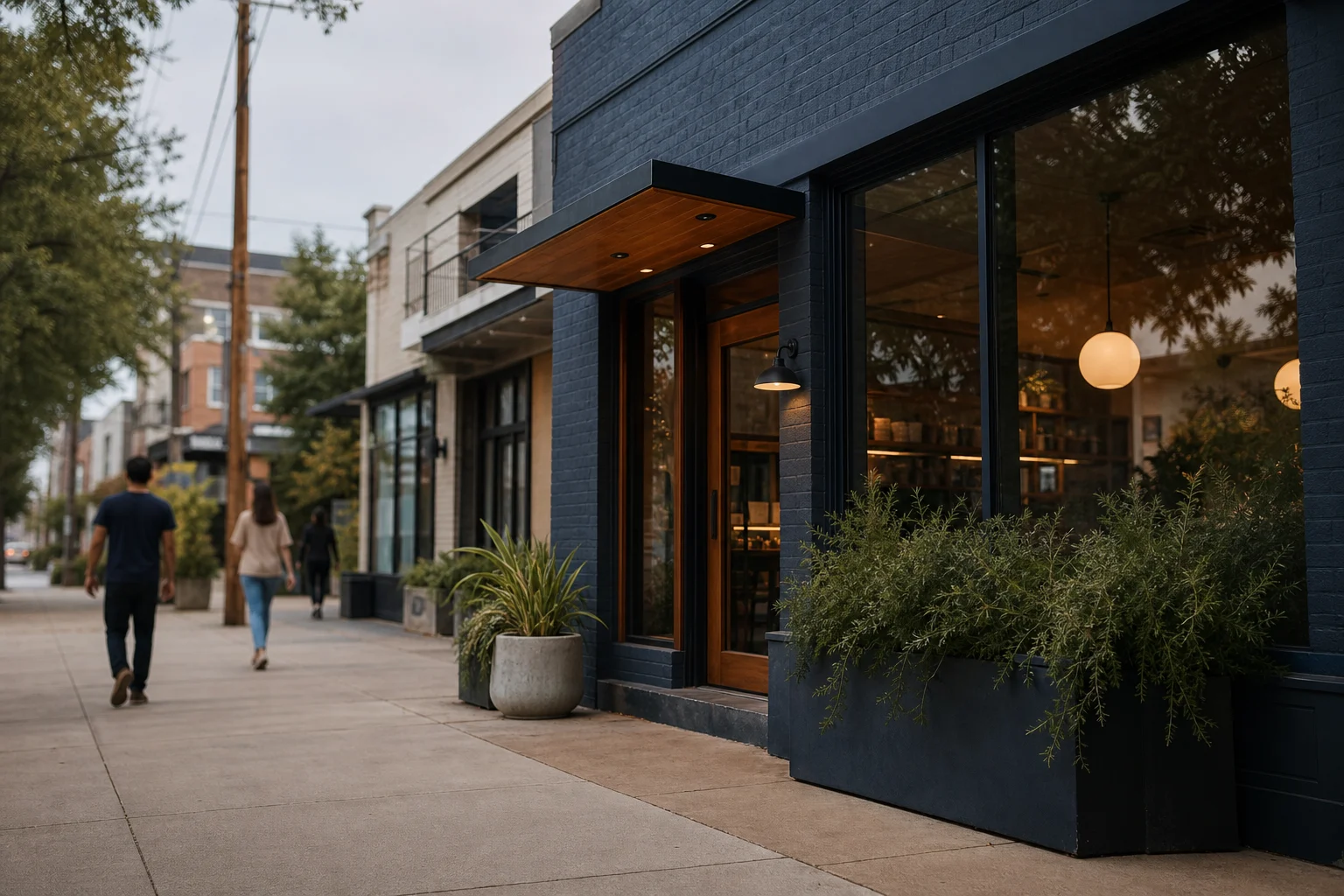
Why location fit matters for a nail salon
Location determines visibility, accessibility, and customer flow. A nail salon in a high-traffic area attracts more walk-in clients. Proximity to complementary businesses like boutiques, offices, and residential areas creates natural synergies. The right neighborhood matches your target demographic—whether you're serving busy professionals, students, or tourists. Phoenix's diverse neighborhoods each offer distinct advantages. Understanding these differences helps you select the best areas for a nail salon in Phoenix that aligns with your business vision and budget.
Top 3 neighborhoods to consider
Based on Locavisor neighborhood scoring, here are the top three neighborhoods for opening a nail salon in Phoenix:
Camelback Corridor (6.9/10)
Camelback Corridor between 24th and 44th is the strongest bet — anchored by Biltmore Fashion Park and Town & Country, with city-leading office density driving strong weekday lunch traffic. Two existing nail salons nearby (Biltmore Nail Bar at 4.5★/157 reviews, Soak Nail Shop at 5★/6 reviews) but no saturation. Expect roughly $30-50/sqft NNN.
The Camelback Corridor offers the highest overall score among Phoenix neighborhoods for nail salons. Its strategic location between major shopping centers creates consistent foot traffic. The office presence ensures weekday demand, while the retail components attract weekend customers. With only two existing nail salons in the area, there's room for additional businesses without market saturation. The rent range of $30-50 per square foot is relatively low for this prime location, making it an attractive option for new entrepreneurs.
Biltmore (6.2/10)
Biltmore area around Biltmore Fashion Park and the Arizona Biltmore resort. Strong office presence and upscale residential, but walkability is below-average and transit access is near-zero — this is a drive-to destination.
The Biltmore neighborhood scores well due to its affluent customer base and strong office presence. The Arizona Biltmore resort and Biltmore Fashion Park draw a steady stream of potential clients. However, the limited walkability and poor transit access mean customers will need to drive to your location. This might reduce spontaneous walk-in traffic but could attract a loyal client base willing to travel for quality services. The area's upscale demographic suggests clients may be willing to pay premium prices for nail services.
Old Town Scottsdale (6.2/10)
Old Town Scottsdale delivers strong daytime office population and walkable streets, with a healthy mix of tourists, students, and residents. No nail-salon competitors found in the immediate search radius — a notable gap. But the affluence index is moderate, not high, and the area's tourist/nightlife orientation means your customer mix skews younger and more price-sensitive.
Old Town Scottsdale presents an interesting opportunity with no direct competitors in the immediate area. The walkable streets and mix of daytime office workers, tourists, and residents create diverse customer potential. However, the moderate affluence level and younger, price-sensitive customer base may impact your pricing strategy. The tourist and nightlife orientation could lead to seasonal fluctuations in business but also offers opportunities for special promotions and events targeting visitors.
How the neighborhood scores are built
Locavisor neighborhood scoring evaluates each area based on multiple factors relevant to nail salon success. The scoring system considers demand indicators like population density and foot traffic patterns. Competition density assesses the number of similar businesses in the area. Rent levels are evaluated against neighborhood income levels to determine affordability. Accessibility measures include parking availability, transit connections, and walkability scores. Customer match analyzes demographic data to determine alignment with typical nail salon clientele.
Each neighborhood receives a score from 1-10, with higher scores indicating better overall suitability for a nail salon business. The scoring system weights factors differently based on business type, with nail salons placing particular emphasis on foot traffic, visibility, and customer demographics. The confidence percentage indicates how reliable the score is based on data completeness and recency.
How to validate the shortlist before signing a lease
Before committing to a location, conduct thorough due diligence. Visit each neighborhood at different times of day and week to observe actual foot traffic patterns. Count potential customers entering nearby businesses. Research competitor offerings and pricing to identify market gaps. Speak with local business owners about neighborhood dynamics and challenges. Verify rent figures and lease terms directly with property owners or brokers.
Check for planned developments or construction that might impact accessibility or visibility. Assess parking availability and convenience for customers. Consider visibility from main roads and whether your signage would be permitted. Evaluate the physical condition of potential spaces and any necessary build-out requirements. This validation process helps ensure the neighborhood data aligns with on-the-ground reality.
Common mistakes founders make in Phoenix
Many nail salon founders underestimate the importance of visibility in Phoenix's sprawling landscape. A location tucked away in a strip mall with poor signage may struggle to attract customers. Others overestimate the value of high-traffic areas without considering whether that traffic converts to their specific business. Some fail to account for seasonal fluctuations in tourist-heavy areas like Scottsdale.
Another common error is misjudging the competition landscape. Seeing only one or two nail salons in an area doesn't account for beauty salons offering nail services or home-based operators. Many founders also neglect to verify actual foot traffic versus perceived traffic, relying on assumptions rather than data. Finally, some focus too heavily on rent costs without considering the total cost of doing business in each neighborhood, including utilities, insurance, and marketing expenses.

FAQ
Where is the best location for A Nail Salon in Phoenix? Based on Locavisor neighborhood scoring, the Camelback Corridor between 24th and 44th streets offers the best location for a nail salon in Phoenix, with an overall score of 6.9/10. This area provides strong weekday traffic from office workers, is anchored by Biltmore Fashion Park and Town & Country, and has only two existing nail salons without market saturation.
How much should I expect to pay for rent in these neighborhoods? Rent varies significantly by neighborhood. In the Camelback Corridor, expect roughly $30-50/sqft NNN. The Biltmore area typically commands higher rates due to its upscale positioning, while Old Town Scottsdale offers moderate pricing with tourist-driven seasonal variations.
How important is walkability for a nail salon? Walkability matters more for nail salons targeting walk-in customers than appointment-based businesses. The Camelback Corridor offers good walkability between retail destinations, while the Biltmore area is more drive-to oriented. Old Town Scottsdale features walkable streets but attracts a mix of walking and driving customers.
What's the competition like in these neighborhoods? Competition density varies. The Camelback Corridor has two nail salons (Biltmore Nail Bar and Soak Nail Shop) without saturation. The Biltmore area has moderate competition, while Old Town Scottsdale shows no nail-salon competitors in the immediate search radius, though this doesn't account for beauty salons offering nail services.
What customer demographics should I expect in each neighborhood? The Camelback Corridor attracts a mix of office workers and shoppers. The Biltmore area serves an affluent, upscale demographic. Old Town Scottsdale draws tourists, students, and residents with a younger, more price-sensitive customer base due to its tourist and nightlife orientation.
How can I verify neighborhood data before making a decision? Conduct physical visits at different times of day and week. Count foot traffic and observe customer demographics. Research competitors directly and speak with local business owners. Verify rent figures with property owners or brokers. Check for planned developments that might impact accessibility or visibility.
What's the confidence level in these neighborhood scores? The Camelback Corridor score has 82% confidence based on the 2026-05 snapshot. Confidence levels reflect data completeness and recency, with higher percentages indicating more reliable assessments. Always supplement neighborhood scores with your own due diligence.
Last reviewed: 2026-05-08
Sources: U.S. Census Bureau ACS, LEHD LODES, Google Places, OpenStreetMap, Locavisor neighborhood scoring.
Methodology: Locavisor scores neighborhoods across demand, competition fit, rent fit, accessibility, and customer match. Scores reflect a snapshot of recent data and should be combined with on-the-ground research before lease decisions.
Disclaimer: This article provides informational content only and does not constitute legal, financial, accounting, or real-estate advice. Verify lease terms, licensing, local regulations, costs, and professional requirements with qualified local professionals before making business decisions.
Free preview shows top 3 neighborhoods. Full $9.99 report covers all 10 areas with personalized scoring + 90-day check-ins.
Informational only. Verify lease, licensing, local regulations, costs, and professional requirements with qualified local professionals.