San Jose, CA · nail salon
Best neighborhoods for a nail salon in San Jose
Finding the right location is critical for any nail salon business. In a competitive market like San Jose, choosing the right neighborhood can make the difference between thriving and struggling. This analysis examines the best neighborhoods for opening a nail salon in San Jose based on demand, competition, rent fit, accessibility, and customer match.
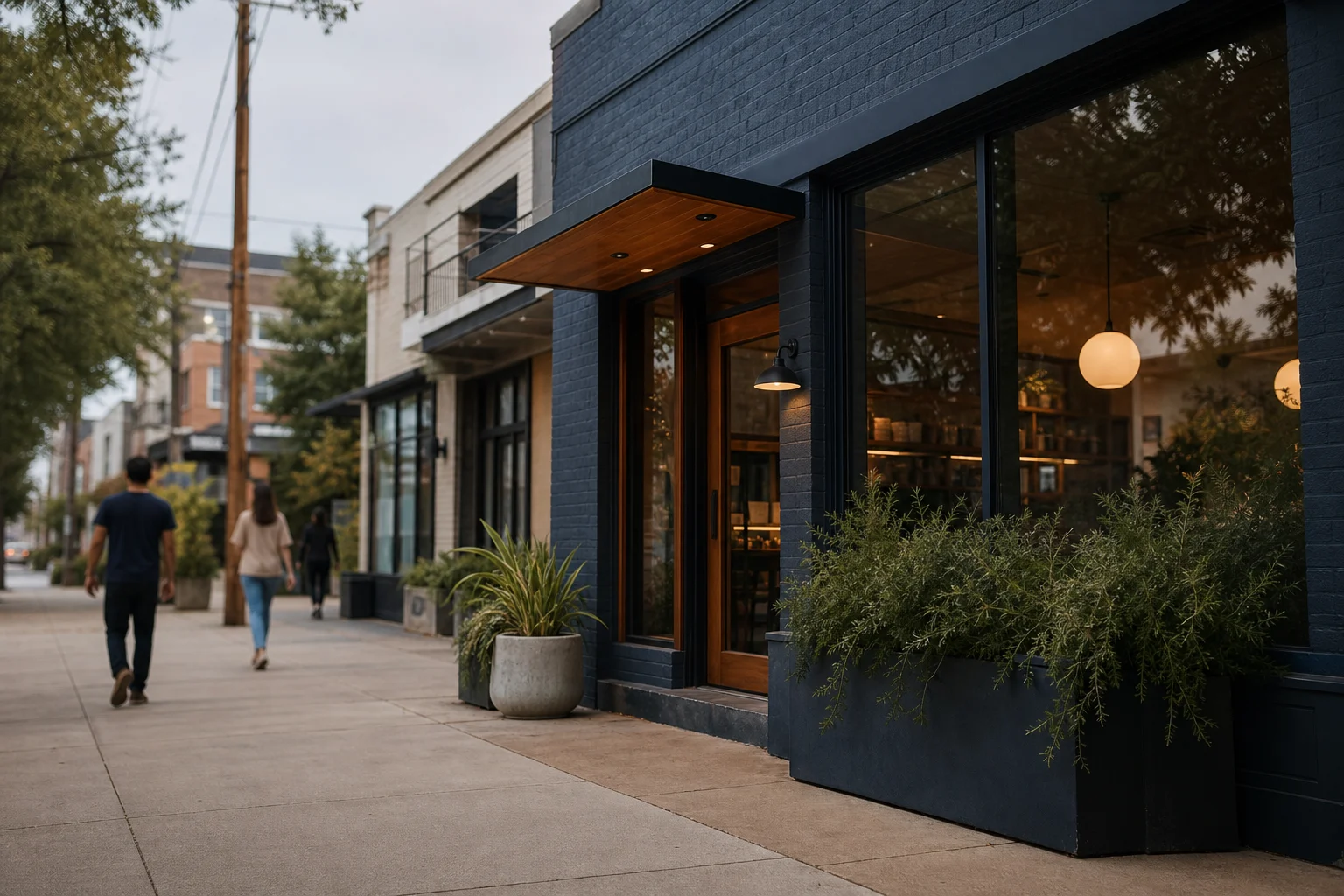
Why location fit matters for a nail salon
Location determines your customer base, visibility, and operating costs. A nail salon needs foot traffic, accessibility, and the right demographic mix. The wrong location can limit your growth potential regardless of service quality. San Jose's diverse neighborhoods offer different advantages for nail salon businesses.
Top 3 neighborhoods to consider
Based on Locavisor neighborhood scoring, three areas stand out for nail salon potential in San Jose. Each offers distinct advantages and challenges.
Santana Row / Valley Fair (6.9/10)
Santana Row / Valley Fair is San Jose's premium retail corridor — Westfield Valley Fair and Santana Row draw affluent shoppers and tech-office daytime crowds. The area scores near-ceiling on retail density, walkability, and evening activity. Market temperature is mixed with medium competition density and low rent level. Score confidence is 78% based on the 2026-05 snapshot.
This location offers high-end clientele and consistent foot traffic. The premium retail environment supports higher service pricing. The mix of office workers and shoppers creates steady demand throughout the week. However, the mixed market temperature suggests some volatility in business conditions.
Downtown San Jose (6.6/10)
Downtown San Jose offers strong daytime office density (Adobe HQ, SJSU, Diridon Station) and solid walkability. No direct nail-salon competitors were detected within the search radius — a notable gap. Rent runs roughly $45-70/sqft NNN, similar to Santana Row but with less retail polish. The student and tourist indexes are moderate, adding evening and weekend potential.
The Adobe headquarters and San Jose State University provide a steady stream of potential customers during weekdays. The lack of direct competition presents an opportunity for market entry. The student demographic may be more price-sensitive but offers consistent volume. Tourist traffic adds weekend potential, though the retail polish is less than Santana Row.
Willow Glen (6.4/10)
Willow Glen's Lincoln Ave strip is a walkable, indie-friendly village with strong residential density and a family-oriented customer base. The catch: five nail salons already cluster within a few blocks — Bamboo Nail Bar (4.8★, 457 reviews), SugarCoat Nail Bar (4.6★, 115 reviews), Vogue Nails (4.8★), Bella Donna Nail & Day Spa (4.3★), and Xenon Nails Studio (4.3★). This is a saturated corridor.
The established customer base and walkable environment are significant advantages. However, the concentration of existing nail salons creates intense competition. The family-oriented demographic may prefer services that cater to children and special occasions. Market saturation means new entrants must differentiate through service quality or specialization.
How the neighborhood scores are built
Locavisor neighborhood scoring evaluates areas based on five key factors: demand, competition, rent fit, accessibility, and customer match. Each factor contributes to an overall score from 1-10. The scoring system uses proprietary algorithms to analyze multiple data points including foot traffic, demographic profiles, and business density.
Demand measures the potential customer base and spending power in the area. Competition assesses the saturation of similar businesses. Rent fit evaluates whether commercial rents align with the business model's revenue potential. Accessibility considers transportation options and visibility. Customer match analyzes whether the area's demographics align with the target clientele.
Scores are updated regularly to reflect changing market conditions. The confidence percentage indicates the reliability of the score based on data completeness and recency. For the 2026-05 snapshot, confidence levels ranged from 75-80% across the evaluated neighborhoods.
How to validate the shortlist before signing a lease
Before committing to a location, conduct additional research beyond neighborhood scores. Visit each area at different times of day and week to observe actual foot traffic patterns. Talk to local business owners about their experiences and challenges. Research local regulations and zoning requirements that might affect your nail salon operations.
Consider the specific characteristics of your business model. A luxury nail salon might perform better in Santana Row's premium environment, while a budget-friendly option might thrive in Downtown San Jose near the university. Willow Glen's saturated market might require a specialized niche to succeed.
Evaluate practical factors like parking availability, public transportation access, and visibility from main streets. These elements can significantly impact customer convenience and walk-in traffic. Also consider future development plans that might affect the area's character and customer demographics.
Common mistakes founders make in San Jose
Many nail salon founders underestimate the importance of location research. They often focus on rent costs without considering the revenue potential of different neighborhoods. This approach can lead to choosing a location with low operating costs but insufficient customer traffic.
Another common mistake is failing to analyze existing competition thoroughly. Some areas appear less competitive on the surface but have hidden competitors or market saturation. Others overlook the importance of aligning with the area's demographic profile and customer preferences.
Founders sometimes neglect to visit neighborhoods at different times. An area that appears busy during weekdays might be deserted on weekends, or vice versa. Understanding these patterns is crucial for staffing and scheduling decisions. Additionally, many fail to consider how the location aligns with their specific business model and service offerings.

FAQ
Where is the best location for A Nail Salon in San Jose?
Based on Locavisor neighborhood scoring, Santana Row / Valley Fair ranks as the best location for a nail salon in San Jose with a score of 6.9/10. This premium retail corridor offers high foot traffic, affluent clientele, and strong evening activity. Downtown San Jose (6.6/10) and Willow Glen (6.4/10) also present viable options depending on your business model and target market.
What makes Santana Row / Valley Fair the top choice?
Santana Row / Valley Fair combines premium retail environment with consistent foot traffic from both shoppers and office workers. The area scores highly on retail density, walkability, and evening activity. While market temperature is mixed, the medium competition density and relatively low rent level make it an attractive option for nail salon businesses.
Is Downtown San Jose a good alternative to Santana Row?
Downtown San Jose offers strong daytime office density from Adobe HQ and SJSU, with no direct nail salon competitors detected in the search radius. Rent levels are similar to Santana Row but with less retail polish. The moderate student and tourist indexes add evening and weekend potential, making it a solid alternative, particularly for businesses targeting office workers and students.
How competitive is Willow Glen for nail salons?
Willow Glen's Lincoln Ave strip has significant competition with five nail salons already clustered within a few blocks: Bamboo Nail Bar (4.8★, 457 reviews), SugarCoat Nail Bar (4.6★, 115 reviews), Vogue Nails (4.8★), Bella Donna Nail & Day Spa (4.3★), and Xenon Nails Studio (4.3★). This saturation presents challenges for new entrants, though the walkable, family-oriented environment offers advantages for businesses that can differentiate themselves.
How often are these neighborhood scores updated?
The scores in this analysis are based on a 2026-05 snapshot. Locavisor neighborhood scoring is updated regularly to reflect changing market conditions. The confidence percentage (75-80% for these neighborhoods) indicates the reliability of the score based on data completeness and recency at the time of analysis.
What factors should I consider beyond neighborhood scores?
Beyond the scores, consider your specific business model, target clientele, and service offerings. Visit neighborhoods at different times to observe actual foot traffic patterns. Research local regulations and zoning requirements. Evaluate practical factors like parking availability, public transportation access, and visibility from main streets. Also consider how the location aligns with your brand positioning and pricing strategy.
Last reviewed: 2026-05-08
Sources: U.S. Census Bureau ACS, LEHD LODES, Google Places, OpenStreetMap, Locavisor neighborhood scoring.
Methodology: Locavisor scores neighborhoods across demand, competition fit, rent fit, accessibility, and customer match. Scores reflect a snapshot of recent data and should be combined with on-the-ground research before lease decisions.
Disclaimer: This article provides informational content only and does not constitute legal, financial, accounting, or real-estate advice. Verify lease terms, licensing, local regulations, costs, and professional requirements with qualified local professionals before making business decisions.
Free preview shows top 3 neighborhoods. Full $9.99 report covers all 10 areas with personalized scoring + 90-day check-ins.
Informational only. Verify lease, licensing, local regulations, costs, and professional requirements with qualified local professionals.