Seattle, WA · nail salon
Best neighborhoods for a nail salon in Seattle
Finding the best neighborhoods for a nail salon in Seattle requires careful analysis of market conditions, competition, and customer demographics. The right location can make or break your business, affecting everything from foot traffic to operating costs. This analysis examines Seattle's top neighborhoods for nail salon entrepreneurs based on Locavisor neighborhood scoring.
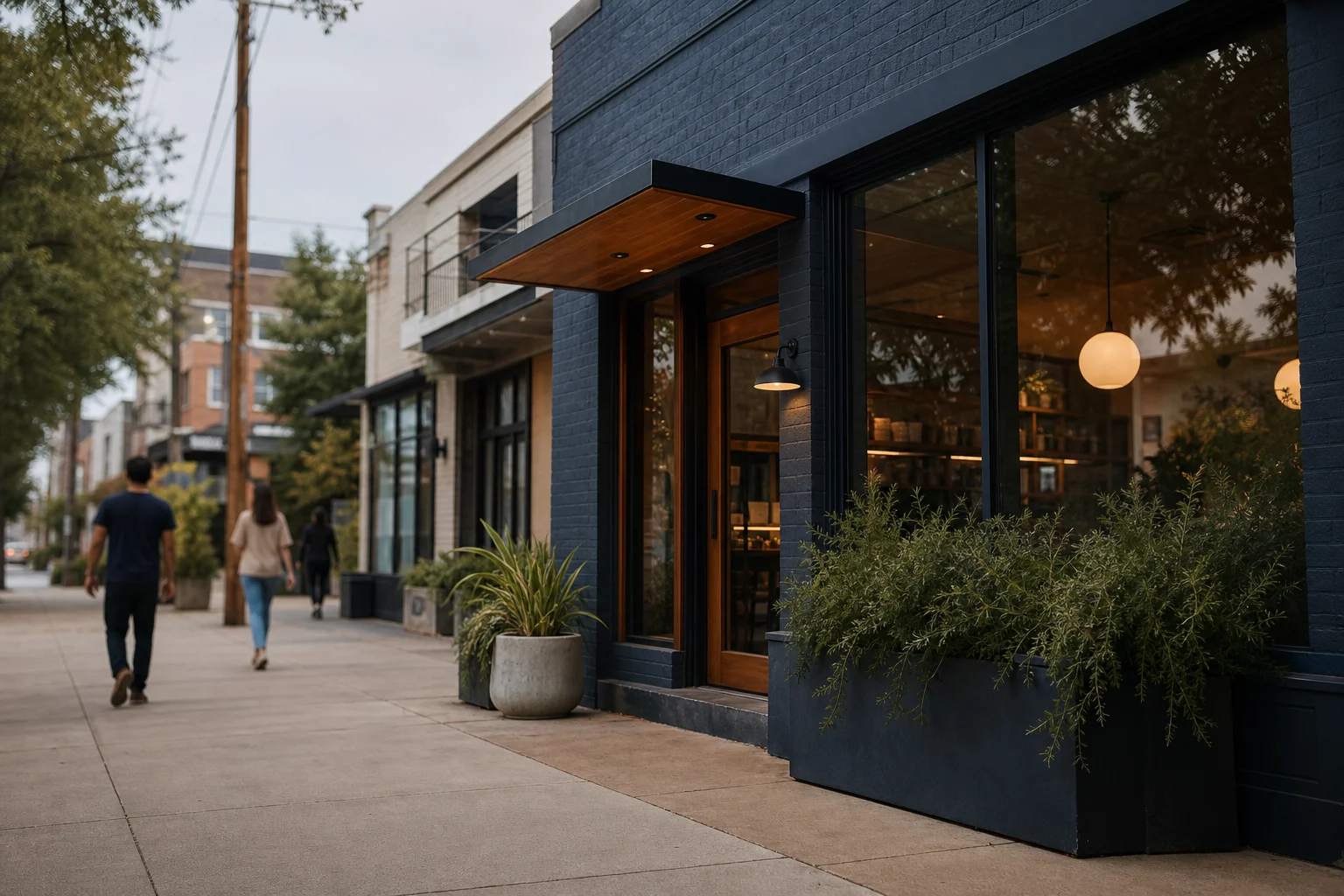
Why location fit matters for a nail salon
Location determines your customer base, visibility, and operating costs. A nail salon thrives in areas with high foot traffic, accessible parking, and the right demographic mix. Seattle's diverse neighborhoods offer vastly different opportunities. Some areas have dense residential populations with disposable income. Others attract office workers during weekdays. Tourist-heavy locations bring different customer profiles and seasonal fluctuations. The best location aligns with your business model, budget, and target clientele. Competition density affects market share potential. Rent levels impact your bottom line. Walkability influences customer convenience. Each factor contributes to your success.
Top 3 neighborhoods to consider
Based on Locavisor neighborhood scoring, three Seattle neighborhoods stand out for nail salon entrepreneurs. Each offers unique advantages and challenges.
Madrona / Leschi (6.8/10)
Madrona / Leschi leads the pack with zero direct nail-salon competitors, strong walkability, and a dense residential base of ~8,000 households within reach. Expect roughly $30-50/sqft NNN — workable for a medium-budget operator. The corridor has proven beauty-service demand (Lifted Beauty & Wellness at 4.8★, ADORN BEAUTY at 4.9★) but no dedicated nail salon, giving you a clear first-mover window. Market temperature is promising with medium competition density and low rent levels. The area's residential character ensures consistent weekday and weekend traffic. The absence of direct competitors presents a significant opportunity for market capture.
Eastlake / Cascade (6.7/10)
Eastlake / Cascade sits adjacent to South Lake Union's tech office cluster (Amazon Atlas, Fred Hutch) with strong daytime worker density — roughly 10,500 weekday lunch workers within 800m. Two existing nail salons (Tenth Avenue Nails at 4.3★ with 76 reviews, E. The neighborhood offers a mix of residential and commercial properties. The proximity to major employers ensures a steady stream of potential customers during business hours. Rent levels remain moderate, allowing for sustainable operations. The existing nail salons indicate market acceptance of the service. The challenge lies in differentiating your business from established competitors while capturing the office worker market.
Fremont (6.6/10)
Fremont is Seattle's most walkable, tourist-heavy neighborhood — the Troll, Sunday Street Market, and canal parks draw consistent foot traffic. But it's also the most competitive: 5 nail salons already operate within the area, including Urban Nail Box (4.7★, 265 reviews), Jenny Nails Salon (4.8★, 236 reviews), and Excellent Nails (4.6★, 322 reviews). Expect ~$30-50/sqft NNN. The high foot traffic from tourists and locals creates visibility but also means intense competition. The established businesses indicate strong demand but also market saturation. Success would require exceptional service, unique offerings, or strategic positioning to capture market share from existing players.
How the neighborhood scores are built
Locavisor neighborhood scoring evaluates multiple factors to determine the best areas for a nail salon. The analysis considers demand indicators, competition density, rent levels, accessibility, and customer match. Each neighborhood receives a score from 1-10, with higher scores indicating better overall fit for a nail salon business.
The data comes from a 2026-05 snapshot, capturing current market conditions. The scoring system incorporates both quantitative metrics and qualitative assessments. Confidence in the scores stands at 78%, reflecting the reliability of the analysis while acknowledging market variability.
Demand indicators include residential density, foot traffic patterns, and existing beauty service establishments. Competition density measures the number of direct competitors within the area. Rent levels assess commercial property costs relative to industry standards. Accessibility evaluates transportation options and parking availability. Customer match analyzes demographic alignment with typical nail salon patrons.
How to validate the shortlist before signing a lease
Data provides insights, but on-the-ground validation confirms neighborhood suitability. Visit each top neighborhood at different times of day and week. Observe foot traffic patterns and customer demographics. Talk to local business owners about market conditions and challenges. Research Seattle's specific zoning requirements for nail salons.
Check for upcoming developments that might affect the area. New construction could increase potential customers or drive up rents. Planned infrastructure changes might impact accessibility. Consider the neighborhood's future trajectory alongside your business timeline.
Review competitor offerings and pricing. Identify service gaps you might fill. Assess customer reviews of existing nail salons to understand strengths and weaknesses. Determine how your business might differentiate itself in the market.
Evaluate actual lease terms beyond the per-square-foot cost. Consider lease length, renewal options, and improvement allowances. Factor in additional expenses like utilities, insurance, and taxes. Calculate your break-even point based on realistic revenue projections.
Common mistakes founders make in Seattle
Many nail salon entrepreneurs underestimate Seattle's neighborhood diversity. Assuming what works in one area will work in another leads to poor decisions. Each neighborhood has distinct characteristics that require tailored approaches.
Founders often fixate on rent costs while ignoring other critical factors. A cheaper location might have insufficient foot traffic or the wrong customer demographic. Balance rent considerations with revenue potential.
Some entrepreneurs fail to research competition thoroughly. Knowing how many competitors exist isn't enough. Understanding their strengths, weaknesses, pricing, and customer base provides crucial insights.
Timing considerations are frequently overlooked. Opening during economic downturns or seasonal lulls might delay profitability. Consider market cycles when planning your launch.
Many founders neglect to account for Seattle's specific regulations. Nail salons face health and safety requirements that vary by jurisdiction. Understanding these before signing a lease prevents costly surprises.

FAQ
Where is the best location for A Nail Salon in Seattle?
Based on Locavisor neighborhood scoring, Madrona / Leschi ranks as the best location for a nail salon in Seattle with a score of 6.8/10. The neighborhood offers zero direct nail-salon competitors, strong walkability, and a dense residential base of approximately 8,000 households within reach. Rent levels are moderate at $30-50/sqft NNN, and the market temperature is promising.
How important is competition density when choosing a nail salon location?
Competition density significantly impacts market share potential. Areas with fewer direct competitors offer easier entry but might indicate lower demand. Areas with high competition suggest strong demand but require more strategic positioning to capture market share. The optimal balance depends on your business model and differentiation strategy.
What rent levels should I expect for a nail salon in Seattle?
Seattle nail salon rent levels vary by neighborhood. The top three neighborhoods (Madrona/Leschi, Eastlake/Cascade, and Fremont) all have similar rent ranges of approximately $30-50/sqft NNN. More established or high-traffic areas might command higher rents, while emerging neighborhoods might offer lower rates.
How can I assess walkability for my nail salon location?
Walkability affects customer convenience and foot traffic. Evaluate sidewalk quality, street lighting, pedestrian crossings, and nearby amenities. Consider proximity to public transportation and parking options. Seattle's walkable neighborhoods like Fremont offer advantages for customers without cars.
What customer demographics should I target for a nail salon in Seattle?
Nail salon customers typically include women aged 18-55 with disposable income. Seattle's diverse neighborhoods offer different demographic profiles. Business districts attract office workers during weekdays. Residential neighborhoods serve local residents consistently. Tourist areas bring seasonal variations in customer profiles.
How does market temperature affect my nail salon business?
Market temperature indicates overall business conditions in a neighborhood. Promising markets suggest growth potential and favorable conditions. Stable markets indicate consistent performance. Declining markets might present challenges. The top Seattle neighborhoods for nail salons all show promising or stable market temperatures.
What should I consider regarding existing beauty services in my chosen neighborhood?
Existing beauty services indicate market acceptance but also potential competition. Consider the types of services offered, pricing models, and customer reviews. Identify gaps in service offerings that your nail salon might fill. The presence of established businesses like Lifted Beauty & Wellness in Madrona/Leschi indicates strong demand for beauty services.
Last reviewed: 2026-05-08
Sources: U.S. Census Bureau ACS, LEHD LODES, Google Places, OpenStreetMap, Locavisor neighborhood scoring.
Methodology: Locavisor scores neighborhoods across demand, competition fit, rent fit, accessibility, and customer match. Scores reflect a snapshot of recent data and should be combined with on-the-ground research before lease decisions.
Disclaimer: This article provides informational content only and does not constitute legal, financial, accounting, or real-estate advice. Verify lease terms, licensing, local regulations, costs, and professional requirements with qualified local professionals before making business decisions.
Free preview shows top 3 neighborhoods. Full $9.99 report covers all 10 areas with personalized scoring + 90-day check-ins.
Informational only. Verify lease, licensing, local regulations, costs, and professional requirements with qualified local professionals.