Austin, TX · bakery
Bakery permits Austin
Opening a bakery in Austin requires navigating a complex landscape of permits and licenses. This guide breaks down the compliance requirements for bakery founders in Austin, helping you understand what you need to verify before launching your business. The Austin market shows mixed temperature with medium competition density and medium rent levels, making it an interesting environment for bakery entrepreneurs.
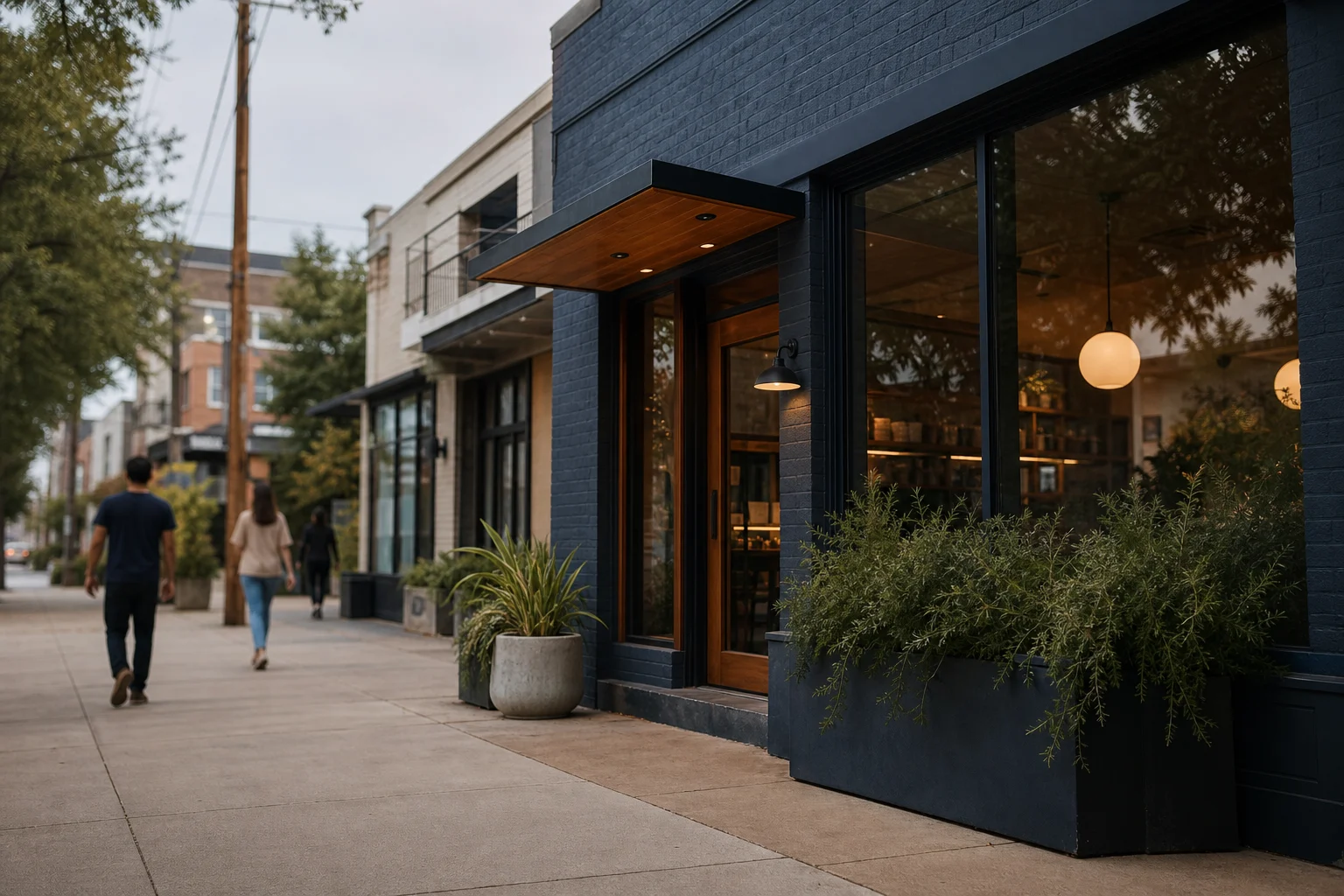
The Permit Stack to Verify
Before signing a lease or investing in equipment, bakery founders must verify a comprehensive stack of permits and licenses. This includes city, state, landlord, health, fire, signage, and tax registrations. Each category has specific requirements that vary based on your bakery format, location, and operational model. The Austin market offers several promising neighborhoods for bakery businesses, with Domain / North Austin leading with a 6.3/10 score, followed by Crestview / Brentwood and South Lamar at 5.7/10 each.
City, State, Landlord, Health, Fire, Signage, and Tax Registrations
City requirements for bakeries in Austin typically include basic business registration and zoning compliance. The city may have specific regulations regarding food preparation, storage, and sales in commercial districts. State requirements generally involve sales tax permits and food handler certifications. Landlord requirements often include modifications to the space, equipment installation, and operational hours that might affect other tenants.
Health regulations focus on food safety, sanitation, and proper handling of ingredients. Fire safety requirements address equipment installation, emergency exits, and fire suppression systems. Signage regulations control the size, placement, and illumination of business signs. Tax registrations include sales tax collection and reporting requirements. Each of these categories requires careful verification before opening your bakery doors.
Documents to Collect Before Lease Signing
Before committing to a commercial space, collect all necessary documentation to ensure compliance. This includes zoning verification confirming the property allows bakery operations, building permits for any renovations, and health department guidelines for food preparation spaces. Verify the property's existing certificates of occupancy and any restrictions that might affect your bakery operations.
For the Domain / North Austin area (6.3/10), verify the specific requirements for operating near The Domain mixed-use campus with Apple, Google, and Indeed offices nearby. The area has roughly 10,500 weekday lunch workers within 800m and only one direct bakery competitor (Bakery Lorraine Domain Northside, 4.2★, 987 reviews) within 685m. Expect roughly $30-50/sqft NNN rent.
In Crestview / Brentwood (5.7/10), confirm the regulations for operating along North Lamar and Burnet Rd with Crestview Station light-rail access. This area has no direct bakery competitors detected, strong residential density (~8,000 potential repeat households within 800m), plus a healthy daytime worker pool. Rent runs roughly $45-70/sqft NNN.
For South Lamar (5.7/10), verify the requirements for operating near Lamar Union Plaza, Alamo Drafthouse, and the dense mix of restaurants and retail. The area has one direct competitor — Phoenicia Bakery & Deli (4.7★, 605 reviews, inexpensive) — 626m away, with strong walkability and good transit access.
What Varies by Bakery Format
Different bakery formats require different permits and licenses. A retail bakery selling directly to consumers may have different requirements than a wholesale bakery supplying restaurants or cafes. A bakery with seating and table service will need additional health and safety considerations compared to a take-only operation.
Mobile bakeries face unique challenges regarding vehicle equipment, health permits for mobile food units, and location restrictions. Home-based bakeries must verify zoning laws and cottage food regulations specific to Austin. Each format affects the complexity of your compliance requirements and should be thoroughly researched before launch.
FAQ
What permits do I need for A Bakery in Austin?
Bakery permits in Austin typically include city business registration, state sales tax permits, health department approvals, fire safety certifications, and signage compliance. The specific requirements vary based on your bakery format, location, and operational model. Before opening, verify all necessary permits with local authorities and consider consulting with a professional familiar with Austin's regulations for food establishments.
How do I verify zoning for my bakery in Austin?
Check with the City of Austin planning department to confirm the property is zoned for food preparation and retail sales. Request a zoning verification letter before signing a lease, especially if planning any renovations or significant equipment installation. Different neighborhoods may have specific restrictions or requirements that affect bakery operations.
What health regulations apply to bakeries in Austin?
Health regulations focus on food safety, sanitation, proper ingredient storage, and employee hygiene requirements. The specific guidelines depend on your bakery's operations, including whether you prepare food on-site, handle potentially hazardous ingredients, or serve customers directly. Consult with health authorities to understand the specific requirements for your bakery format.
How do fire safety requirements affect bakery operations in Austin?
Fire safety requirements address equipment installation, emergency exits, fire suppression systems, and proper storage of flammable materials. Bakeries with commercial ovens and other cooking equipment may have additional requirements. Verify the existing fire safety systems in your potential space and determine if any upgrades are needed to meet regulations.
What should I consider regarding signage for my bakery in Austin?
Signage regulations control the size, placement, illumination, and content of business signs. Austin may have specific requirements for different commercial zones and historic districts. Consider how signage will affect your visibility and branding while complying with local regulations. Some areas may require special permits for certain types of signs or illumination.
How do tax registrations work for bakeries in Austin?
Tax registrations include sales tax collection and reporting requirements. Bakeries must register with the state to collect sales tax on retail sales. The specific requirements depend on your business structure and sales volume. Consult with tax authorities to understand your obligations regarding sales tax collection, reporting, and remittance.
What landlord requirements should I verify before opening a bakery?
Landlord requirements often include modifications to the space, equipment installation, operational hours, and waste management. Review your lease agreement carefully for any restrictions that might affect bakery operations. Verify the property's existing certificates of occupancy and any limitations on food preparation or retail sales.
How do neighborhood-specific factors affect bakery permits in Austin?
Different neighborhoods in Austin may have specific regulations or requirements that affect bakery operations. Areas with high foot traffic or tourist activity may have additional considerations. Research the specific characteristics of your chosen location, including competition density, market temperature, and rent levels, to understand how they might impact your compliance requirements.
What professional advice should I seek for bakery permits in Austin?
Consider consulting with professionals familiar with Austin's regulations for food establishments, including attorneys, accountants, and industry consultants. These professionals can help navigate the complex permit landscape and ensure compliance with all applicable regulations. Their expertise can save time and prevent costly mistakes during the startup process.
How often do bakery permits need to be renewed in Austin?
Permit renewal requirements vary depending on the type of permit and local regulations. Some permits may need annual renewal, while others may be valid for multiple years. Keep track of renewal deadlines and allow sufficient time for the renewal process to avoid disruptions to your business operations.
Last reviewed: 2026-05-08
Sources: U.S. Census Bureau ACS, LEHD LODES, Google Places, OpenStreetMap, Locavisor neighborhood scoring.
Methodology: Locavisor scores neighborhoods across demand, competition fit, rent fit, accessibility, and customer match. Scores reflect a snapshot of recent data and should be combined with on-the-ground research before lease decisions.
Disclaimer: This article provides informational content only and does not constitute legal, financial, accounting, or real-estate advice. Verify lease terms, licensing, local regulations, costs, and professional requirements with qualified local professionals before making business decisions.
Free preview shows top 3 neighborhoods. Full $9.99 report covers all 10 areas with personalized scoring + 90-day check-ins.
Informational only. Verify lease, licensing, local regulations, costs, and professional requirements with qualified local professionals.