Boston, MA · bakery
Bakery permits Boston
Opening a bakery in Boston requires navigating a complex web of permits and licenses. The city's regulatory environment demands thorough preparation and attention to detail. Founders must verify compliance requirements across multiple jurisdictions before launching their business.
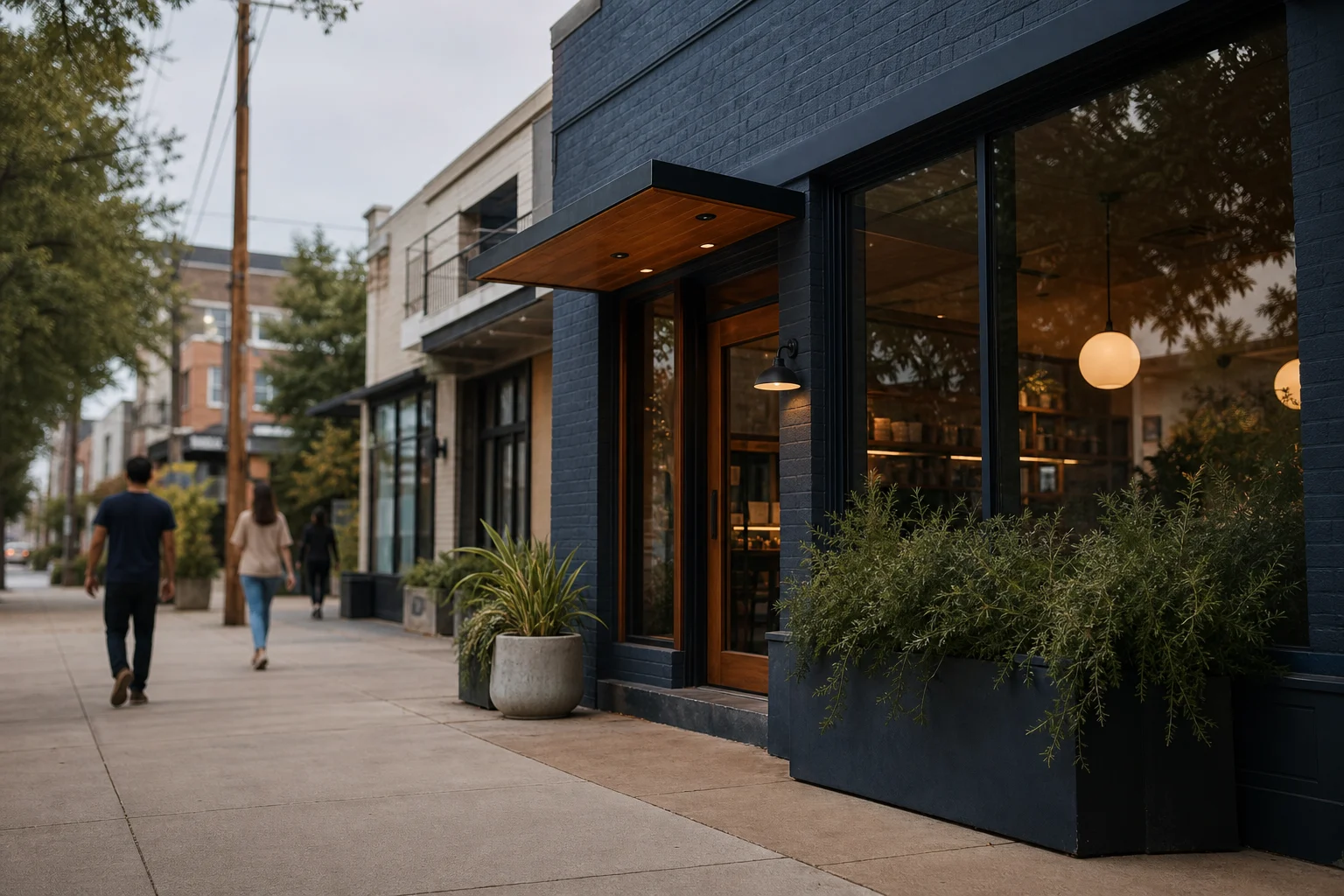
The Permit Stack to Verify
Boston's bakery ecosystem presents both opportunities and challenges. Quincy Center / North Quincy emerges as the top-ranked area with a strong competitionFit and rentFit score — the best value proposition in the set. Hancock St corridor has strong morning and lunch daypart signals, anchored by North Quincy Plaza and the Red Line. Paris Baguette (4.1★, 154 reviews) and Panera Bread (3.9★, 976 reviews) are nearby but both score moderate on quality; there's room for a higher-quality independent bakery.
Assembly Row (Somerville) offers a high-energy mixed-use environment with maxed-out walkability, daytime population density, and retail anchor density. The Assembly Row mall, Orange Line station, and dense apartment towers create strong foot traffic. However, rent proxy is in the premium band ($65-95/sqft NNN) — a serious stretch for a medium-budget bakery.
East Boston presents a dense, walkable neighborhood along the Blue Line with strong residential density and a growing waterfront. Lolly's Bakery (4.5★, 573 reviews) serves as the established local player — inexpensive, well-loved, and closed Sundays. Portillo's Bakery (5★, 1 review) remains unproven in the area. Rent proxy sits in the premium band ($65-95/sqft NNN), driven by waterfront gentrification.
City, State, Landlord, Health, Fire, Signage, and Tax Registrations
Boston requires multiple registrations across different levels of government. City-level compliance covers basic business operations within municipal boundaries. State-level requirements extend beyond city limits to cover broader regulatory frameworks. Landlord permissions address property-specific regulations that may supplement municipal requirements.
Health regulations ensure food safety standards are maintained throughout operations. Fire safety compliance protects both customers and staff from potential hazards. Signage permits govern visual elements that impact public spaces. Tax registrations establish the legal framework for financial obligations to various government entities.
Professional review of these requirements is essential before proceeding with any business plans. Missing even one component can delay opening or result in costly penalties. Founders should create a comprehensive checklist tracking each requirement's status.
Documents to Collect Before Lease Signing
Thorough documentation prevents surprises during the permitting process. Property records verify legal ownership and zoning classifications. Floor plans demonstrate how the space will meet operational requirements. Utility bills establish existing service connections that may need modification.
Lease agreements should explicitly address permitted uses and restrictions. Insurance documentation proves coverage for potential liabilities. Financial statements demonstrate the business's ability to meet ongoing obligations. Business plans outline operational details that inform regulatory requirements.
Each document serves multiple purposes in the verification process. Missing paperwork creates unnecessary delays in the approval timeline. Founders should maintain organized files accessible to all relevant parties.
What Varies by Bakery Format
Different bakery formats face distinct regulatory requirements. Retail bakeries serving the general public must meet customer-facing standards. Wholesale bakeries distributing to other businesses have different operational constraints. Home-based bakeries operate under special provisions that limit scale and distribution.
Product specialization also influences compliance needs. Bakeries handling potentially allergenic ingredients require additional precautions. Those serving specialized dietary communities must meet specific labeling requirements. Seasonal operations may have temporary permitting options with different requirements.
Market research helps identify format-specific opportunities and challenges. Quincy Center / North Quincy's established players suggest room for quality differentiation. Assembly Row's premium rent levels may necessitate higher price points. East Boston's residential density supports neighborhood-focused service models.
FAQ
What permits do I need for A Bakery in Boston?
Boston bakery operations require verification across multiple regulatory categories. City-level compliance covers basic business registration and operational standards. State requirements include broader regulatory frameworks that apply statewide. Landlord permissions address property-specific restrictions that may supplement municipal requirements.
Health regulations ensure food safety standards are maintained throughout operations. Fire safety compliance protects both customers and staff from potential hazards. Signage permits govern visual elements that impact public spaces. Tax registrations establish the legal framework for financial obligations to various government entities.
The specific requirements depend on your bakery's format, location, and operational scope. Professional consultation is recommended to ensure comprehensive compliance before launching your business. Each jurisdiction maintains its own application processes and approval timelines.
Last reviewed: 2026-05-08
Sources: U.S. Census Bureau ACS, LEHD LODES, Google Places, OpenStreetMap, Locavisor neighborhood scoring.
Methodology: Locavisor scores neighborhoods across demand, competition fit, rent fit, accessibility, and customer match. Scores reflect a snapshot of recent data and should be combined with on-the-ground research before lease decisions.
Disclaimer: This article provides informational content only and does not constitute legal, financial, accounting, or real-estate advice. Verify lease terms, licensing, local regulations, costs, and professional requirements with qualified local professionals before making business decisions.
Free preview shows top 3 neighborhoods. Full $9.99 report covers all 10 areas with personalized scoring + 90-day check-ins.
Informational only. Verify lease, licensing, local regulations, costs, and professional requirements with qualified local professionals.