Charlotte, NC · bakery
Bakery permits Charlotte
Opening a bakery in Charlotte requires navigating a complex landscape of permits and licenses. Understanding the bakery permits Charlotte requires is essential for any founder looking to establish a successful baking business in this vibrant city. The right permits ensure compliance with local regulations while protecting your investment and reputation.
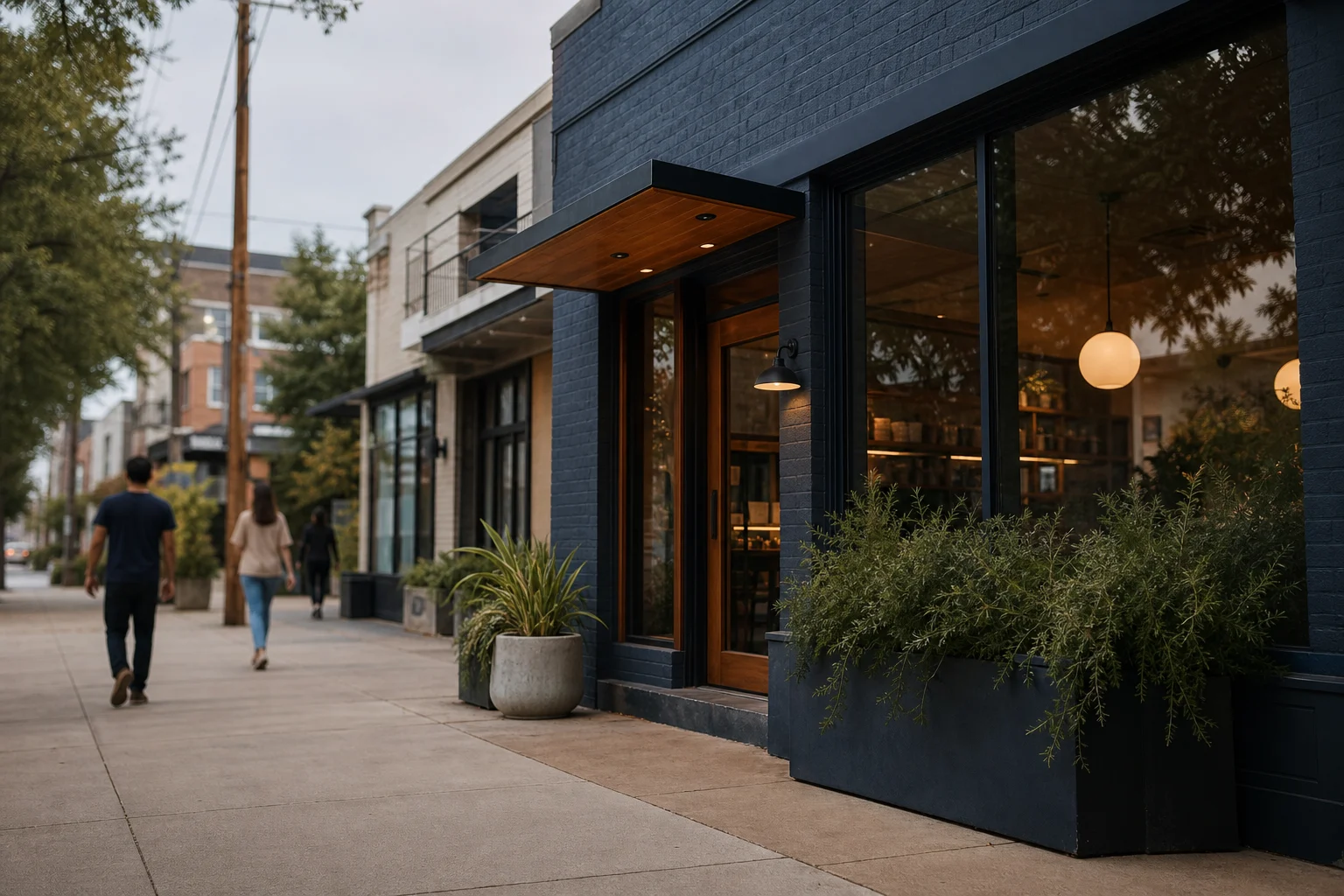
The permit stack to verify
Before opening your bakery doors, you'll need to verify several categories of permits and registrations. The permit stack for a Charlotte bakery includes city, state, landlord, health, fire, signage, and tax requirements. Each category serves a specific purpose in ensuring your bakery operates legally and safely. Missing any component of this stack can lead to delays, fines, or even the inability to open your business.
Charlotte's market temperature is mixed, with medium competition density and medium-high rent levels. The city offers several promising locations for bakery businesses, each with its own advantages and challenges. Understanding both the permit requirements and the local market conditions will help you make informed decisions about where to establish your bakery.
City, state, landlord, health, fire, signage, and tax registrations
City-level registrations form the foundation of your bakery's legal presence in Charlotte. These registrations typically include basic business licensing and zoning compliance verification. Charlotte's zoning regulations will determine where you can operate a bakery and what specific requirements apply to your location. Before signing any lease, verify that your intended location is properly zoned for bakery operations.
State-level requirements extend beyond city regulations and may include additional business registrations and tax obligations. North Carolina has specific requirements for food establishments that you'll need to address. These state-level requirements often build upon the city foundation, creating a comprehensive regulatory framework for your bakery operations.
Landlord approvals represent another critical component of your permit stack. Before signing a lease, ensure you understand all requirements imposed by your property owner or management company. Some landlords may have additional restrictions or requirements beyond city and state regulations. These might include specific operating hours, signage limitations, or maintenance responsibilities.
Health requirements focus on food safety and sanitation standards. Charlotte's health regulations will govern how you prepare, store, and serve food products. These requirements typically address facility design, equipment specifications, and operational procedures to ensure food safety. Compliance with health regulations is non-negotiable for any food establishment.
Fire safety regulations ensure your bakery meets minimum safety standards for fire prevention and emergency response. These requirements often address building materials, exit routes, fire suppression systems, and operational procedures. Fire safety compliance protects both your employees and customers while minimizing potential liability.
Signage regulations control the appearance, size, and placement of business signs. Charlotte has specific rules about what types of signs are permitted and where they can be installed. These regulations aim to maintain visual consistency across neighborhoods while allowing businesses to identify themselves appropriately.
Tax registrations include both federal and state tax obligations. These registrations typically cover sales tax collection and reporting requirements. Proper tax compliance ensures you can legally sell products and remit the appropriate taxes to government authorities.
Documents to collect before lease signing
Before committing to a commercial space, gather all necessary documentation to verify compliance requirements. This documentation includes zoning verification, building permits, and health department guidelines specific to your location. Having these documents in hand before signing a lease can prevent costly surprises and delays later in the process.
Review the property's existing certificates of occupancy and inspection reports. These documents provide valuable information about the building's compliance with current regulations. If the property has housed a food establishment previously, review any existing health department approvals and inspection history.
Understand the utility requirements for your specific bakery operations. Commercial baking equipment often has significant electrical, gas, and ventilation requirements. Verify that the property can accommodate these needs without costly modifications. Utility capacity issues can be expensive to address after lease signing.
What varies by bakery format
The specific permits required may vary depending on your bakery's format and business model. A retail bakery selling directly to consumers will have different requirements than a wholesale bakery supplying other businesses. Understanding these variations helps you prepare the appropriate documentation and meet specific regulatory requirements.
Production-focused bakeries may have additional health and safety requirements due to larger-scale operations. These requirements often address equipment specifications, storage facilities, and employee safety protocols. Wholesale bakeries may need additional documentation for distribution and transportation of food products.
Retail bakeries with seating areas will face additional requirements related to customer accommodations. These requirements may include restroom facilities, accessibility features, and additional seating capacity regulations. Understanding these requirements helps you plan your space appropriately and avoid compliance issues.
Mobile bakeries have their own unique set of requirements, including vehicle specifications and mobile vendor permits. These requirements address both the vehicle's condition and the operational procedures for food preparation in a mobile setting. Mobile operations also face additional considerations regarding location restrictions and parking requirements.
FAQ
What permits do I need for A Bakery in Charlotte?
The permits required for a bakery in Charlotte typically include city business licenses, state food establishment registrations, health department approvals, fire safety certifications, and tax registrations. The specific requirements may vary based on your bakery's format, size, and location. Before opening, verify all requirements with the appropriate authorities.
How long does it take to obtain bakery permits in Charlotte?
The time required to obtain permits varies depending on the specific requirements and the completeness of your application. Some permits may be issued quickly, while others may require inspections and additional documentation. Plan ahead and apply for permits well before your intended opening date to avoid delays.
Can I operate a bakery from home in Charlotte?
Home-based bakeries face specific regulations in Charlotte. These regulations typically address food preparation standards, customer traffic, and business registration requirements. Before operating a home bakery, verify local zoning laws and specific requirements for home-based food businesses.
What are the best areas for a bakery in Charlotte?
Based on Locavisor neighborhood scoring, the top three areas for a bakery in Charlotte are:
Camp North End (6.7/10) — Camp North End is Charlotte's most walkable creative-district play — a repurposed industrial campus with coworking spaces, event venues, and a built-in audience of office workers and weekend visitors. No direct bakery competitor on-site (Cara's Cookie Company is 27m away but is a cookie specialist, not a full bakery). Expect roughly $30-50/sqft NNN.
Park Road / Madison Park (6.6/10) — Park Road / Madison Park is a dense office corridor anchored by Park Road Shopping Center and surrounded by mid-century residential. The office index is city-leading — expect roughly 10,500 weekday workers within walking distance. Rent runs roughly $45-70/sqft NNN. The catch: Harris Teeter Bakery sits 479m away, and the corridor is car-dependent with weak transit.
Optimist Park / Belmont (6.5/10) — Optimist Park / Belmont is Charlotte's hottest gentrification corridor, anchored by Optimist Hall food hall and the Parkwood light rail station. Office density is maxed out, daytime population is strong, and you're a 6-minute drive from Uptown.
How do I verify zoning requirements for my bakery?
Before signing a lease, verify the property's zoning classification and any specific requirements for food establishments. Charlotte's zoning regulations determine where you can operate a bakery and what restrictions may apply. Contact the Charlotte-Mecklenburg Planning Department for specific zoning information about your intended location.
What health requirements apply to bakeries in Charlotte?
Health requirements for bakeries focus on food safety, sanitation, and proper food handling procedures. These requirements typically address facility design, equipment specifications, employee hygiene, and operational procedures. Contact the Mecklenburg County Health Department for specific health requirements applicable to your bakery.
Do I need special equipment for my bakery to meet fire safety requirements?
Fire safety requirements may dictate specific equipment and building features, such as fire suppression systems, proper ventilation, and exit routes. The specific requirements depend on your bakery's size, layout, and equipment. Consult with fire safety professionals to ensure your bakery meets all applicable requirements.
What tax registrations do I need for my bakery?
Tax registrations typically include sales tax collection permits and employer identification numbers if you plan to hire employees. You may also need specific registrations for food-related taxes. Consult with a tax professional to ensure you meet all applicable tax requirements for your bakery.
How often do bakery permits need to be renewed?
Permit renewal requirements vary depending on the specific permit and regulatory authority. Some permits may need annual renewal, while others may be valid for multiple years. Keep track of renewal dates and submit renewal applications well before expiration to avoid lapses in coverage.
What professional services should I consult when opening a bakery?
When opening a bakery, consider consulting with professionals including attorneys for legal compliance, accountants for tax planning, and industry consultants for operational guidance. These professionals can help you navigate the complex regulatory environment and position your bakery for success.
Last reviewed: 2026-05-08
Sources: U.S. Census Bureau ACS, LEHD LODES, Google Places, OpenStreetMap, Locavisor neighborhood scoring.
Methodology: Locavisor scores neighborhoods across demand, competition fit, rent fit, accessibility, and customer match. Scores reflect a snapshot of recent data and should be combined with on-the-ground research before lease decisions.
Disclaimer: This article provides informational content only and does not constitute legal, financial, accounting, or real-estate advice. Verify lease terms, licensing, local regulations, costs, and professional requirements with qualified local professionals before making business decisions.
Free preview shows top 3 neighborhoods. Full $9.99 report covers all 10 areas with personalized scoring + 90-day check-ins.
Informational only. Verify lease, licensing, local regulations, costs, and professional requirements with qualified local professionals.