Dallas, TX · bakery
Bakery permits Dallas
Opening a bakery in Dallas requires navigating a web of permits and licenses to ensure compliance with local, state, and federal regulations. For small-business founders, understanding these requirements upfront can prevent costly delays, fines, or even closure. This guide breaks down the essential permits, timelines, and common pitfalls to help you plan your bakery's launch in Dallas, Texas.
Why permits matter before you sign a lease
Permits are not just bureaucratic hurdles-they protect your business, customers, and community. Skipping or delaying permit applications can lead to:
- Lease violations: Landlords may terminate agreements if you operate without proper approvals.
- Fines and shutdowns: The city of Dallas can impose penalties for unpermitted operations.
- Customer trust issues: Health code violations or fire safety risks can damage your reputation.
Neighborhoods like Addison (score 7.7/10, rent band $25-$85/sqft/yr NNN) and Plano Legacy West / The Shops at Legacy (score 7.3/10, rent band $55/sqft/yr NNN) have high foot traffic but also stricter zoning and inspection standards. Researching these areas early ensures your chosen location aligns with regulatory requirements.
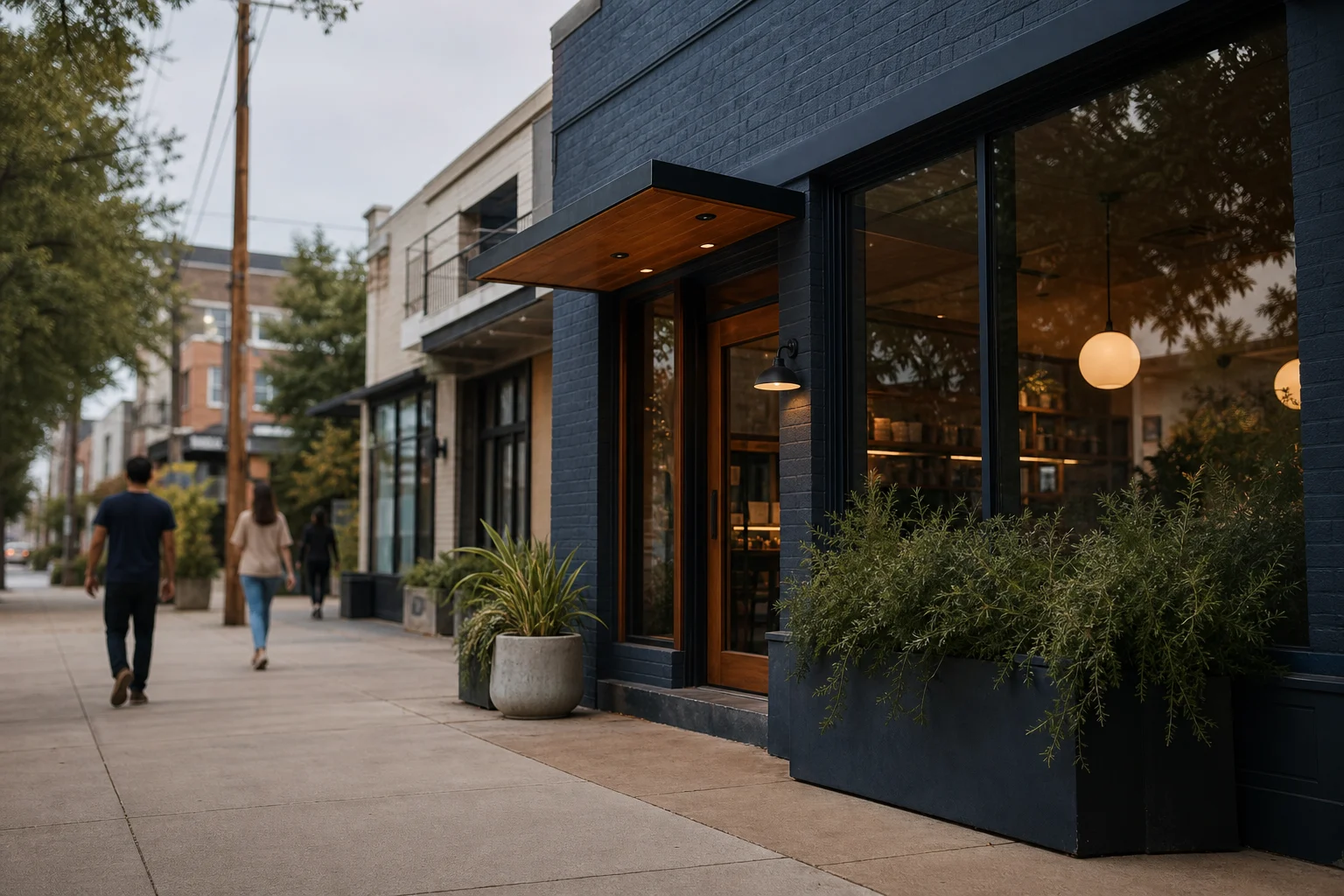
Required permits and licenses for a bakery in Dallas
Dallas bakeries typically need a mix of city, state, and federal permits. Below are the core categories:
City of Dallas Permits
- Business license: A general operating permit from the city.
- Health permit: Issued by the Dallas County Health and Human Services Department, covering food safety, sanitation, and equipment standards.
- Signage permit: For exterior signs, subject to size and visibility rules.
- Zoning permit: Confirms your location is zoned for commercial food service.
State of Texas Permits
- Sales tax permit: Required to collect and remit sales tax.
- Food establishment permit: From the Texas Department of State Health Services, ensuring compliance with state health codes.
Federal Permits (if applicable)
- IRS EIN: For tax purposes.
- FDA registration: If you handle interstate commerce or specific food products.
Always verify requirements with the issuing agencies-rules can change, and local ordinances may add layers (e.g., specific waste disposal rules in Las Colinas (Irving), score 7.3/10, rent band $25-$85/sqft/yr NNN).
Realistic timeline from application to opening
Permit timelines vary, but expect a variable local timeline for most approvals:
- Application submission: Gather documents (floor plans, health department checklists, zoning confirmation).
- Initial review: City or state agencies assess completeness (a variable local timeline).
- Inspections: Health, fire, and building departments conduct on-site checks (a variable local timeline).
- Approval and corrections: Address any violations (e.g., equipment spacing, handwashing stations) and resubmit.
Factor in extra time for corrections-delays here can push back your opening by months.
Common reasons applications get rejected in Dallas
Rejections often stem from avoidable mistakes:
- Incomplete paperwork: Missing floor plans, health department forms, or zoning letters.
- Failed inspections: Non-compliant equipment (e.g., improper refrigeration), poor sanitation, or blocked exits.
- Zoning conflicts: Operating in a residential area or a zone that prohibits food service.
For example, Bishop Arts District (score 6.6/10, rent band $25-$85/sqft/yr NNN) has historic buildings with strict fire code requirements-ensure your layout meets these before applying.
How to budget for permits and inspections
Permit costs vary, but budget for:
- Correction costs: Repairs or equipment upgrades if inspections fail.
Rent bands also impact budgeting. Addison's $25-$85/sqft/yr NNN range means higher rent may leave less for permits, while Plano Legacy West's fixed $55/sqft/yr NNN simplifies cost forecasting. Prioritize permits early to avoid scrambling for funds later.
Quick reference - which neighborhoods minimize permit friction
Dallas' top bakery neighborhoods balance foot traffic, competition, and regulatory clarity. Below is a comparison of the top 5 areas:
| Neighborhood | Score | Rent Band (NNN) | Key Anchors | Competition Density |
|---|
Las Colinas (Irving) has high competition (e.g., Universal Bakery, The Irving Bakery) but strong transit and mall anchors. Bishop Arts District offers dense foot traffic but requires navigating historic district regulations. Choose based on your target customer and tolerance for regulatory complexity.
| Neighborhood | Locavisor score | Rent band | Local operator signal | Founder validation check |
|---|---|---|---|---|
| Addison | 7.7/10 | $25-$85/sqft/yr NNN | No direct operator listed | Confirm zoning, landlord approvals, inspections, and license timing. |
| Plano Legacy West / The Shops at Legacy | 7.3/10 | $55/sqft/yr NNN | No direct operator listed | Confirm zoning, landlord approvals, inspections, and license timing. |
| Las Colinas (Irving) | 7.3/10 | $25-$85/sqft/yr NNN | Universal Bakery, The Irving Bakery | Confirm zoning, landlord approvals, inspections, and license timing. |
| Bishop Arts District | 6.6/10 | $25-$85/sqft/yr NNN | Potpourri Boulangerie, JOY Macarons | Confirm zoning, landlord approvals, inspections, and license timing. |
| Trinity Groves | 6.6/10 | $25-$85/sqft/yr NNN | Del Norte Bakery #2, Reveles Mexican Bakery | Confirm zoning, landlord approvals, inspections, and license timing. |
FAQ
What permits do I need to open a bakery in Dallas?
You'll need a city business license, health permit (Dallas County), signage permit, zoning permit, state sales tax permit, and a Texas food establishment permit. Federal permits (EIN, FDA registration) may apply for interstate sales.
How long does the permit process take?
Expect a variable local timeline, depending on application completeness and inspection results. Factor in a variable local timeline for corrections if issues arise.
Can I operate from a home kitchen?
Dallas allows home-based bakeries (cottage food operations) but with restrictions: no perishable foods (e.g., cream-filled pastries) and limited sales (e.g., farmers markets, online). A commercial kitchen is required for full-scale bakeries.
What if my application is rejected?
Address the violation (e.g., fix equipment, update paperwork) and resubmit. Most agencies allow re-inspections within 30 days. Consult a local business advisor or attorney for guidance.
Do I need a fire permit?
Yes, if your bakery has cooking equipment (ovens, fryers) or storage of flammable materials. The Dallas Fire-Rescue Department conducts inspections to ensure compliance with fire codes.
This guide provides a framework, but always verify details with the city of Dallas, Dallas County Health Department, and Texas Department of State Health Services. Proper planning and attention to permits will set your bakery up for success in Dallas' competitive market.
Last reviewed: 2026-05-30
Sources: U.S. Census Bureau ACS, LEHD LODES, Google Places, OpenStreetMap, Locavisor neighborhood scoring.
Methodology: Locavisor scores neighborhoods across demand, competition fit, rent fit, accessibility, and customer match. Scores reflect a snapshot of recent data and should be combined with on-the-ground research before lease decisions.
Disclaimer: This article provides informational content only and does not constitute legal, financial, accounting, or real-estate advice. Verify lease terms, licensing, local regulations, costs, and professional requirements with qualified local professionals before making business decisions.
Free preview shows top 3 neighborhoods. Full $9.99 report covers all 10 areas with personalized scoring + 90-day check-ins.
Informational only. Verify lease, licensing, local regulations, costs, and professional requirements with qualified local professionals.